Bathroom Exhaust Fan Installation in Massachusetts
Properly sized, properly vented, code-compliant exhaust fan installation. Quieter operation, faster moisture removal, mold prevention, and full MA code compliance — done right the first time.
The bathroom exhaust fan is the single most ignored fixture in any house — until it fails, the bathroom develops mold, paint peels above the shower, or moisture damages drywall behind walls. A properly installed exhaust fan removes the moisture, odors, and humidity created every time the shower runs — protecting your finishes, your structure, and your indoor air quality for the next 15-20 years.
At JM All-Pro Services, exhaust fan installation is a specialty service. We do the math (CFM sizing), pick the right fan for your bathroom dimensions, run the duct work properly to the exterior of the home, and handle the electrical connection. Most installs finish in a single day with same-day quotes available.
⚠ Why a Bad Exhaust Fan Costs You More Than Just Comfort
Massachusetts bathrooms without proper ventilation — or with undersized fans, or with fans venting into the attic — develop predictable problems within 2-5 years. Most homeowners don’t realize the fan is the cause until repair costs add up:
Mold Behind Walls
Trapped moisture grows mold inside wall cavities. Often discovered only during demolition or after health issues.
Peeling Paint
Moisture lifts paint above showers and along ceilings. Repainting won’t fix it without addressing the ventilation.
Warped Wood Trim
Door frames, baseboards, and crown molding swell and warp from constant humidity exposure.
Attic Damage
Fans venting into attics (illegal in MA) saturate insulation, rot rafters, and create $5K-$15K repair issues.
Foggy Mirrors
Symptom of bigger issue. Fans not moving enough air mean moisture stays in the room long after shower.
Failed Caulk & Grout
Continual humidity breaks down caulking and grout faster — requiring more frequent maintenance.
Sizing Your Exhaust Fan: CFM Calculations
The first decision in any exhaust fan install isn’t brand or style — it’s CFM (Cubic Feet per Minute). This is the airflow rate the fan moves. Undersizing is the most common mistake; oversizing wastes energy. Here’s the proper sizing table for Massachusetts bathrooms:
📊 Exhaust Fan CFM Sizing Chart
Based on HVI 2100 & Massachusetts Code| Bathroom Size | Recommended CFM | Use Case |
|---|---|---|
| Under 50 sq ft Powder rooms, half baths | 50 CFM Min | No shower — toilet odors only |
| 50 – 100 sq ft Most standard baths | 1 CFM per sq ft Standard | Shower or tub, single user |
| 100 – 150 sq ft Larger family baths | 110 – 150 CFM Recommended | Shower + tub combination |
| Over 150 sq ft Primary / luxury baths | Per Fixture Calc Custom | Multi-fixture, steam shower, etc. |
Sone Ratings: How Quiet Is Quiet?
The second spec that matters — and the one most homeowners care about most after living with a loud fan — is the sone rating. This measures how loud the fan is during operation. Lower is quieter. Here’s what the ratings mean in practice:
Whisper-Quiet (Premium)
Barely audible. Most expensive fans (Panasonic WhisperQuiet, etc.). You almost can’t tell it’s on.
Very Quiet (Recommended)
Library-level quiet. Most modern quality fans fall here. The sweet spot for value + quietness.
Audible but Acceptable
You hear it but it’s not annoying. Standard for mid-tier fans. Works fine in secondary bathrooms.
Loud (Old Builder-Grade)
Most older bathrooms have these. Loud enough to drown out conversation. Time for upgrade.
Bathroom Exhaust Fan Types We Install
Fan technology has changed dramatically in the last decade. Today’s fans do more than just move air — they integrate lighting, heating, humidity sensors, and Bluetooth. Here are the options we install most:
Standard Ceiling Exhaust Fan
BasicFan-only ceiling unit. Single switch operation. Cheapest option. Works for most basic bathrooms where lighting and heat are handled separately.
Fan + Light Combo
PopularCombines exhaust fan with LED ceiling light. Two switches (fan + light operate independently). Most common upgrade — saves cost vs separate fixtures.
Fan + Light + Heater
ComfortThree-in-one unit with infrared heater for cold MA mornings. Requires dedicated electrical circuit due to heater amp draw. Game-changer in winter.
Humidity-Sensing Fan
SmartAuto-detects humidity and turns on/off without user input. Runs after showers until air dries. Best for kids’ bathrooms or guest baths where people forget to use it.
Wall-Mount Through-Wall Fan
SpecialtyUsed when ceiling venting isn’t possible (1st floor bathrooms, no attic access). Vents directly through exterior wall. Slightly shorter ducting = better performance.
Inline / Remote Fan
QuietestMotor located in attic (not ceiling), with quiet intake grille in bathroom. Quietest option because motor isn’t above your head. Premium installations.
Bluetooth Fan with Speaker
ModernBuilt-in Bluetooth speaker for music streaming. Trending feature in primary bathroom upgrades. Pairs with phone for podcasts/music while showering.
Energy Star Certified
RecommendedEnergy Star certified fans use less power and meet stricter quality standards. May qualify for utility rebates in some MA towns. Always worth specifying.
Where the Fan Vents — The Most-Missed Detail
💨 The Air Has to Go Somewhere
The single most common code violation we find on old fan installs in Massachusetts is improper venting. The fan moves air — but that air has to be discharged outside the home, not into another part of the house. Massachusetts code is specific:
Roof Cap Termination
Duct runs through attic to a sealed roof cap. Insulated duct prevents condensation. Most common for 2-story homes.
Soffit Vent Cap
Duct vents through the soffit overhang. Acceptable but must use proper exhaust soffit vent (not intake).
Exterior Wall Cap
Duct runs directly through exterior wall to a sealed wall cap. Best for 1st floor bathrooms with no attic above.
Gable End Vent
Duct exits through gable end of attic. Used when roof venting isn’t practical. Must have damper to prevent backflow.
Vented Into Attic
MA code violation. Saturates insulation, rots rafters, creates mold. Most common mistake on old installs.
Vented Into Crawl Space
Same issues as attic venting — moisture trapped, structural damage over time. Not allowed under MA code.
Vented Into Garage
Creates moisture issues in garage, can cause CO/odor backdraft into home. Strictly prohibited.
No Damper Installed
Even with proper exterior vent, missing back-draft damper lets cold winter air into the bathroom. Required by code.
Modern Smart Fan Features Worth Considering
Modern exhaust fans aren’t just on/off switches anymore. These features genuinely improve daily use and prevent moisture problems:
Timer Switch
Runs fan for 15/30/60 min after toggle. Stops user from leaving fan running all day.
▸ RecommendedHumidity Sensor
Auto-detects shower humidity, turns fan on/off without user input. Prevents mold.
▸ SmartIntegrated Heater
1300-1500W heating element for cold winter mornings. Requires dedicated 20A circuit.
▸ ComfortIntegrated LED Light
Combo unit with main bathroom light. Saves wall switches and ceiling penetrations.
▸ PopularNight Light Option
Built-in low-output night light. Useful for guest bathrooms or kids’ rooms.
▸ OptionalVariable Speed
Low/high settings or step-less speed control. Quieter operation when full CFM not needed.
▸ PremiumBluetooth Speaker
Built-in speaker pairs with phone. Trending feature in primary bathroom remodels.
▸ LuxuryEnergy Star Rated
Lower power consumption, may qualify for MA utility rebates. Always worth specifying.
▸ EfficientOur Exhaust Fan Installation Process
Most installs finish in a single day. Here’s the phased approach we follow on every fan project:
Assessment & Sizing
Measure bathroom square footage and fixture count. Recommend CFM rating and feature set. Discuss existing electrical and duct routing options before quoting.
Old Fan Removal
Power shut off at breaker. Old fan unit dismounted from ceiling/wall. Existing wiring and duct connection inspected for issues.
Opening Resize (if needed)
If new fan housing is a different size than old, ceiling opening is resized cleanly. Drywall patched as needed for clean fit.
Duct Inspection & Run
Existing duct path verified to exterior (not attic). If duct is missing, undersized, or damaged, we run new insulated 4″ or 6″ duct to exterior cap.
Fan Mount & Wiring
New fan housing secured to joist or framing. Electrical connections made — fan, light, heater, switches. GFCI-protected if required. All connections per MA code.
Damper Verification
Back-draft damper installed and verified to operate. Prevents cold air infiltration and pest entry through exterior cap.
Testing & Tissue Test
Power restored, fan tested at all speeds. We perform a “tissue test” — single ply tissue should stick to the grille when fan runs. Confirms full suction at the bathroom-side.
Cleanup & Walkthrough
Drywall touched up if needed, jobsite vacuumed, walkthrough with you to confirm operation. Original fan box and manual provided for your records.
⚠ Common Problems We Find on Existing Fans
When called to replace an older exhaust fan, these are the recurring issues we find — many are dangerous, all are inefficient:
✕ Venting Into Attic
The most common code violation. Old fans often vent into the attic — saturating insulation and rotting roof framing.
✕ Disconnected Duct
Duct came off the fan or the exterior cap years ago. Fan now just blows into the wall cavity or ceiling space.
✕ Crushed or Kinked Duct
Flex duct compressed in attic insulation, kinked over a joist, or pinched between framing. Reduces airflow by 50-80%.
✕ Wrong-Size Fan
30 CFM fan in a 100 sq ft primary bath. Way too small to move the air, moisture stays in the room.
✕ Missing Damper
Cold winter air flows backward through the fan into the bathroom. Pests enter through unscreened exterior caps.
✕ Clogged with Lint & Dust
15+ years of dust caked on the fan blades. Reduces CFM to nearly zero. Sounds louder but moves less air.
✕ Damaged Exterior Cap
Squirrels, woodpeckers, or weather damage to the roof or wall cap. Birds nest inside the duct.
✕ Improper Electrical
Fan wired into lighting circuit without proper switch. Sometimes wired without GFCI protection in newer code zones.
Massachusetts Code Requirements for Bathroom Ventilation
Massachusetts plumbing and building codes have specific requirements for bathroom ventilation. We confirm compliance on every install:
Mechanical Ventilation Required
If bathroom doesn’t have an operable window, mechanical ventilation is required.
Minimum 50 CFM Continuous
Or 20 CFM continuous + intermittent (humidity-sensing) fans count as equivalent.
Discharge to Exterior
Fan must discharge to the outside of the building — not into attic, crawl space, soffit, or garage.
Back-Draft Damper
Required to prevent cold air infiltration and pest entry through ductwork.
Insulated Duct in Unconditioned Spaces
Duct running through attics or unconditioned areas must be insulated to prevent condensation.
GFCI Protection
Fan motors located in wet areas (over showers/tubs) require GFCI-protected circuits.
UL-Listed Equipment
All fan units must be UL-listed for bathroom/wet location use, especially over tubs and showers.
Duct Sizing
Duct diameter must match fan output — typically 4″ for fans under 100 CFM, 6″ for higher CFM units.
Why Choose JM All-Pro for Exhaust Fan Installation
▸ CFM SIZING DONE RIGHT
We calculate proper CFM based on square footage and fixtures. No undersized fans.
▸ CODE-COMPLIANT VENTING
Every fan vents to exterior — never into attic, soffit, or crawl space.
▸ MA LICENSED & INSURED
Construction Supervisor License #121166 and HIC #214808 — both active in MA.
▸ SUPPLY OR YOU SUPPLY
Buy your fan from Home Depot, Wayfair, or wherever. We install at labor rate without markup.
▸ SAME-DAY ASSESSMENTS
Quick photo-and-text quote process. Written estimate within 24-48 hours.
▸ DUCT WORK INCLUDED
Old duct disconnected, missing, or kinked? We re-run insulated duct as part of the project.
▸ TESTED BEFORE WE LEAVE
Tissue test confirms airflow. All electrical functions verified. No “trust me, it works” handoffs.
▸ CLEAN INSTALL
Drywall patched if needed, debris vacuumed, original packaging removed. Tidy worksite.
Service Areas in Massachusetts
📍 Where We Install Bathroom Exhaust Fans
Based in Clinton, MA. Bathroom exhaust fan installations across Worcester County, Middlesex County, and MetroWest:
Related Bathroom Services
Bathroom Exhaust Fan FAQs
What CFM exhaust fan do I need for my bathroom?
Rule of thumb: 1 CFM per square foot of bathroom area, with a 50 CFM minimum. A 50 sq ft bathroom needs at least 50 CFM. A 90 sq ft bathroom needs 90-100 CFM. Larger primary bathrooms use the per-fixture method: add 50 CFM for each fixture (toilet, shower, tub, bidet) and total them.
How do I know my fan is too small?
The “tissue test” — single-ply tissue should stick to the grille when the fan runs. If it doesn’t stick or falls off quickly, the fan isn’t moving enough air. Also: bathroom mirrors stay foggy for more than 10 minutes after showering, or paint peels above the shower.
Can my fan really be vented into the attic?
No — this is a Massachusetts code violation. Bathroom exhaust must terminate to the exterior of the home. Venting into attics, crawl spaces, soffits (using non-exhaust grilles), or garages is illegal and causes mold, rot, and indoor air quality issues. When we replace older fans, we always check and correct this.
How long does fan installation take?
A like-for-like replacement (same size opening, existing duct in good shape) takes 1-3 hours. Installs requiring duct re-routing, opening resizing, or new electrical can take a full day. We give you an accurate time window during the estimate.
Do I need a permit for an exhaust fan replacement in MA?
Generally no for like-for-like replacements. New duct runs through finished spaces, new electrical circuits, or fan additions in previously unvented bathrooms may require permits. We’ll let you know during the estimate.
What’s the difference between sones and decibels?
Sones is the industry rating for fan noise, decibels for general sound. Sones is what matters for fan shopping. Lower = quieter. Anything under 1.0 sone is “library quiet,” 1.5-2.0 is “audible but acceptable,” 3.0+ is “loud old fan.” Most modern quality fans are 0.5-1.5 sones.
Should I add a humidity sensor to my fan?
Highly recommended if your bathroom doesn’t have great ventilation habits — guest baths, kids’ baths, primary bathrooms where people forget to turn the fan on. Humidity sensors automatically run the fan when shower steam is detected and shut off when humidity drops. Best prevention against mold and peeling paint.
Can you install a fan + heater combo?
Yes. These three-in-one units (fan + light + heater) are popular for cold MA mornings. They require a dedicated 20-amp circuit because of the heater’s amp draw (1300-1500W heaters). We coordinate the electrical work as needed.
Do you handle the duct work too, or just the fan?
Both. We inspect existing ductwork, re-run it if it’s damaged, missing, or improperly terminated, and install proper exterior caps with back-draft dampers. The duct is what makes the fan actually work — we treat it as part of the install.
How do I get started?
Call (508) 925-0396 or text us photos of your current fan (or where one needs to go) plus your bathroom dimensions. We respond with a written estimate within 24-48 hours and schedule the install at your convenience.
Ready for a Properly Installed Exhaust Fan?
Schedule a free estimate. We’ll size your bathroom, inspect existing ductwork, recommend the right fan for your needs, and quote you in writing — usually within 24-48 hours.
Recent Projects
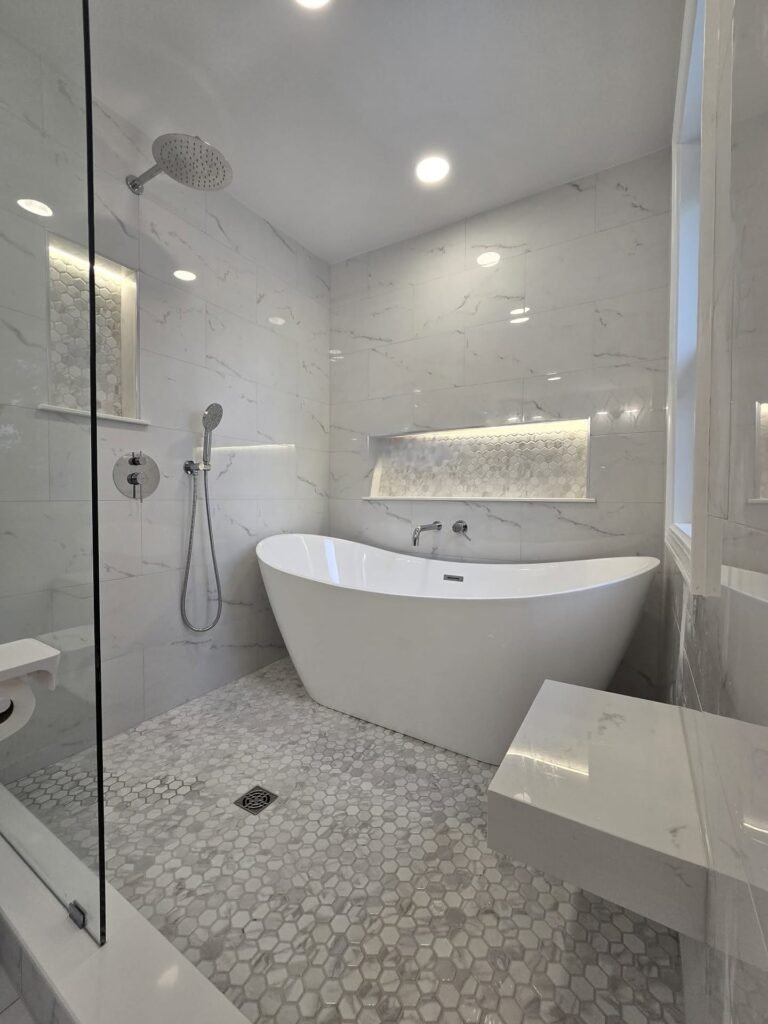
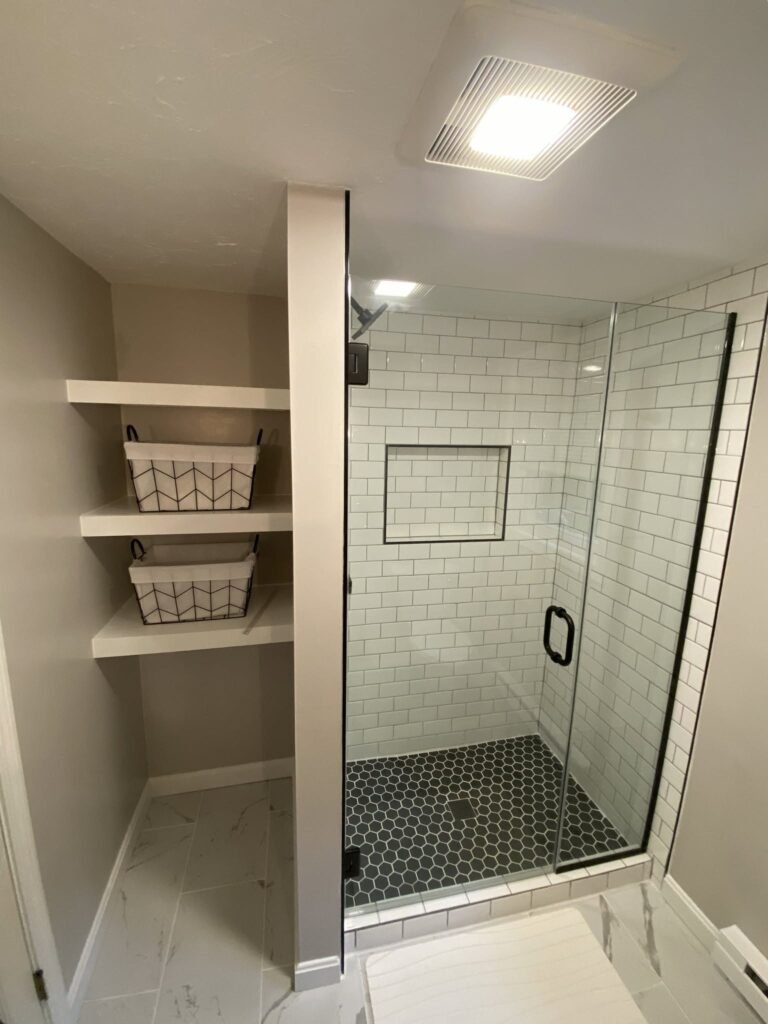
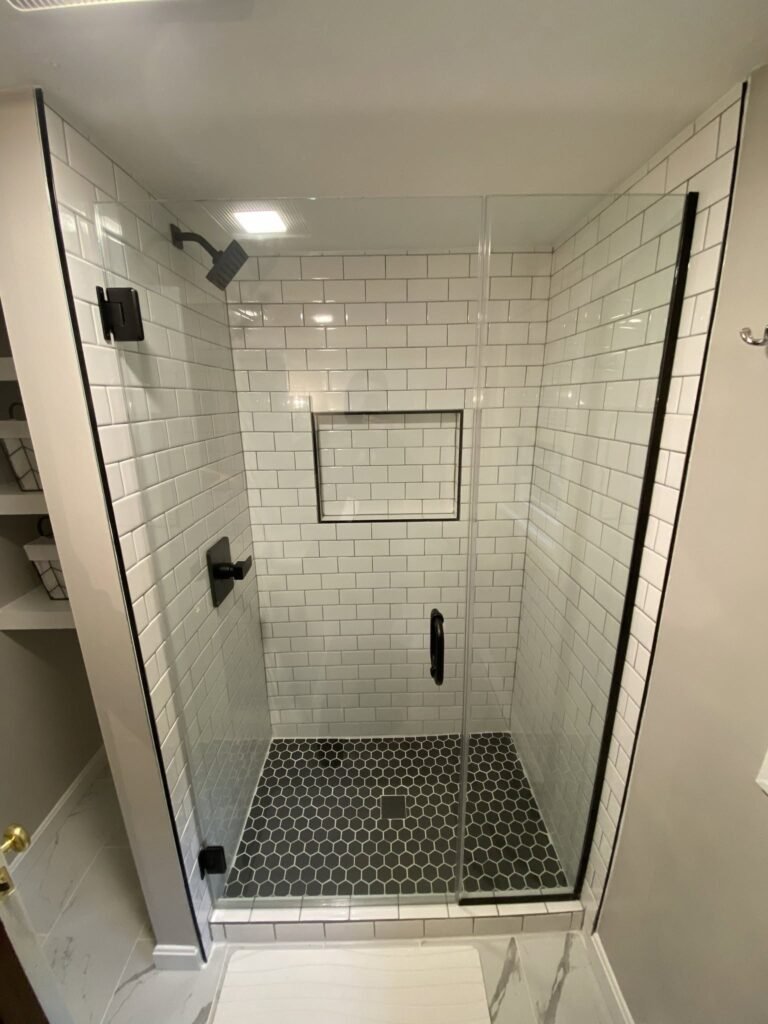
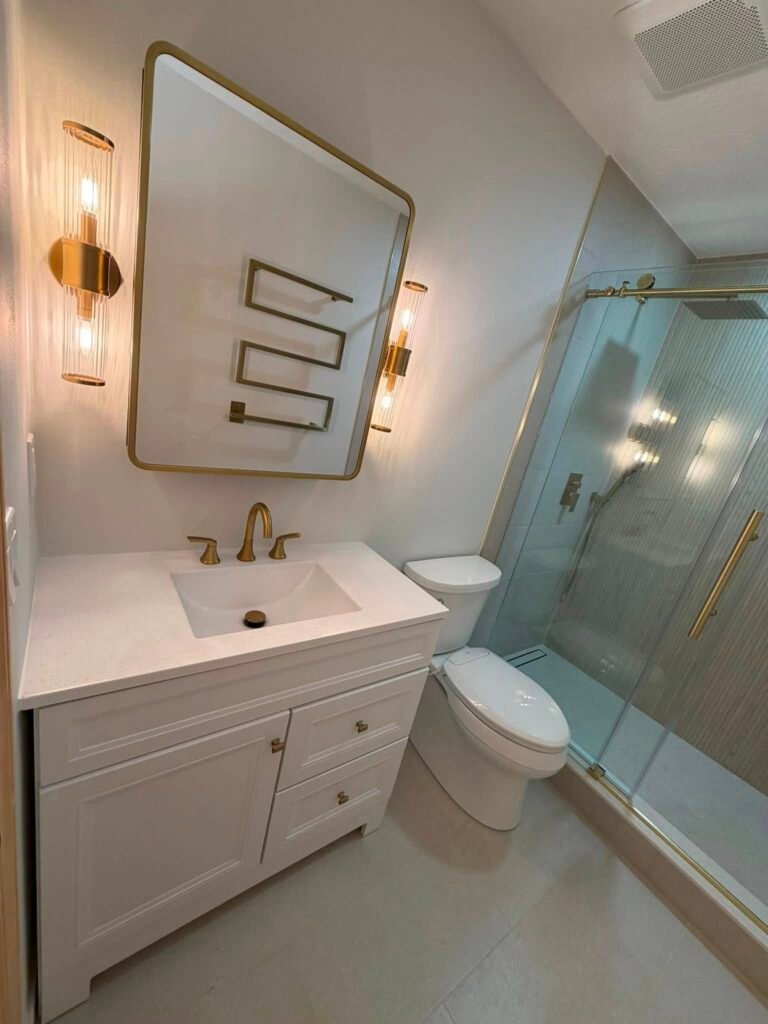
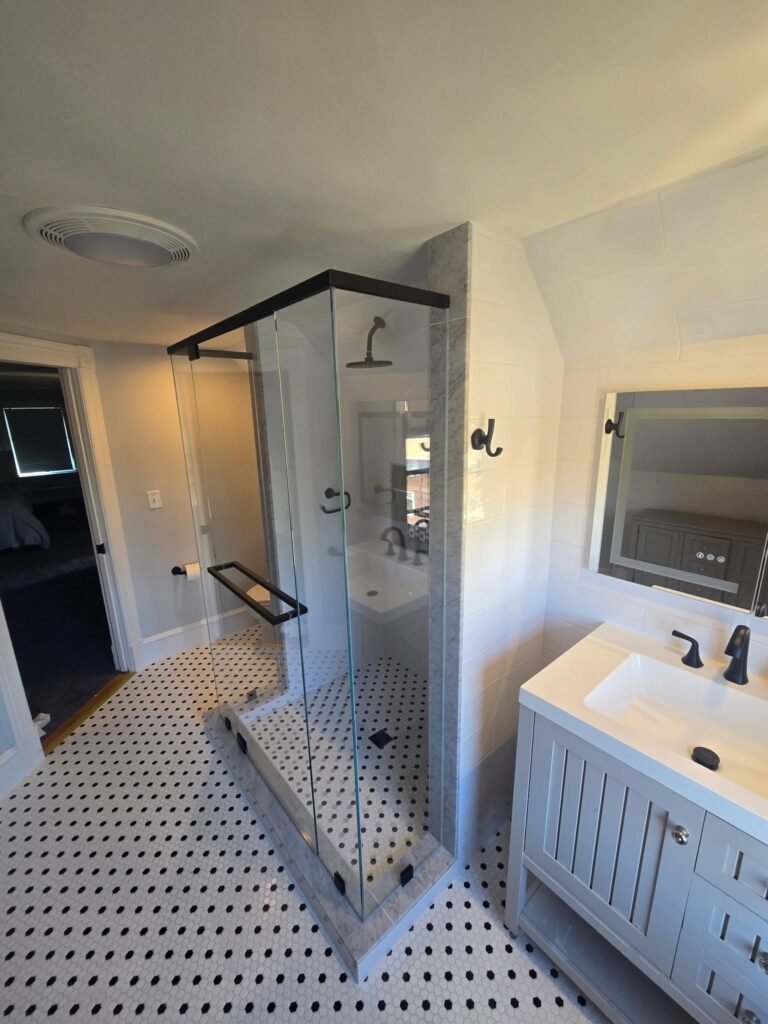
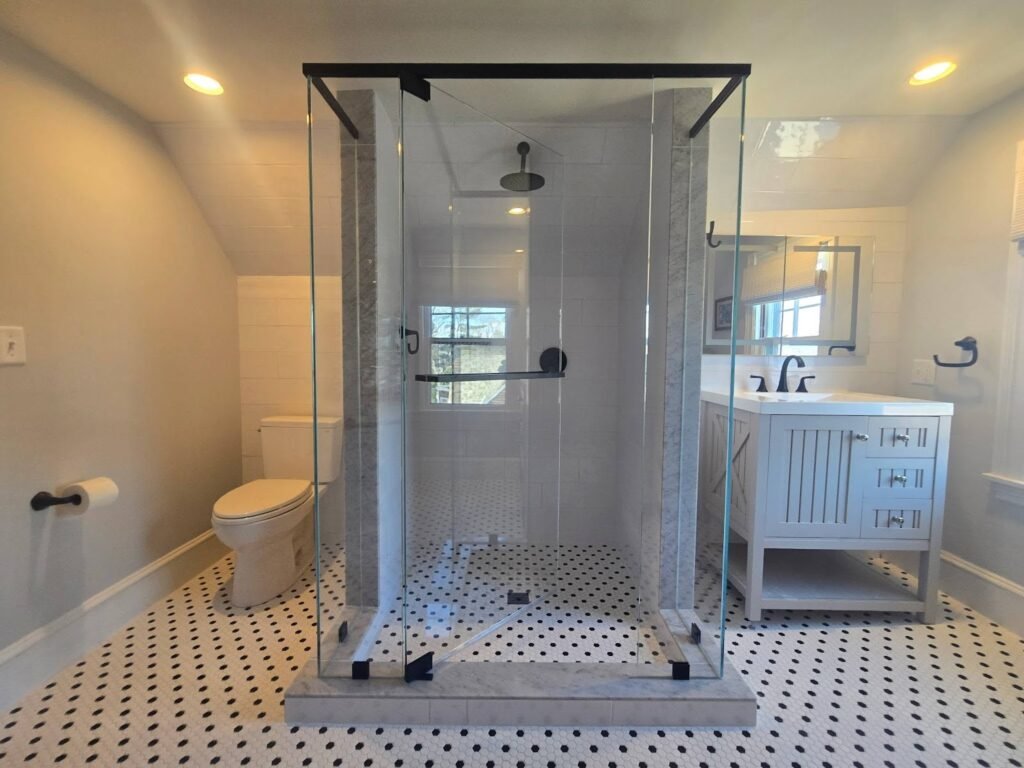
A few real bathroom remodeling projects completed by our team across Worcester County & Central MA. View our full project gallery →
Explore More
Related Services
Cost Guides
Areas We Serve
Free estimate: (508) 925-0396