Small Bathroom Remodeling in Massachusetts
Half baths, powder rooms, 5×7 and 5×8 bathrooms. Whether your bathroom feels cramped or just looks dated, we know how to remodel small Massachusetts bathrooms so every square inch works harder.
Small bathroom remodeling is its own specialty. The same fixtures, the same trades, and the same finishes that go into a large primary bathroom have to fit into 30 to 50 square feet — and a few inches in the wrong place can decide whether you bump into the toilet every morning or move through the space without thinking about it.
At JM All-Pro Services, we approach small bathrooms differently than large ones. We plan around clearance zones, traffic flow, fixture footprints, storage placement, and visual tricks that make compact rooms feel bigger. The goal isn’t to cram a luxury bathroom into a tiny footprint — it’s to design a small bathroom that genuinely works for the people using it every day.
01 Common Small Bathroom Sizes in Massachusetts Homes
Most older homes in Worcester County, MetroWest, and Middlesex County were built before “large primary suite” was a thing. Here are the small bathroom sizes we see most often in Massachusetts:
02 Layout Options That Actually Work in Small Bathrooms
The single most important decision in a small bathroom remodel isn’t tile or paint — it’s the layout. Done right, a 5×8 bathroom can feel surprisingly open. Done wrong, even a 7×9 can feel claustrophobic. Here are the layouts we use most often:
Straight-Through (One-Wall)
All three fixtures (toilet, sink, shower or tub) line up along a single wall. Keeps all plumbing in one place — cheapest option when remodeling.
- Best for: 5×7 and 5×8 bathrooms
- Saves plumbing cost
- Leaves a clear walking path
L-Shape (Two-Wall)
Toilet and sink on one wall, shower or tub on the perpendicular wall. Opens up sight lines and feels less cramped at the door.
- Best for: square-ish small bathrooms
- Improves visual flow
- Slightly more plumbing relocation
Corner Shower Configuration
Tucks the shower into a corner, freeing up the center of the room. The remaining wall holds toilet and a vanity in line.
- Best for: narrow bathrooms
- Returns floor space to the user
- Works with neo-angle or quadrant showers
Wet Room (No Curb)
The entire bathroom is waterproofed and the shower has no enclosure or curb. Maximum open feel but requires premium waterproofing.
- Best for: small primary baths
- Most modern look
- Higher waterproofing cost
03 Space-Saving Tricks That Actually Matter
These are the design moves that make the biggest difference in a small Massachusetts bathroom — things you can’t really do in a large bathroom because they’re not necessary, but in a 35 sq ft space they change everything:
Floor-to-Ceiling Mirror
A large mirror — bigger than the vanity below it — visually doubles the size of the room and reflects light into every corner.
Frameless Glass Shower
Replaces a curtain or framed enclosure. Lets the eye travel through the whole room instead of stopping at a wall of fabric or metal.
Recessed Wall Niches
Storage built INTO the wall instead of on top of it. Shampoo, soap, and toiletries don’t eat into your already-tight space.
Vertical Tile Patterns
Tile installed vertically draws the eye up, making the ceiling feel higher and the room feel taller than it actually is.
Pocket or Barn Doors
Replaces a swinging door that takes up valuable floor space. Especially helpful when the swing collides with a vanity or toilet.
Layered Lighting
Ceiling + vanity + accent lighting. Eliminates dark corners that make small bathrooms feel like a closet.
Continuous Tile Across Zones
Same tile on the floor and into the shower removes visual breaks. The room reads as ONE space instead of multiple zones.
Light, Cohesive Color Palette
Light walls + light tile + light ceiling = the room feels open. Dark colors can work in spots, but a small bath shouldn’t be dark overall.
04 Compact Fixtures That Fit Small Bathrooms
Standard-size fixtures often don’t fit small bathrooms — or they fit, but eat up all the breathing room. Here are the smaller-format fixtures we specify often for tight spaces:
Wall-Mounted Toilet
~9″ extra floor spaceTank hidden in the wall. Visually opens up the floor and makes the room feel bigger.
Pedestal or Wall Sink
No bulky cabinetGreat for powder rooms and half baths where storage isn’t the priority. Maximum visual openness.
Floating Vanity
Wall-hung, no legsShows more of the floor underneath, which tricks the eye into thinking the bathroom is larger.
Corner Shower Pan
36″x36″ or 36″x42″Neo-angle or quadrant shapes that fit a corner without taking the whole wall.
Compact Soaking Tub
48″ or 54″ lengthShorter than a standard 60″ tub but deeper, so you still get a real bath without sacrificing layout.
Sliding Glass Door
No swing radiusReplaces a hinged shower door that needs clearance to open. Saves real floor space.
05 Common Mistakes We Help Homeowners Avoid
⚠️ Don’t Make These Small Bathroom Mistakes
After remodeling many small Massachusetts bathrooms, these are the mistakes we see homeowners make most often — and the ones we help you avoid:
Oversized Vanity
A 48″ vanity might fit, but a 30″ vanity with deeper drawers stores the same amount and gives you 18″ more room. Always size the vanity to the bathroom, not the showroom.
Inward-Swinging Door
If the door swings into the bathroom and collides with the vanity or toilet, switch to an outward swing, pocket door, or barn door.
Tile Too Small or Too Busy
Tiny mosaic tile on every surface adds visual chaos. Larger format tile (12×24 or larger) means fewer grout lines and a calmer, bigger feeling.
Too Many Materials
Three different tile patterns + two finishes + busy wallpaper = chaos. Pick two surfaces max and let them do the work.
Skipping Ventilation Upgrade
Small bathrooms steam up fast. If you’re not upgrading the exhaust fan, mold and peeling paint will haunt the new finish.
Ignoring Clearance Codes
Massachusetts code requires minimum clearance around the toilet (15″ each side from center, 21″ in front). DIY layouts often miss this.
06 Small Bathroom Remodel Cost in Massachusetts
Small bathroom remodels often cost more per square foot than large ones. The reason: every linear foot of plumbing, every tile cut, every fixture install happens in tight working conditions, and the same trades have to come out regardless of room size. Here’s how we typically break down the scope:
Light Refreshtier 1
- New paint & accessories
- New mirror & lighting fixture
- New faucet & toilet seat
- Same layout, same tile
Partial Remodeltier 2
- New vanity & toilet
- New shower/tub surround
- New flooring
- Same overall layout
Full Small Bath Remodeltier 3
- Gut to studs
- New tile, fixtures, plumbing
- Possible layout adjustment
- Upgraded ventilation
Layout Reconfigurationtier 4
- Moving plumbing locations
- New layout (corner shower, etc.)
- Premium tile & fixtures
- Highest cost tier
Why Small Massachusetts Bathrooms Are Different
Many homes in Worcester County and MetroWest were built between 1900 and 1970, when bathrooms were treated as utility spaces rather than design features. That means older plumbing, smaller stud bays, lower ceiling heights, knob-and-tube wiring near wet areas, and tile installed without modern waterproofing. When we remodel a small bathroom in an older Massachusetts home, we look at what’s behind the walls before we plan what goes on them.
07 Our Small Bathroom Remodeling Process
Small bathroom projects move faster than large ones — typically 2 to 4 weeks of active work. Here’s how we structure them:
In-Home Visit & Measurements
We measure every dimension, check existing plumbing locations, inspect ventilation, and look at the wall and subfloor condition.
Layout & Material Decisions
We discuss layout options (keep current or change it), fixture sizes, tile choices, and which space-saving tricks make sense for your bathroom.
Written Estimate
You get a clear written quote with the full scope, materials, labor, and timeline — before any work begins.
Demo & Rough-In
Old tile, fixtures, and finishes come out. Plumbing and electrical adjustments happen now. Any hidden issues (rotted subfloor, old wiring) get addressed.
Tile, Fixtures & Finish
Waterproofing, tile, vanity, toilet, fixtures, lighting, mirror, trim, paint, and final walkthrough. The fun phase where the new bathroom comes together.
08 Why Homeowners Choose Us for Small Bathrooms
Small bathroom remodels require precision. Tight working conditions, fixture sizes that have to be measured to the eighth-inch, and tile cuts that have to be exact because every cut shows in a small space. Here’s what we bring:
09 Service Areas for Small Bathroom Projects
📍 Where We Remodel Small Bathrooms
Based in Clinton, MA. We take on small bathroom remodels across Central Massachusetts and MetroWest:
10 Related Bathroom & Interior Services
Looking for a different type of bathroom or remodeling project? Explore our related services:
11 Small Bathroom Remodeling FAQs
How long does a small bathroom remodel take in Massachusetts?
Most small bathroom remodels take between 2 and 4 weeks of active work. A simple refresh (paint, vanity, fixtures) can finish in a week or less. A full gut down to the studs typically runs 3 to 4 weeks because of demolition, waterproofing, tile setting time, and inspections.
Can I make my small bathroom feel bigger without expanding it?
Yes — and this is most of what we do. A floor-to-ceiling mirror, frameless glass shower, light color palette, continuous tile from floor into shower, vertical tile patterns, and a floating vanity all visually expand a small bathroom without changing the actual square footage.
Is it worth moving plumbing in a small bathroom?
Sometimes. Moving the toilet or shower can dramatically improve flow and feel — but it adds significant cost because of plumbing rough-in, drain relocation, and likely floor work. We help homeowners weigh whether the layout change is worth the budget impact during the estimate.
What’s the smallest bathroom you’ll remodel?
We remodel powder rooms as small as 3×5 (15 sq ft). Below that the space usually can’t fit a code-compliant toilet and sink, but if you have something unusual, send us photos and dimensions and we’ll let you know.
Should I get a tub or skip it in a small bathroom?
Depends on the house and who lives there. Resale value usually requires at least one tub in the home — but if you already have one elsewhere, replacing a tub with a walk-in shower in your small bathroom often makes it feel dramatically bigger and easier to use daily.
Do small bathroom remodels require a permit in Massachusetts?
Plumbing changes, electrical work, and any structural alterations typically require permits. Cosmetic-only updates often don’t. We assess every project and pull the permits when needed.
Can I use my bathroom during the remodel?
Not the one being remodeled. If it’s your only bathroom, we coordinate the schedule to minimize total downtime — usually 3 to 7 days where the toilet is unusable. Most homeowners with one bathroom plan ahead with family or a nearby option for that short period.
Do you handle the tile work yourself?
Yes. Tile work in a small bathroom shows every imperfection, so we handle it directly rather than subcontracting to outside tile crews. This keeps the quality consistent with the rest of the project.
What if there’s water damage hidden behind the walls?
Common in older Massachusetts homes. We always do a quick check during demo for rotted subfloor, water-damaged framing, or old plumbing leaks. If we find something, we document it, photograph it, and discuss the repair cost before continuing. No hidden surprises on the invoice.
How do I get started?
Call (508) 925-0396 or submit the quote form with photos of your bathroom and rough dimensions. We’ll schedule a free in-home visit, discuss your layout options and budget, and follow up with a clear written estimate.
→ Let’s Make Your Small Bathroom Work Harder
Schedule your free in-home consultation. We’ll measure your space, talk through realistic layout options, and follow up with a written estimate based on your actual bathroom — not a guess.
Recent Projects
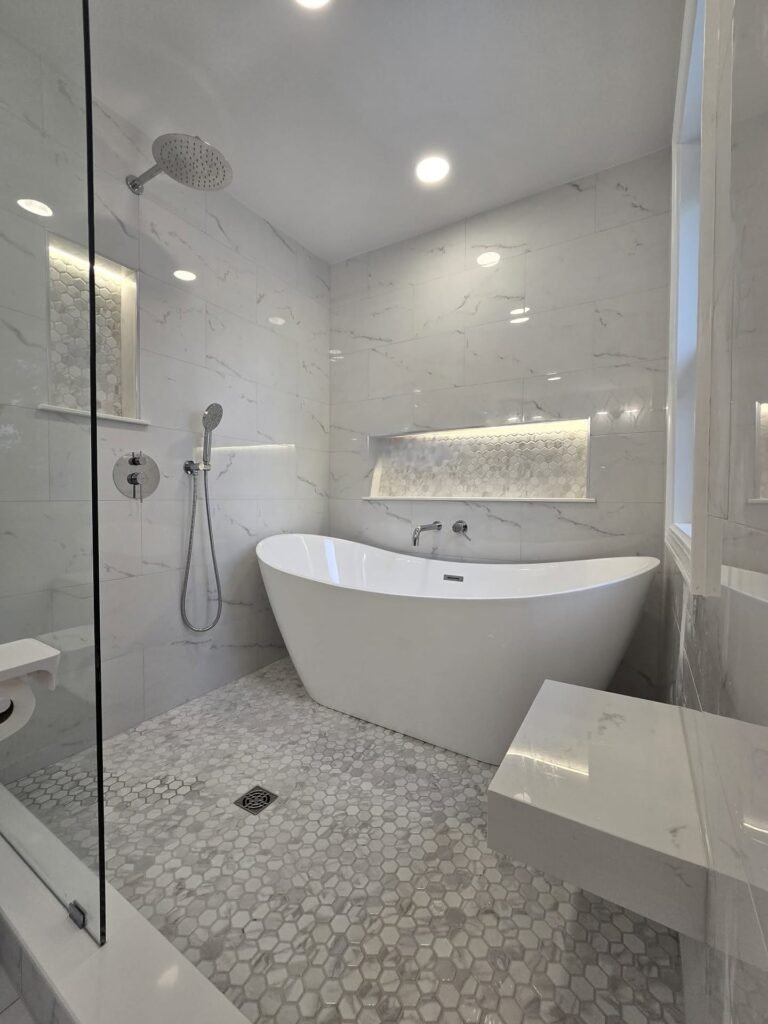
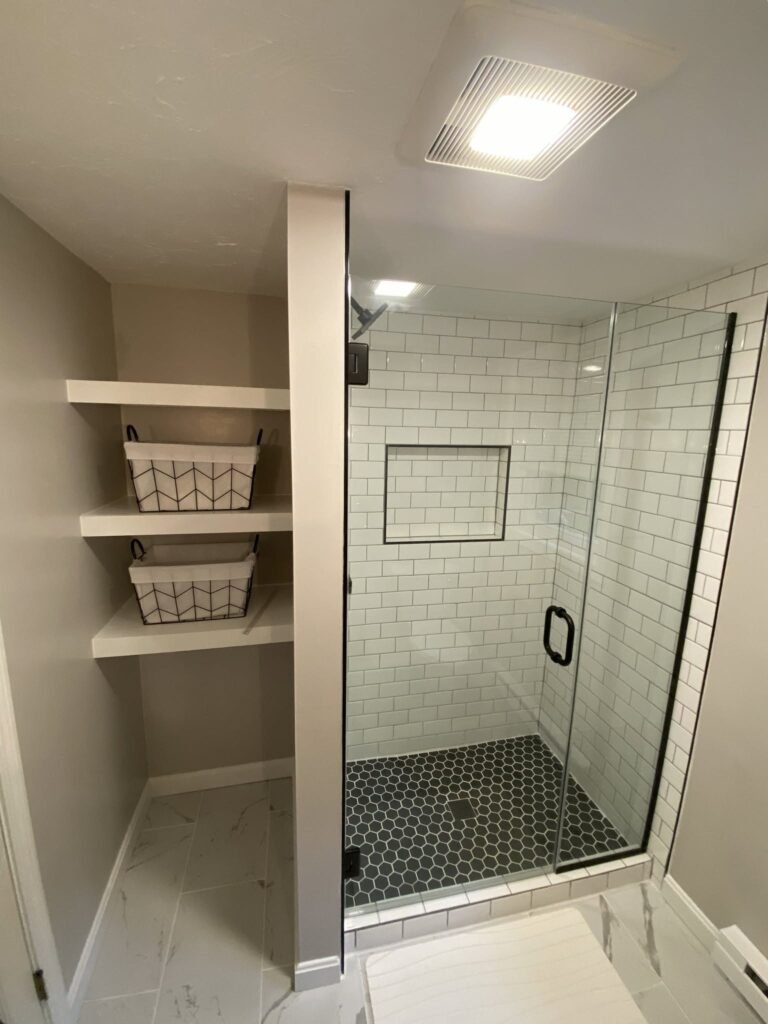
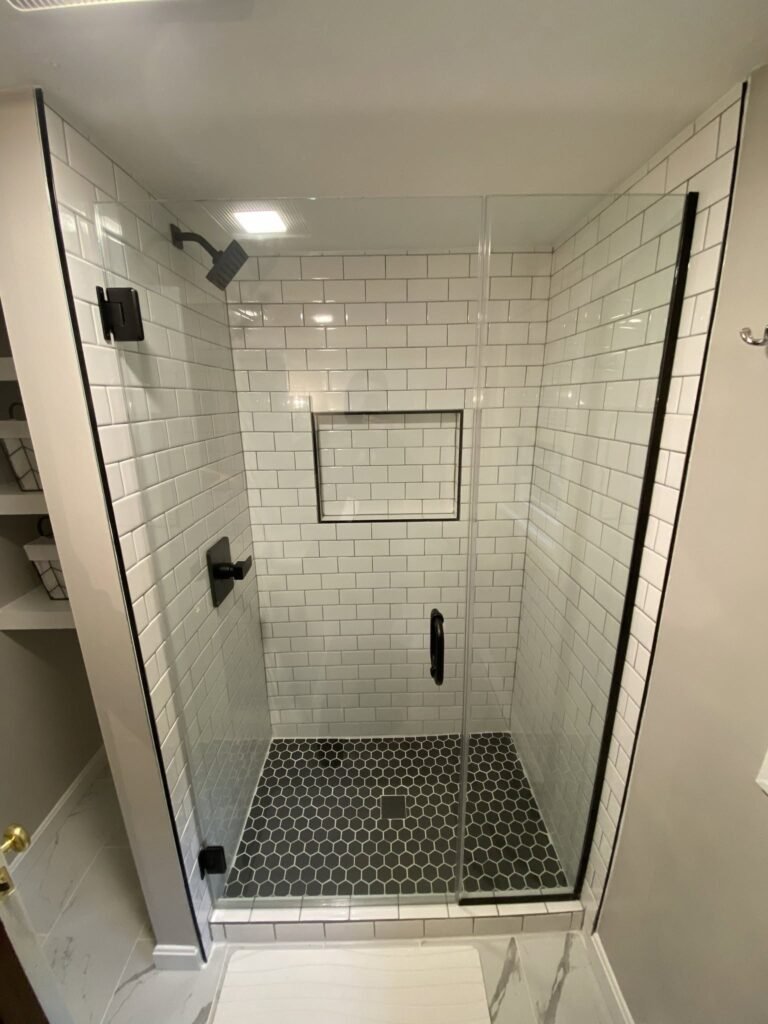
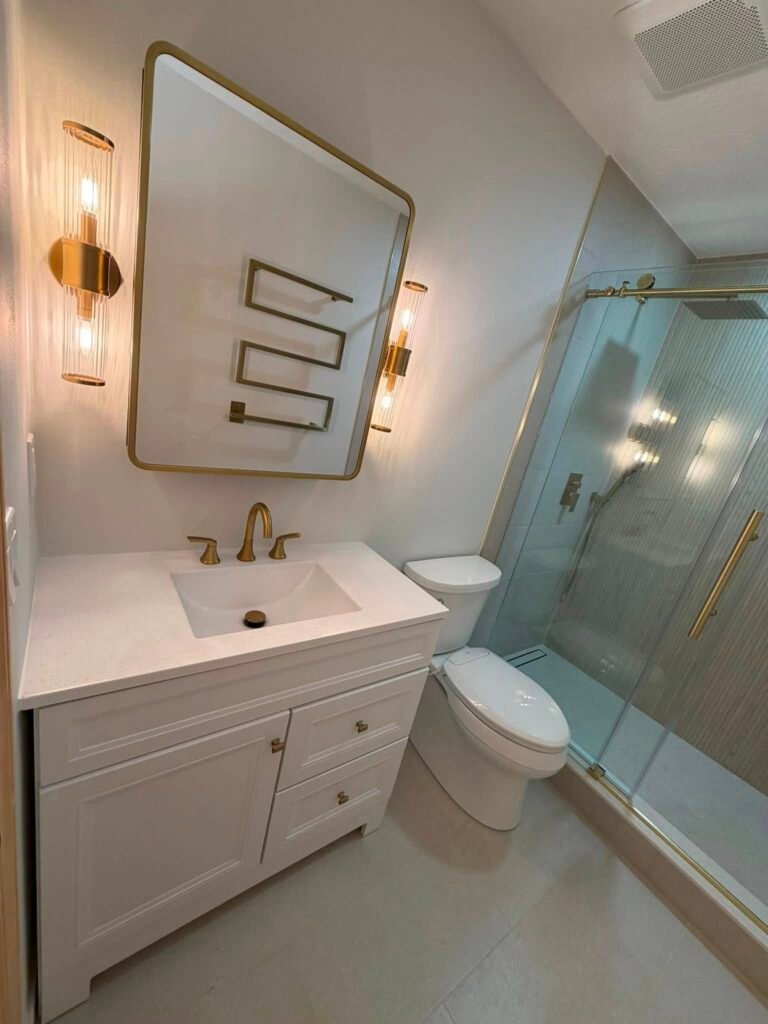
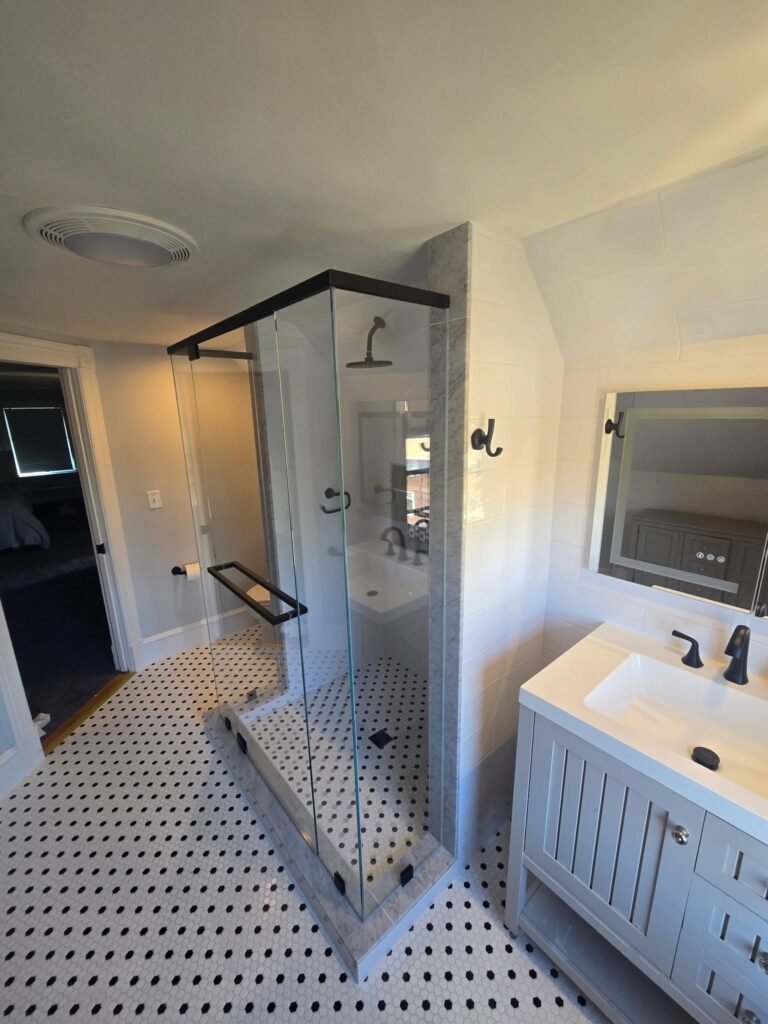
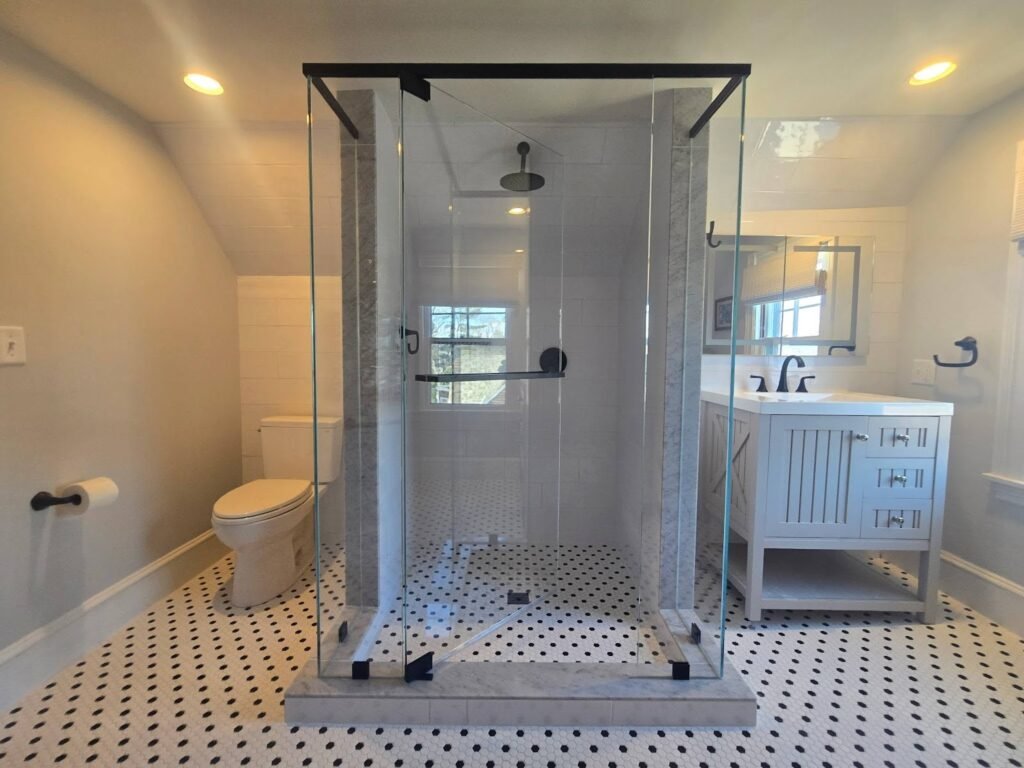
A few real bathroom remodeling projects completed by our team across Worcester County & Central MA. View our full project gallery →
Explore More
Related Services
Cost Guides
Areas We Serve
Free estimate: (508) 925-0396