In-Law Suite Contractor Building spaces where family stays close — and independent
Aging parents, adult children, returning relatives. We build in-law suites in Massachusetts that give families privacy without separation — attached to your home but with their own entry, bath, kitchenette, and bedroom. Designed for safe aging in place.
Why Families Build In-Law Suites
An in-law suite is more than a renovation — it’s a decision about how a family wants to live together. Parents who don’t want assisted living but need to be close. Adult children launching careers who can’t afford their own place. Grandparents who want to be a part of daily life without imposing. A suite gives everyone their own space within the same home, with the closeness that comes from being just down the hall.
At JM All-Pro Services, we build in-law suites across Massachusetts that work for the way families actually live. Private bedroom, full or accessible bathroom, kitchenette for independence, separate entry for autonomy, and design choices that make the space safe and accessible for aging family members. Not a separate dwelling unit — an integrated extension of your home.
In-Law Suite vs. ADU — Which Do You Need?
These two terms get used interchangeably, but they’re different things with different legal status, design implications, and costs. Here’s how to know which one fits your situation:
The Practical Difference
Same physical structure type — different legal status and design prioritiesIn-Law Suite
▸ For Family — Integrated Living- Designed for family members specifically
- Often shares utilities with main home
- Kitchenette typical (not full kitchen)
- May share entry with main house
- Aging-in-place features prioritized
- Not necessarily a legal dwelling unit
ADU (Accessory Dwelling Unit)
▸ For Rentals — Independent Unit- Designed as standalone legal dwelling
- Separate metered utilities common
- Full kitchen required by code
- Separate entry required
- Rental income or investment focus
- Legal dwelling — formal designation
The short answer: if you’re building for a family member to live with you — for aging parents, adult children, or relatives — an in-law suite is usually what you want. If you’re building to rent out to a non-family tenant for income, you want an ADU. See our ADU Contractor page for the rental-focused version of this work.
In-Law Suite Configurations
Where the suite goes shapes the project entirely. Most MA in-law suites fall into one of these configurations:
Bedroom Wing Conversion
▸ Spare bedroom suiteConverting existing spare bedroom (or pair of bedrooms) into a private suite. Often the simplest path — works with existing footprint of the home.
- Add private bath
- Add kitchenette nook
- Sound-isolate from main house
- No structural expansion needed
First-Floor Addition
▸ Built outwardNew addition built off the side or back of the home, on the first floor. Ideal for aging family members — no stairs to navigate, ground-level access.
- Connected to main house
- Own private exterior entry
- Ground-floor accessibility
- Possible separate garage access
Walkout Basement Suite
▸ Below-grade suiteExisting walkout basement finished into a suite. Natural separation from upstairs living, private entry to backyard or driveway, often most cost-effective option.
- Ceiling height check first
- Egress windows required
- Often needs separate HVAC zone
- Moisture mitigation critical
Garage Conversion
▸ Attached garage suiteAttached garage converted into in-law suite. Existing foundation and walls keep costs down. You lose parking but gain a private suite with its own external entry.
- Insulate existing structure
- Replace garage door with wall
- HVAC system added
- Private exterior entry kept
Second-Floor Suite
▸ Upstairs private wingSecond floor portion of home dedicated as the suite. Good when family member is mobile and stairs aren’t an issue. Maximum privacy from main floor activity.
- Bedroom + private bath
- Sitting area / small kitchen
- Separate stairway possible
- NOT good for aging in place
Attic Conversion Suite
▸ Top-floor private suiteUnfinished attic converted into living suite. Most isolation from rest of house. Requires ceiling height and stair code compliance, dormer additions often needed.
- Min 7’0″ ceiling required
- Dormers for headroom
- Code-compliant stairs
- Best for adult children/guests
Essential In-Law Suite Features
The right combination depends on who’s moving in and what they need. These are the elements we typically include in a complete in-law suite:
Private Bedroom
Quiet, properly insulated bedroom. Sound separation from main living areas a priority.
Full or Accessible Bathroom
Private bathroom with shower (walk-in if aging in place). Grab bars, comfort-height fixtures.
Kitchenette
Compact prep space: sink, mini-fridge, microwave, sometimes 2-burner cooktop. Enough for independence.
Sitting Area / Living Space
Room beyond the bedroom — for relaxing, reading, watching TV. Privacy in their own space.
Separate Entry
Private exterior door for autonomy. Important for adult relationships and dignity.
Separate HVAC Zone
Independent temperature control. Older family members often prefer warmer rooms than younger ones.
Laundry Access
In-suite stacked washer/dryer, or designated access to main house laundry. Maintains independence.
Connecting Door to Main House
Internal door allowing easy family access without going outside. Often locked from the suite side.
Storage Solutions
Closet space, built-ins, possibly small office nook. Real living requires real storage.
Outdoor Access
Small patio, garden access, or seating area outside their entrance. Quality of life feature.
Aging-in-Place Design Features
If the suite is for an aging parent or grandparent, we incorporate universal design principles that anticipate mobility changes. Done thoughtfully, these features look natural — not institutional — while making the space safer and more usable for decades:
No-Step Entry
Threshold-flush or ramped entry. No steps to navigate at the suite door.
Wide Doorways
36″ doors throughout (vs standard 30″). Wheelchair-ready, easier with walker.
Lever Door Handles
No round knobs — lever handles work with arthritic hands and full hands carrying items.
Walk-In Shower
Curbless shower entry with bench seat, hand-held showerhead, grab bars discreetly built in.
Comfort-Height Toilet
17-19″ toilet height (vs standard 15″). Easier to sit and stand from.
Reinforced Bathroom Walls
Blocking installed behind walls for grab bars now and in future as needs change.
Rocker Light Switches
Wide rocker switches positioned at 36-44″ height. Easy to use with limited dexterity.
Non-Slip Flooring
Slip-resistant tile in bath, low-pile carpet or LVP elsewhere. No throw rugs.
Bright Layered Lighting
Multiple light sources at multiple levels. Night-lights along path to bathroom.
Single-Level Layout
Everything on one floor — no stairs to bedroom, bathroom, kitchen, or exit door.
Legal & Code Considerations
What MA homeowners should know before buildingAn in-law suite is generally treated as an extension of your home — not a separate dwelling unit. That keeps things simpler than building a full ADU. But there are still important legal considerations:
Building Permit Required
Any addition, conversion, or major renovation needs a permit. We handle this.
Not a Separate Dwelling Unit
If kitchenette is small enough, often treated as part of home — not separate unit.
Full Kitchen = ADU Territory
If you install a full kitchen with stove/oven, it may legally become an ADU.
Bedroom Code Applies
New bedroom must have egress window, smoke/CO detectors, proper ceiling height.
Septic Capacity
Adding a bedroom on septic may require Title V evaluation — even if no separate unit.
Renting to Non-Family
If you want option to rent later, build to ADU specs from start — avoids retrofitting.
Property Tax Impact
Addition increases assessed value and tax bill. Conversion of existing space less so.
Local Zoning Verification
Each MA town has its own rules. We verify your town’s interpretation before design.
What Affects In-Law Suite Cost
In-law suite costs vary significantly based on configuration and finish choices. The biggest cost drivers:
Construction Type
Addition vs conversion vs basement finish — addition costs most, conversion of existing space costs least.
Square Footage
Studio-style 300 sq ft vs 700 sq ft full suite significantly different cost.
Bathroom Choices
Standard bath vs accessible walk-in shower bath with grab bars and comfort fixtures.
Kitchen Scope
Kitchenette (sink, mini-fridge, microwave) much less than full kitchen with appliances.
HVAC System
Mini-split heat pump zone vs extending main system. Mini-split usually best for separation.
Septic / Sewer
Bedroom addition on septic system may require Title V evaluation. Town sewer simpler.
Aging-in-Place Features
Universal design features have moderate added cost but high quality-of-life value.
Finish Quality
Standard rental-grade vs primary-residence-quality finishes shift project cost significantly.
Our Construction Process
Most in-law suite projects run 8-16 weeks from contract to completion, depending on configuration. The steps:
Family Consultation
Discuss who will live there, their current and future needs, design priorities.
On-Site Assessment
Visit property, evaluate configuration options, discuss aging-in-place needs.
Design Drafting
Floor plan, elevations, accessibility features. Family reviews and approves.
Written Estimate
Detailed scope, materials, finishes, timeline. Signed contract before starting.
Permits Pulled
Building, plumbing, electrical, HVAC permits filed. Town review period.
Demolition / Prep
For conversions: existing space prepared. For additions: foundation work begins.
Framing & Mechanical
Framing, plumbing rough-in, electrical wiring, HVAC installation, insulation.
Drywall & Finishes
Drywall, paint, flooring, trim, kitchen and bath installation, fixtures.
Final Walkthrough
Family inspection, accessibility check, all systems demonstrated, punch list addressed.
Why Families Choose JM All-Pro
iAging-in-Place Specialized
Universal design knowledge built in. Curbless showers, reinforced walls, comfort fixtures — done right.
iiFamily-First Conversations
Design conversations include the whole family. The future resident’s input matters most.
iiiMA Licensed & Insured
MA CSL #121166, HIC #214808. Full liability and workers comp coverage.
ivHonest Scope Recommendations
Sometimes a kitchenette is enough. Sometimes a full kitchen is right. We tell you the truth.
vPermit Management
Building, plumbing, electrical, HVAC permits. We file and coordinate inspections.
viMulti-Trade Coordination
Framers, electricians, plumbers, HVAC techs — all managed under one contract.
viiSound Isolation Expertise
Family privacy depends on quiet. We use proper insulation, double-stud walls, sound-rated doors.
viiiWritten Estimates
Detailed scope, finishes, timeline before work begins. No surprise change orders.
Service Areas in Massachusetts
Where We Build In-Law Suites
Based in Clinton, MA. In-law suite construction across Worcester County, Middlesex County, and MetroWest:
Related Services
In-Law Suite FAQs
What’s the difference between an in-law suite and an ADU?
An in-law suite is an integrated extension of your home designed for a family member — typically with a kitchenette (not full kitchen), often shared utilities with the main house, and not legally a separate dwelling unit. An ADU is a legally distinct dwelling with full kitchen, separate metered utilities, and the ability to be rented to anyone. Same physical space type, different legal status and design priorities. If it’s for family living with you, build a suite. If you’re building to rent out, build an ADU.
How much does an in-law suite cost in MA?
Varies dramatically by configuration and finish level. Converting a basement or bedroom into a suite is the lower cost tier. Garage conversions mid-range. Full first-floor additions are the highest tier. The level of accessibility features and finish quality also significantly affects cost. Written estimates after on-site assessment.
Do I need a permit to build an in-law suite?
Yes. Any addition, structural conversion, plumbing work, or major renovation requires permits in Massachusetts. We pull all required permits including building, plumbing, electrical, and HVAC. The permitting process is part of every project we handle.
Will adding an in-law suite increase my property taxes?
Yes, in most cases. Adding square footage or converting non-living space to living space increases your property’s assessed value. The tax bill rises proportionally. A bedroom conversion in existing space has less impact than a full addition. Discuss with your local assessor for specifics.
How long does it take to build an in-law suite?
Conversions of existing space (bedroom wing, basement, garage): 8-12 weeks. First-floor additions: 12-18 weeks. Permit processing time (typically 2-6 weeks) is upfront. Material sourcing for specialty accessibility features can add lead time.
Can my parent or grandparent age in place in the suite?
Yes — that’s a core design goal for many suites we build. We incorporate universal design principles: no-step entries, wide doorways, walk-in curbless showers, grab bar reinforcement, comfort-height fixtures, lever handles, layered lighting. Done thoughtfully, these features look natural — not institutional — while making the space safer for decades to come.
What if my needs change — can I convert the suite later?
Yes. In-law suites have great flexibility for future use. If the resident family member moves out or passes away, the suite can be: rented as an ADU (with permit adjustments), used as a home office, converted to guest space, used as a teen retreat, or absorbed back into main house. Build with optionality in mind from the start.
Do I need to install a full kitchen?
No — and in fact a kitchenette (sink, mini-fridge, microwave, optional small cooktop) is often the right choice. A kitchenette keeps the space classified as part of your home rather than a separate dwelling unit. If you install a full kitchen with stove/oven, the space may legally become an ADU, with different requirements.
Will my homeowner’s insurance change?
Generally yes — you should notify your carrier when adding any significant square footage or new use to the home. Coverage may need adjustment for the larger structure. Most carriers handle in-law suites without issue, but disclose during design phase, not after construction.
How do I get started?
Call (508) 925-0396 or submit the quote form. Tell us who’s moving in, what their current and anticipated needs are, and where you’re thinking of building the suite. We’ll schedule a free in-home consultation to assess options and follow up with a written estimate.
Building Space for Family
Schedule a free in-home consultation. We’ll discuss who’s moving in, their needs (current and future), and the best configuration for your home. Then follow up with a detailed written estimate. Build a suite that lets families stay close — and independent.
Recent Projects
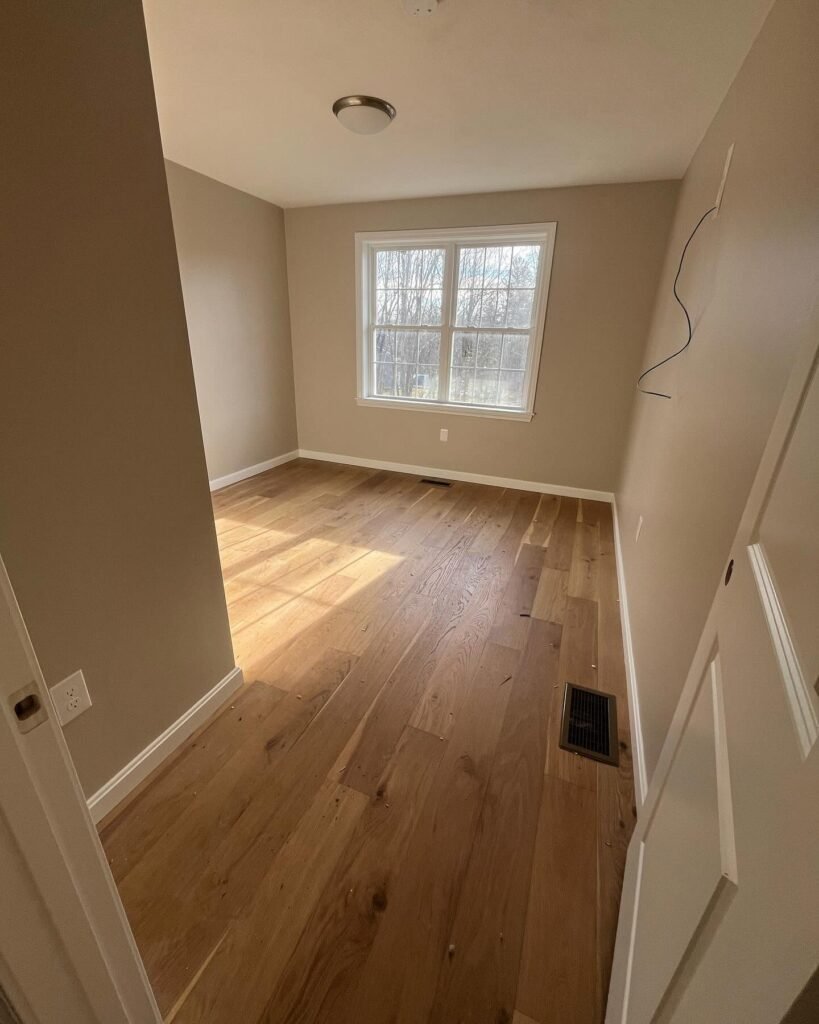
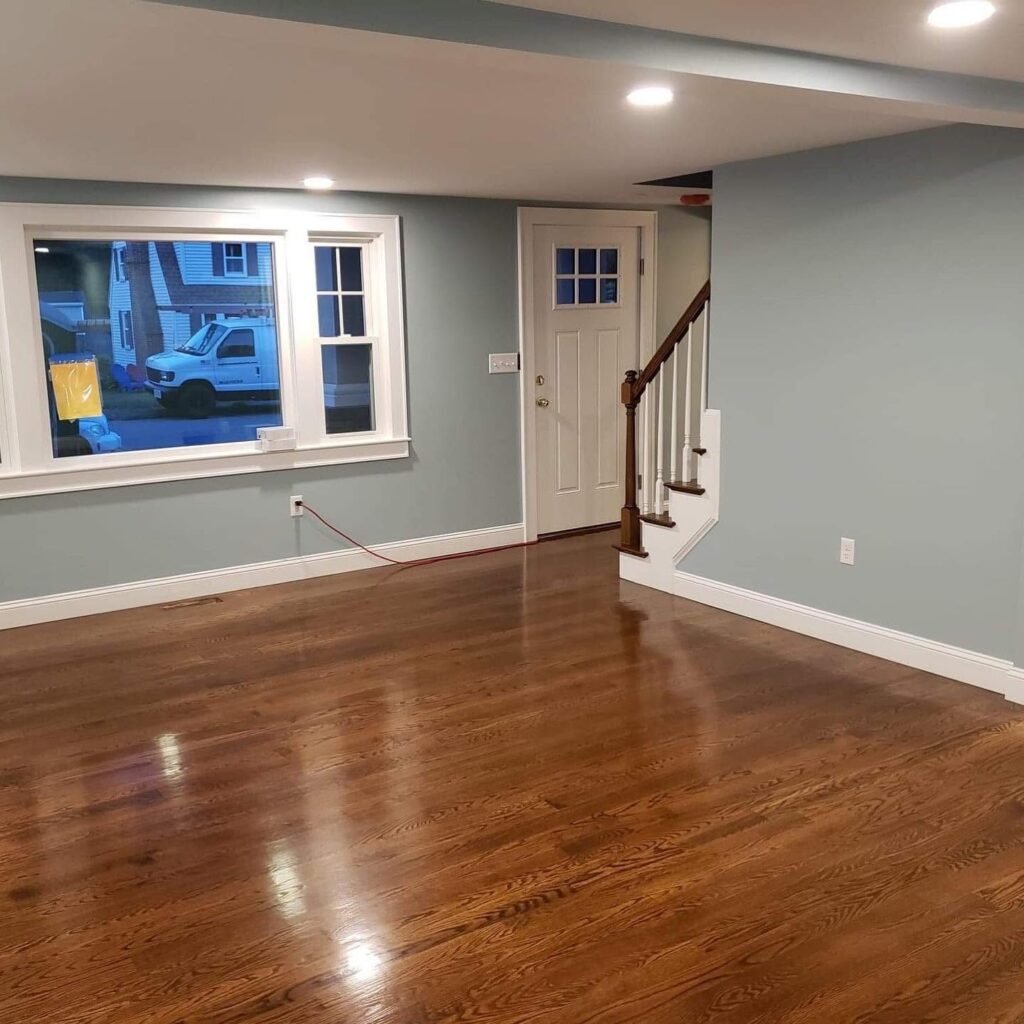
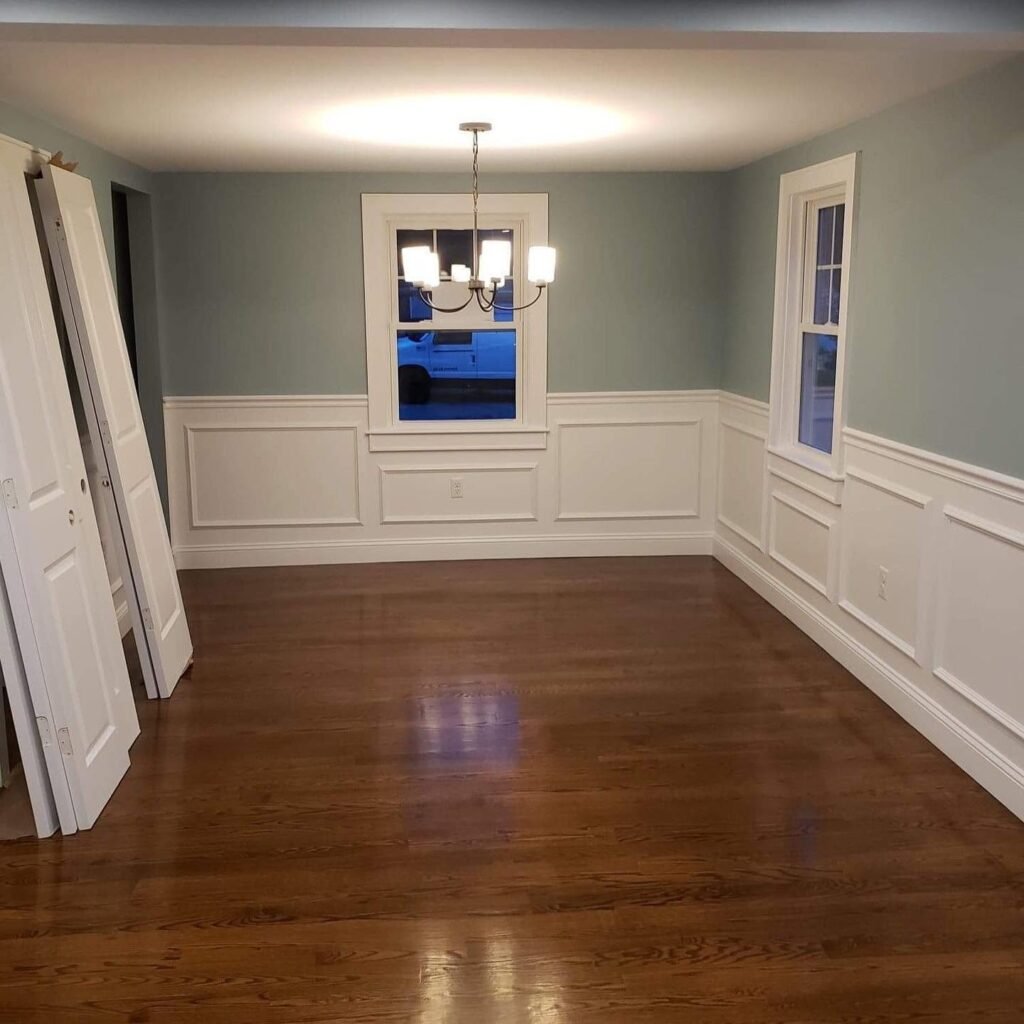
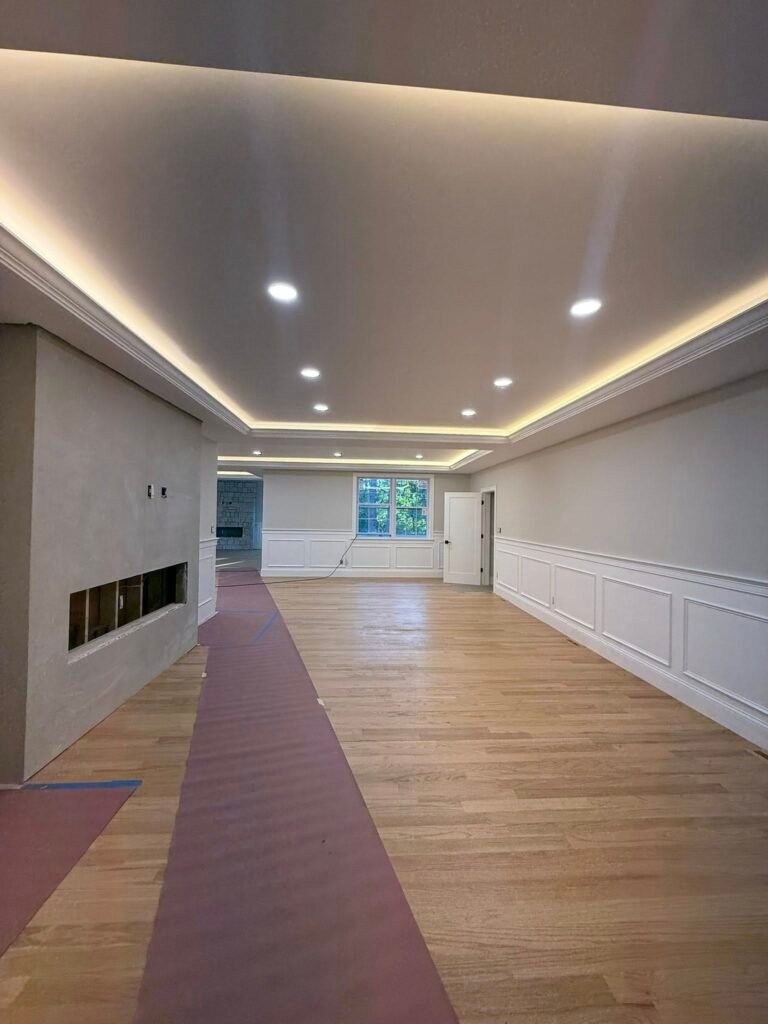
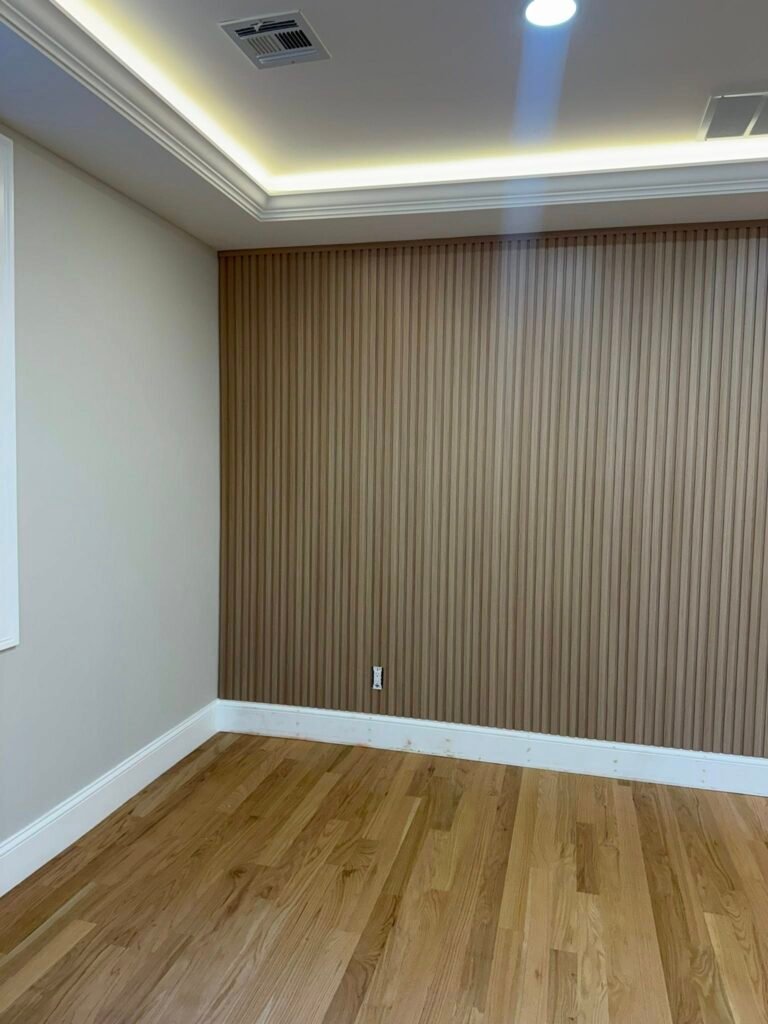
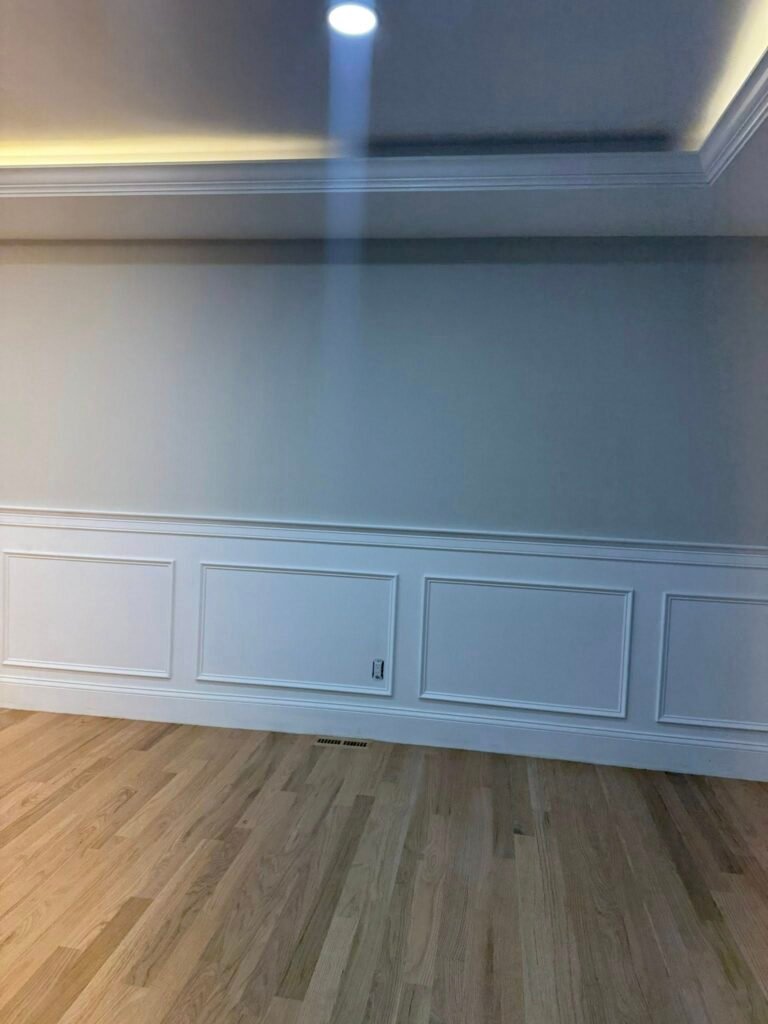
A few real interior remodeling projects completed by our team across Worcester County & Central MA. View our full project gallery →
Explore More
Related Services
Cost Guides
Areas We Serve
Free estimate: (508) 925-0396