ADU Contractor Building Accessory Dwellings Across Massachusetts
Detached new builds, garage conversions, basement conversions, attached additions. MA-licensed ADU contractor handling design, permits, construction, and town liaison from initial concept to certificate of occupancy.
August 2024 Affordable Homes Act made ADUs allowed by-right on most single-family lots. No special permit, no zoning hearing required.
Massachusetts ADU Construction — Newly Easier Than Ever
An Accessory Dwelling Unit (ADU) is a smaller, secondary housing unit on the same lot as your primary home. Living room, kitchen, bathroom, bedroom — a complete dwelling for one household, separate from the main house. Until recently, most MA towns made ADUs difficult or impossible through zoning restrictions. That changed in 2024.
The Affordable Homes Act (signed August 6, 2024, effective February 2, 2025) made ADUs allowed by-right on most single-family residential lots across Massachusetts. No more discretionary special permit. No more zoning board hearings. No more “no” from the town. If your lot qualifies, you have a legal right to build an ADU — and we can help you do it.
What Counts as an ADU in Massachusetts
To qualify as an ADU under MA law, the unit must meet specific requirements. Knowing these from day one prevents permit denials and helps you scope the project correctly:
▸ SEPARATE ENTRANCE
Own entry door, separate from primary dwelling access
▸ KITCHEN
Full or efficiency kitchen — cooking facilities required
▸ BATHROOM
Full bathroom — toilet, sink, and bathing facility
▸ SLEEPING AREA
Separate bedroom or designated sleeping space
▸ SAME LOT
Must be on same parcel as primary dwelling
▸ 900 SQ FT MAX
Or 50% of primary dwelling gross floor area, whichever is less
Four Main Types of ADU Construction
The right ADU type depends on your property, budget, and goals. Each has different cost, timeline, and zoning considerations:
Detached New Build
▸ Standalone StructureCompletely separate small house on the property — backyard cottage, granny flat, in-law cottage. Maximum privacy, highest construction cost.
Garage to ADU Conversion
▸ Best ROI OftenExisting garage converted to dwelling. Foundation, walls, and roof already there — biggest cost savings. Loses parking but gains living space.
Basement Conversion
▸ Walkout RequiredFinished basement turned into ADU with separate entry. Requires walkout basement or bulkhead entry for code compliance.
Attached ADU Addition
▸ Shared WallNew addition attached to primary home, with separate entrance and complete dwelling. Common solution when detached not feasible.
What the 2024 Affordable Homes Act Changed
Before 2024, ADUs in Massachusetts required a special permit in most towns — meaning a public hearing, neighbor objections, and Zoning Board approval. The new law eliminated those barriers for compliant ADUs on single-family lots. Key provisions every property owner should understand:
✓By-Right Allowed
No special permit required for compliant ADUs on most single-family lots.
✓No Owner-Occupancy Required
Owner does not need to live in primary or ADU. Both can be rented.
✓No Family-Relation Requirement
ADU can be rented to anyone — not just family members.
✓Max 900 SF or 50% Primary
Whichever is less. Limits ADU size relative to primary dwelling.
✓Standard Setback Rules Apply
ADU must meet same setback distances as primary structures in zone.
✓One Parking Space Required
Towns may require one additional off-street parking space for ADU.
✓Building Permit Still Needed
Standard building, plumbing, electrical permits — but no special permit.
✓Some Towns Have Local Rules
Cities of Boston and certain communities have additional requirements.
Why Property Owners Build ADUs
ADUs serve many different purposes depending on owner goals. The most common reasons MA homeowners build them:
Rental Income
Long-term rental of the ADU generates monthly income. Most popular reason since 2024 law passage.
$1,500-$2,500/mo avgAging Parent Housing
Multi-generational living. Parents close by but independent. Privacy for both households.
Family caregivingAdult Children Returning
Adult children in transition. Privacy for them, proximity to family, eventual conversion to other use.
Family flexibilityShort-Term Rental
Airbnb / VRBO income. Higher gross income but management-intensive. Some MA towns restrict.
$3K-$5K/mo (variable)Home Office / Studio
Dedicated workspace separated from main house. Tax advantages possible for true business use.
Tax-advantagedProperty Value Add
Substantial property value increase. ADU-eligible properties valued higher even before built.
15-30% home valueDownsizing in Place
Owner moves into ADU, rents out larger primary home. Live small, collect bigger rent.
Lifestyle optionGuest House
Family/friend accommodation without permanent rental commitment. Flexible future use.
FlexibilityRequired ADU Components
Every ADU we build includes these systems to meet MA code and qualify as a separate dwelling unit:
Foundation & Slab
Frost-depth foundation (48″+ in MA), slab or full basement based on design.
Framing & Roof
Wood frame construction, roof system, sheathing, weather barrier, exterior trim.
Plumbing System
Water supply, drain/waste/vent, fixtures. Connection to existing or new sewer/septic.
Electrical System
Service panel (own meter or shared), wiring, receptacles, lighting, smoke/CO detection.
HVAC System
Mini-split heat pump most common. Separate from main house. Energy-efficient.
Kitchen
Full or efficiency kitchen. Cabinets, countertop, sink, refrigerator, range, hood.
Bathroom
Full bath: toilet, vanity sink, shower or tub/shower combo. Bath exhaust fan required.
Separate Entrance
Code-compliant exterior door with proper threshold, stoop or steps, weather seal.
Insulation Package
Walls R-21, ceiling R-49, energy code compliant. Mass Save program eligible.
Interior Finishes
Drywall, flooring, trim, paint, doors, hardware. Same quality as primary dwelling work.
What Affects ADU Construction Cost
ADU costs vary widely based on type, finishes, and site conditions. The biggest cost drivers in MA:
▸ ADU Type
Detached new build costs most. Garage conversion costs least.
HIGH IMPACT▸ Square Footage
400 sq ft vs 900 sq ft significantly different cost.
HIGH IMPACT▸ Septic/Sewer
Extending septic system or adding new septic field if needed.
HIGH IMPACT▸ Electrical Service
New panel or upgraded service to existing main panel.
MODERATE▸ Site Access
Tight lots, slope, or limited equipment access increase labor.
MODERATE▸ Finish Level
Mid-grade rental finishes vs premium owner-occupied finishes.
MODERATE▸ Permit Fees
Building, plumbing, electrical, septic permits. Vary by town.
LOWER▸ HVAC Type
Mini-split heat pump most efficient. Higher upfront but lower operating.
LOWEROur ADU Construction Process
Most ADU projects run 14-20 weeks from contract signing to certificate of occupancy. Here’s how we phase the work:
Feasibility & Site Review
Visit property, review lot survey, check setbacks, verify ADU eligibility under your specific town’s zoning. Discuss type (detached, garage conversion, basement, attached) and rough design.
Design & Construction Drawings
Architectural design, floor plan, elevations, structural engineering as needed. MEP (mechanical/electrical/plumbing) plans drafted.
Written Contract & Selections
Detailed scope, materials, finishes, fixtures all selected. Written contract signed before any work or permit filing.
Permits Pulled
Building, plumbing, electrical, gas, septic permits filed. Engineering documents submitted. Town approval timeline varies.
Site Prep & Foundation
Site cleared. Excavation. Foundation poured (or existing structure prepared for conversion). Frost-depth inspection.
Framing, Roof, Exterior
Wood framing, roof installation, sheathing, windows, doors, siding. Weather-tight building shell complete.
Rough Mechanicals
Plumbing rough-in, electrical wiring, HVAC ductwork or mini-split lines. Rough inspections pass.
Insulation & Drywall
Insulation per energy code. Drywall hung, taped, sanded. Walls and ceilings ready for finishes.
Kitchen, Bath, Flooring
Cabinets installed, countertops, tile, fixtures, flooring throughout. Bathroom fully finished.
Final Inspections & C/O
Final mechanicals, finish trim, paint, hardware. Town final inspections. Certificate of Occupancy issued. ADU ready to rent or occupy.
Permits Required for ADU Construction
Several different permits required from your town. We pull and coordinate all of them as part of the project:
Building Permit
Required for any new construction or major alteration. Covers framing, foundation, structural elements.
Plumbing Permit
Required for kitchen and bathroom plumbing. Inspected separately by plumbing inspector.
Electrical Permit
Required for new wiring, panels, outlets. Often two inspections (rough and final).
Gas Permit
If using gas appliances or heating. Filed separately from electrical.
Septic Permit
If property has septic system. May require Title V upgrade for added bedroom load.
Mechanical Permit
For HVAC installation including mini-split heat pumps or other systems.
Demolition Permit
If converting existing garage or significant structure removal involved.
Certificate of Occupancy
Final document allowing legal occupancy. Issued after all inspections pass.
Key Pre-Construction Considerations
Things to Know Before You Start
Verify Your Lot Qualifies
Single-family residential lots in most MA towns qualify under the 2024 Affordable Homes Act. Multi-family already-zoned lots, certain conservation lots, and some other categories may have restrictions. We verify before design starts.
Check Septic Capacity (If Applicable)
If your property has septic, adding a bedroom for the ADU may require Title V evaluation and potentially a system upgrade. Cost varies $5K-$30K depending on system condition.
Confirm Electrical Service Capacity
Adding an ADU may require electrical service upgrade. 200-amp service often sufficient; smaller services may need upgrade to handle additional load. Check before committing.
Understand Setback Requirements
ADUs must meet same setback rules as primary structures in your zone. Front, side, and rear setbacks. Detached ADUs on small lots may not fit. Survey work needed early.
HOA / Condo Restrictions
State law makes ADUs by-right, but private HOA covenants may still restrict. Check your HOA documents before proceeding. State law generally overrides but case-by-case.
Insurance & Financing
Your homeowner’s insurance needs adjustment for the ADU. Construction financing options: HELOC, construction loan, cash-out refinance. Discuss with lender early.
Property Tax Implications
Adding an ADU increases assessed property value. Tax bill rises proportionally. Calculate this into your ROI projection if renting.
Short-Term Rental Rules
State law allows long-term ADU rental. Some MA towns/cities have local restrictions on short-term (Airbnb-style) rentals. Verify with your town if STR is the plan.
Why Choose JM All-Pro for Your ADU
i2024 Law Expertise
Up-to-date on Affordable Homes Act provisions. Know which sections apply, which don’t.
iiMulti-Type ADU Builder
Detached, garage conversion, basement conversion, attached addition — all types built.
iiiMA Licensed
CSL #121166, HIC #214808. Liability and workers comp insured.
ivFull Permit Management
Building, plumbing, electrical, gas, septic permits — all filed and coordinated by us.
vSeptic Coordination
Title V evaluation, septic engineer coordination, system upgrades if required.
viMulti-Trade Project Mgmt
Framers, electricians, plumbers, HVAC techs — all under one written contract.
viiRental-Ready Finishes
Durable mid-grade finishes for rental ADUs. Premium finishes for owner-occupied.
viiiWritten Estimates
Detailed scope, materials, timeline. Milestone draws. No surprise change orders.
Service Areas in Massachusetts
Where We Build ADUs
Based in Clinton, MA. ADU construction across Worcester County, Middlesex County, and MetroWest:
Related Services
ADU Construction FAQs
Can I really build an ADU on my Massachusetts property without a special permit?
In most cases yes, as long as your property is a single-family residential lot and the ADU meets MA Affordable Homes Act requirements (under 900 sq ft, meets setback, has separate entrance, etc.). A few categories of property still require special permits, and certain cities have additional local requirements. We verify your specific property qualifies before any design work.
How much does it cost to build an ADU in MA?
Varies dramatically by type and finish level. Garage conversion ADUs are the lowest cost tier since the foundation and shell already exist. Basement conversion ADUs are similar. Attached addition ADUs are mid-range. Detached new-build ADUs are the highest tier. Written estimates provided after on-site assessment of your property.
How long does ADU construction take?
Garage conversions: 8-14 weeks. Basement conversions: 10-14 weeks. Attached additions: 12-18 weeks. Detached new builds: 14-20 weeks. Permit processing time (3-8 weeks depending on town) is upfront. Weather can affect outdoor construction phases.
What size can my ADU be in Massachusetts?
Maximum 900 sq ft, OR 50% of your primary dwelling’s gross floor area, whichever is less. So if your primary home is 1,400 sq ft, your ADU can be up to 700 sq ft (50% of primary). If your primary home is 2,000+ sq ft, your ADU can be up to 900 sq ft.
Do I need to live in the primary home or the ADU?
No. Under the 2024 MA law, there is no owner-occupancy requirement. You can rent out both the primary home AND the ADU. Or live in the primary and rent the ADU. Or live in the ADU and rent the primary. All combinations are allowed under state law.
Can I rent my ADU on Airbnb?
State law allows ADUs to be rented. Long-term rentals (30+ days) are generally allowed everywhere. Short-term rentals (Airbnb-style) may be restricted by your specific MA town’s bylaws. We verify your town’s STR rules during the feasibility phase.
Will the ADU increase my property taxes?
Yes. Your property’s assessed value increases by approximately the construction value of the ADU, and your tax bill rises proportionally. This needs to be factored into your ROI calculation if you plan to rent. Most ADU projects still cash-flow positive even after the tax increase.
Do I need to upgrade my septic system?
If you have a septic system and your ADU adds bedrooms beyond what your current Title V capacity allows, then yes — you may need a septic upgrade. Cost varies significantly. We coordinate with septic engineers and required upgrades as part of the project. Properties on town sewer don’t have this issue.
What about parking for the ADU?
Towns may require one additional off-street parking space for the ADU. The state law allows this. We design ADUs with parking in mind, often using existing driveway expansion or new pad construction as needed.
How do I get started?
Call (508) 925-0396 or submit the quote form with your property address and rough ADU goals (detached, garage conversion, etc.). We do a free in-home feasibility assessment, verify your property qualifies, discuss options, and follow up with written estimate.
Ready to Build Your ADU?
Schedule a free in-home feasibility assessment. We verify your property qualifies under MA law, discuss type and design options, and follow up with a written estimate. From feasibility to certificate of occupancy in 14-20 weeks for most projects.
Recent Projects
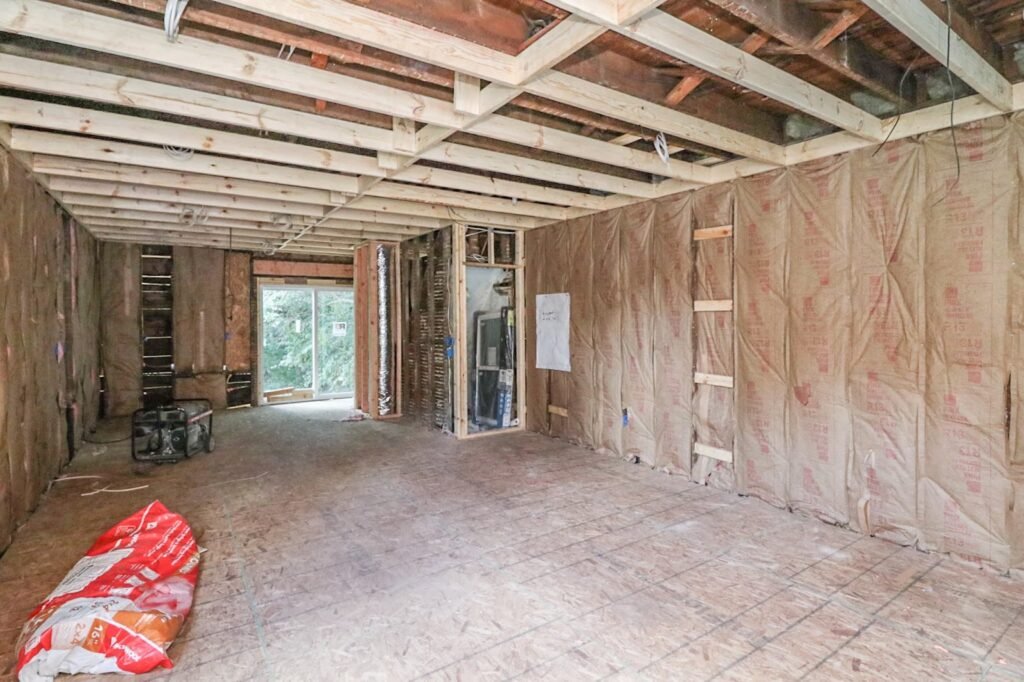
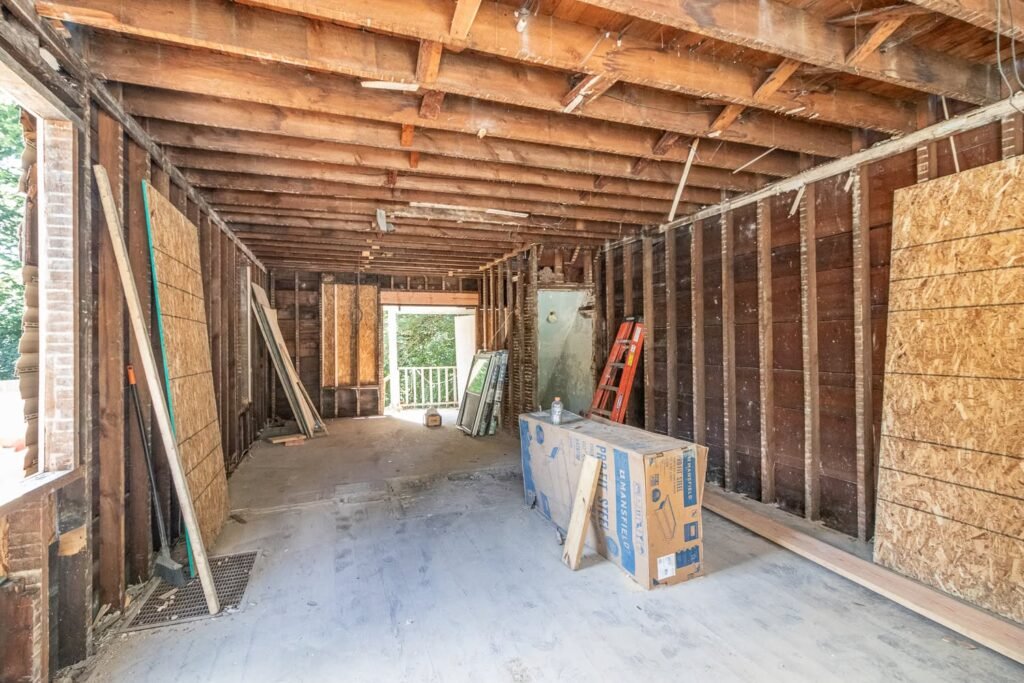
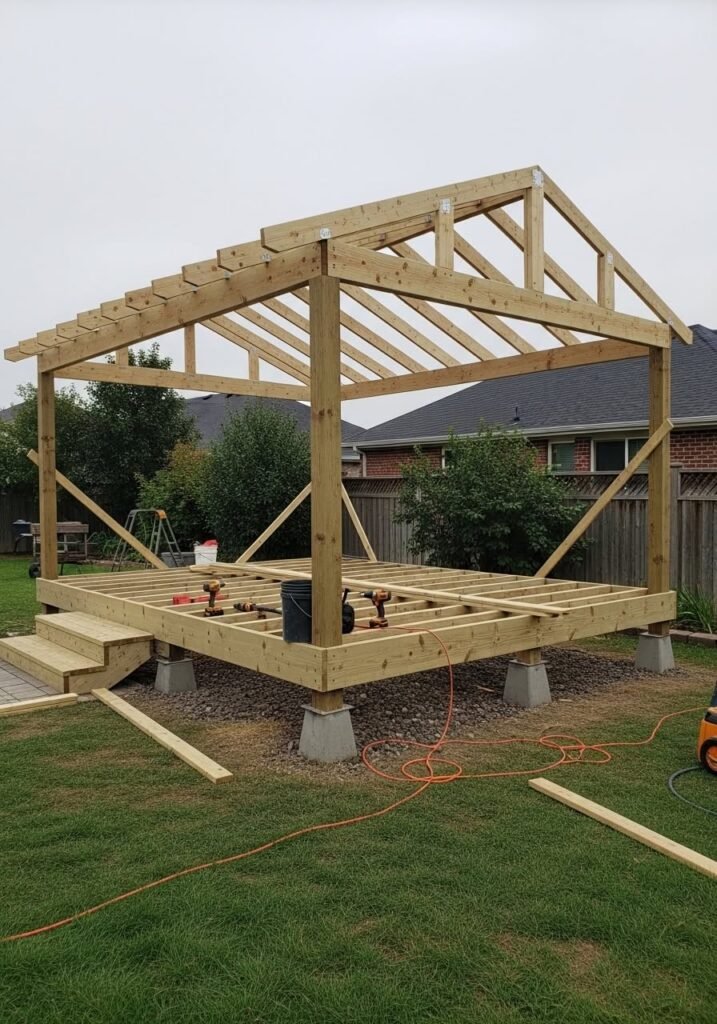
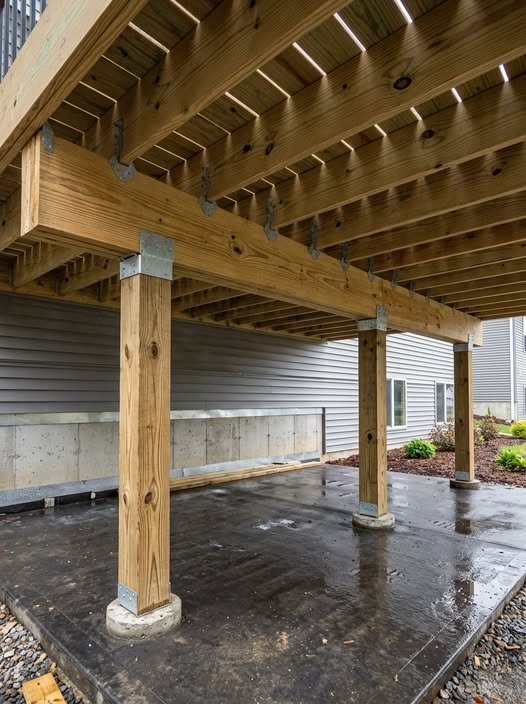
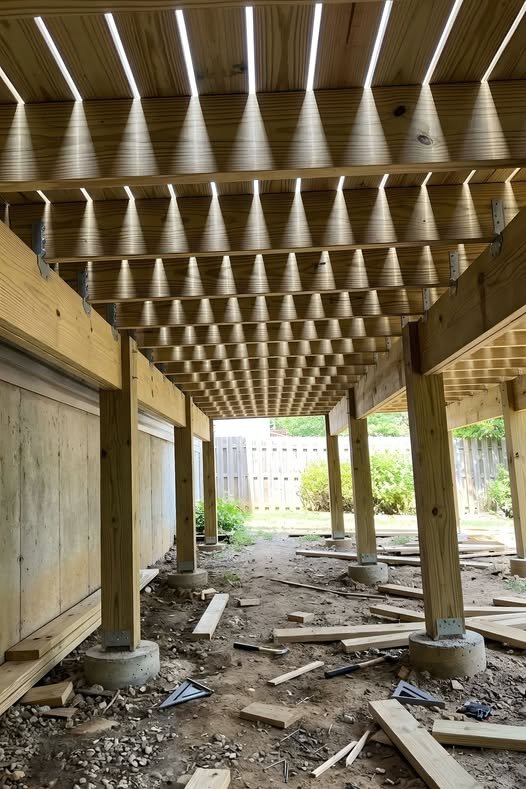
A few real addition and framing projects completed by our team across Worcester County & Central MA. View our full project gallery →
Explore More
Related Services
Cost Guides
Areas We Serve
Free estimate: (508) 925-0396