Basement Apartment Conversion Turn unused below-grade space into a legal, income-producing dwelling unit.
MA contractor for converting existing basements into legal apartments and accessory dwelling units. Egress windows, separate entrance, full kitchen, bathroom, code-compliant ceiling height. MA 2024 Affordable Homes Act makes basement ADUs by-right in most towns. Generate rental income from space you already own.
You Already Own the Space — Just Not Yet the Income
Most Massachusetts basements sit unused. Storage boxes, old exercise equipment, maybe a laundry setup. Meanwhile, rental demand across Worcester County and MetroWest is the highest it’s been in a decade. One-bedroom apartments are renting for $1,200-$2,000+ per month depending on town and condition.
A basement apartment conversion takes that dead space and turns it into a self-contained, code-compliant dwelling unit with its own kitchen, bathroom, bedroom, living space, and typically its own entrance. Massachusetts’ 2024 Affordable Homes Act made accessory dwelling units (ADUs) — including basement conversions — by-right in most single-family zones. No special permit, no zoning variance. Build to code, pass inspections, start collecting rent.
At JM All-Pro Services, we handle basement apartment conversions as complete design-build projects. From feasibility assessment through permits, construction, inspections, and certificate of occupancy — one contractor handling egress windows, framing, plumbing, electrical, kitchen, bathroom, flooring, drywall, and separate entrance.
MA Code Requirements for Basement Apartments
Converting a basement to a legal apartment requires meeting specific building code, fire safety, and habitability standards. These are non-negotiable — failing any means you can’t get a certificate of occupancy. Every item below is included in our scope:
Ceiling Height 7’0″ Min
Minimum 7-foot finished ceiling height in all habitable rooms. Beams and ducts can reduce to 6’4″ in limited areas. Measured after framing and drywall.
Egress Windows R310
Every sleeping room needs an emergency escape window — minimum 5.7 sq ft opening, 24″ minimum height, 20″ minimum width, 44″ max sill from floor. Egress window wells required for below-grade.
Separate Entrance
Direct exterior access required. Cannot require passing through primary dwelling to enter or exit apartment unit.
Full Bathroom
Toilet, lavatory, and shower or tub. Proper ventilation (exhaust fan to exterior). GFCI protection at outlets.
Kitchen Facilities
Sink, stove/cooktop, refrigerator, counter space. Proper ventilation over cooktop. Dedicated circuits for appliances.
Fire Separation
1-hour fire-rated assembly (5/8″ Type-X drywall) between basement apartment and primary dwelling above. Fire-rated door at any shared wall openings.
Smoke & CO Detectors
Interconnected smoke detectors in every sleeping room and adjacent hallway. Carbon monoxide detectors required if fuel-burning appliances present.
Moisture Management
Basement must be dry. Waterproofing, sump pump if needed, vapor barrier. No habitable space in wet basements without remediation first.
HVAC / Heating
Independent heating source for apartment (separate zone, mini-split, or dedicated system). Natural ventilation or mechanical ventilation required.
Electrical Service
Adequate electrical capacity for apartment loads. May require separate meter or sub-panel. AFCI protection in bedrooms, GFCI in wet areas.
What a Basement Conversion Includes
A complete basement apartment conversion touches every trade. Here’s what we build:
Egress & Entrance
Cutting foundation walls for egress windows and separate entrance door. Window wells installed. Exterior stairs or walkout grading where applicable.
- Foundation cut for egress
- Egress window well + drain
- Separate exterior entrance
- Exterior stairs / walkout
Framing & Insulation
Stud walls on foundation. Pressure-treated sole plates. Interior partition walls for bedroom, bath, kitchen. Insulation with vapor barrier.
- Pressure-treated sole plates
- Bedroom / bath partitions
- Rigid + batt insulation
- Vapor barrier system
Plumbing
Full bathroom rough-in (toilet, shower, vanity). Kitchen rough-in (sink, dishwasher). Water heater capacity assessed. Drain connections to existing.
- Full bathroom rough-in
- Kitchen sink + dishwasher
- Drain tie-ins or ejector pump
- Hot water capacity check
Electrical
Sub-panel or separate meter. Kitchen appliance circuits. AFCI bedrooms, GFCI wet areas. Overhead lighting throughout. Smoke and CO detectors wired.
- Sub-panel / separate meter
- Dedicated kitchen circuits
- AFCI + GFCI protection
- Interconnected detectors
Kitchen Build-Out
Compact but functional kitchen. Cabinets, countertop, sink, cooktop/range, refrigerator alcove, microwave. Exhaust ventilation over cooking.
- Cabinets + countertop
- Range / cooktop + hood
- Refrigerator space
- Ventilation to exterior
Bathroom Build-Out
Full three-piece bathroom: toilet, vanity with sink, walk-in shower or tub/shower combo. Tile shower surround. Exhaust fan vented to exterior.
- Toilet + vanity + shower
- Tile surround / LVP floor
- Exhaust fan to exterior
- GFCI outlets
HVAC / Heating
Independent heating and cooling for apartment. Ductless mini-split (most common) or separate zone off existing system. Thermostat in apartment.
- Ductless mini-split typical
- Independent thermostat
- Ventilation / fresh air
- Dehumidification if needed
Finishing Trades
Fire-rated drywall ceiling (Type-X 5/8″). Wall drywall. Interior painting. LVP flooring throughout. Trim, doors, closets. Move-in ready.
- 5/8″ Type-X fire-rated ceiling
- Drywall + painting
- LVP flooring throughout
- Interior doors + trim
MA 2024 Affordable Homes Act — Basement ADUs Now By-Right
Massachusetts’ 2024 Affordable Homes Act changed everything for basement apartment conversions. Single-family homeowners can now create one ADU — including a basement apartment — as a by-right use in most zones. Key points:
By-Right (No Variance)
No special permit or zoning variance needed. Building permit + meet code = legal ADU.
One Per Lot
One ADU per single-family lot. Can be internal (basement), attached (addition), or detached (separate structure).
Owner Occupancy
Owner must occupy either the primary dwelling or the ADU (varies by town implementation).
No Parking Required
Additional off-street parking cannot be required for ADUs under the new law in many implementations.
Size Limits Apply
ADU cannot exceed 900 sq ft or 50% of primary dwelling (whichever is smaller). Most basements fit easily.
Rental Income Legal
ADU can be rented at market rate. Legal rental income stream from space you already own.
Our Conversion Process
Basement apartment conversions run 3-6 months from feasibility to move-in ready:
Feasibility Assessment
On-site basement evaluation: ceiling height measurement, moisture assessment, foundation condition, existing utilities location, egress window placement options. Go / no-go determination.
Design & Plans
Floor plan layout. Kitchen and bath placement (minimize plumbing runs). Bedroom / living room configuration. Separate entrance design. Permit-ready drawings.
Permits
Building permit application. Electrical and plumbing permits. Town review. ADU by-right streamlines this vs old variance process.
Waterproofing & Foundation
Address any moisture issues first. Sump pump if needed. French drain if needed. Foundation cuts for egress windows and entrance.
Egress + Entrance + Framing
Egress windows installed with wells. Separate entrance cut and framed. Interior partition walls erected. Insulation and vapor barrier.
Mechanical Rough-Ins
Plumbing rough-in for kitchen and bath. Electrical sub-panel, circuits, boxes. HVAC mini-split installation. Inspections.
Drywall + Fire Rating
5/8″ Type-X fire-rated drywall on ceiling (between apartment and house above). Standard drywall on walls. Taping, mudding, sanding.
Finishing Trades
Kitchen cabinets and appliances. Bathroom tile and fixtures. Flooring throughout. Paint. Trim and doors. Closets.
Final Inspections + CO
All final inspections: electrical, plumbing, building, fire. Certificate of occupancy issued. Unit is legally rentable. Ready for tenant.
The Investment Math on Basement Conversions
Basement apartment conversions are one of the highest-ROI home investments in Massachusetts. You’re converting existing square footage (no new foundation, no new roof) into income-producing space. The numbers tend to work very well:
What Affects Conversion Cost
Basement conversion cost varies based on existing conditions and scope. These factors are biggest:
Existing Ceiling Height
Basements with 7’+ ceiling already cheapest. Under 7′ may need floor lowering (significant cost) or may be infeasible.
Moisture Condition
Dry basements cheapest. Damp basements need waterproofing, sump pump, French drain before anything else.
Foundation Type
Poured concrete easiest to cut for egress/entrance. Block is doable. Fieldstone requires significantly more engineering.
Plumbing Location
Basements below sewer line need ejector pump (adds cost). Gravity drain to sewer is cheaper.
Square Footage
Larger apartments cost more but rent for more. Sweet spot is 500-700 sq ft for 1BR unit.
Kitchen Scope
Basic kitchenette cheapest. Full kitchen with island and dishwasher higher. Galley kitchen is efficient middle ground.
Separate Entrance
Walkout basements cheapest (entrance exists). Full foundation cut + exterior stairs most expensive.
Separate Meter
Separate electric meter adds upfront cost but eliminates utility arguments with tenants. Often worth it.
Why Choose JM All-Pro for Basement Conversions
iAll Trades Under One Roof
Framing, plumbing, electrical, HVAC, drywall, flooring, kitchen, bath — all coordinated by one project manager. Not 8 separate contractors.
iiMA Licensed
CSL #121166, HIC #214808. Insured. MA construction supervisor experienced with ADU building code.
iiiADU Law Knowledge
2024 Affordable Homes Act by-right requirements. We know what your town requires for basement ADU permitting.
ivEgress Expertise
Foundation cutting for egress windows and separate entrance. R310 sizing. Window well installation with drainage.
vFire Separation Done Right
5/8″ Type-X ceiling, fire-rated doors, proper fire-blocking. Inspector-approved fire separation between units.
viWaterproofing First
We assess and solve moisture issues before building anything. No point building an apartment in a wet basement.
viiFeasibility Honest
Not every basement can become an apartment. If ceiling height or moisture makes it infeasible, we tell you before you spend money on plans.
viiiCO Guaranteed Process
We build to certificate of occupancy. If it doesn’t pass final inspection, it’s our problem to fix. You get a legal, rentable unit.
Basement Conversion Service Areas
Based in Clinton, MA. Basement apartment conversions across Worcester County, Middlesex County, and MetroWest:
Related Services
Basement Apartment Conversion FAQs
Can I legally convert my basement to an apartment in MA?
In most Massachusetts towns, yes — the 2024 Affordable Homes Act makes one accessory dwelling unit (ADU) per single-family lot a by-right use, including basement conversions. You need to meet building code requirements (ceiling height, egress, fire separation, etc.), get proper permits, and pass inspections. No zoning variance needed in most cases. Some towns have specific local implementation rules — we check before starting.
What’s the minimum ceiling height for a basement apartment?
7 feet minimum finished ceiling height in all habitable rooms (bedrooms, living room, kitchen). Beams, ducts, and structural elements can protrude below this to 6’4″ in limited areas (not more than 50% of room). This is measured after framing and drywall finish — so your existing basement needs to be at least 7’4″+ to accommodate framing, insulation, and drywall thickness. If your basement is under 7’4″, floor lowering (underpinning) may be needed or the project may not be feasible.
How much does a basement apartment conversion cost?
Cost depends heavily on existing conditions — ceiling height, moisture condition, foundation type, plumbing accessibility, and scope of kitchen and bath. Basements that are already dry, have adequate ceiling height, and have gravity drain to sewer are the most affordable conversions. Wet basements needing waterproofing, basements below sewer line requiring ejector pumps, or basements with low ceiling heights needing floor lowering add significant cost. Written estimates after our feasibility assessment visit.
How long does a basement conversion take?
Typical timeline is 3-6 months from feasibility assessment to certificate of occupancy. Design and permits: 4-8 weeks. Construction: 8-16 weeks depending on scope and existing conditions. Waterproofing work, if needed, adds 2-4 weeks before interior work begins. Weather doesn’t affect basement interior work, so this is a year-round project unlike some exterior work.
Do I need a separate entrance?
Yes — MA building code requires a separate means of egress that doesn’t pass through the primary dwelling. This usually means either a walkout basement entrance (if your lot grades to allow it), a new exterior door cut through the foundation wall with exterior stairs, or a separate entrance from bulkhead access that’s upgraded to code-compliant stairs. We assess entrance options during feasibility.
What about moisture and waterproofing?
Moisture is the number one feasibility question for basement conversions. We assess during our first visit. Dry basements proceed directly to construction. Basements with minor dampness may need interior waterproofing (french drain, sump pump, vapor barrier) which we include in scope. Basements with active water intrusion need remediation before any conversion work — we handle that too, but it adds cost and time. Chronically wet basements with structural foundation issues may not be candidates for conversion.
Do I need a separate electric meter?
Not always required by code, but strongly recommended. Separate meter allows tenant to pay their own utilities, eliminates disputes, and makes the unit more attractive to tenants. Without separate meter, you’ll need to include utilities in rent or install sub-metering. We discuss options during design — adding a separate meter upfront costs less than retrofitting later.
Can I use the basement apartment for family instead of renting?
Absolutely. Many clients convert basements for aging parents, adult children, or guests. The same code requirements apply whether it’s a rental unit or family use — egress, fire separation, kitchen, bath, entrance are all still required for legal habitable space. Building it to full ADU standard also preserves the option to rent it later if family circumstances change.
What happens with the existing basement utilities?
HVAC equipment, water heater, electrical panel, and laundry facilities typically in the basement need to remain accessible. We design the apartment layout to keep a utility closet or room for these items with separate access. Some configurations allow relocating laundry upstairs. Water heater and furnace are often enclosed in a dedicated utility closet within the apartment layout.
How do I get started?
Call (508) 925-0396 or submit the quote form. The first step is a free feasibility assessment — we measure ceiling height, check moisture, assess foundation type, identify plumbing and entrance options, and give you an honest go/no-go. If feasible, we move to design and pricing. If not feasible, you’ve spent zero before learning that.
Stop Storing Boxes — Start Collecting Rent
Free basement feasibility assessment. Ceiling height, moisture, foundation type — we verify before you spend a dollar. If it’s a go, we handle everything: permits, egress, kitchen, bath, entrance, inspections, certificate of occupancy. One contractor, one timeline.
Recent Projects
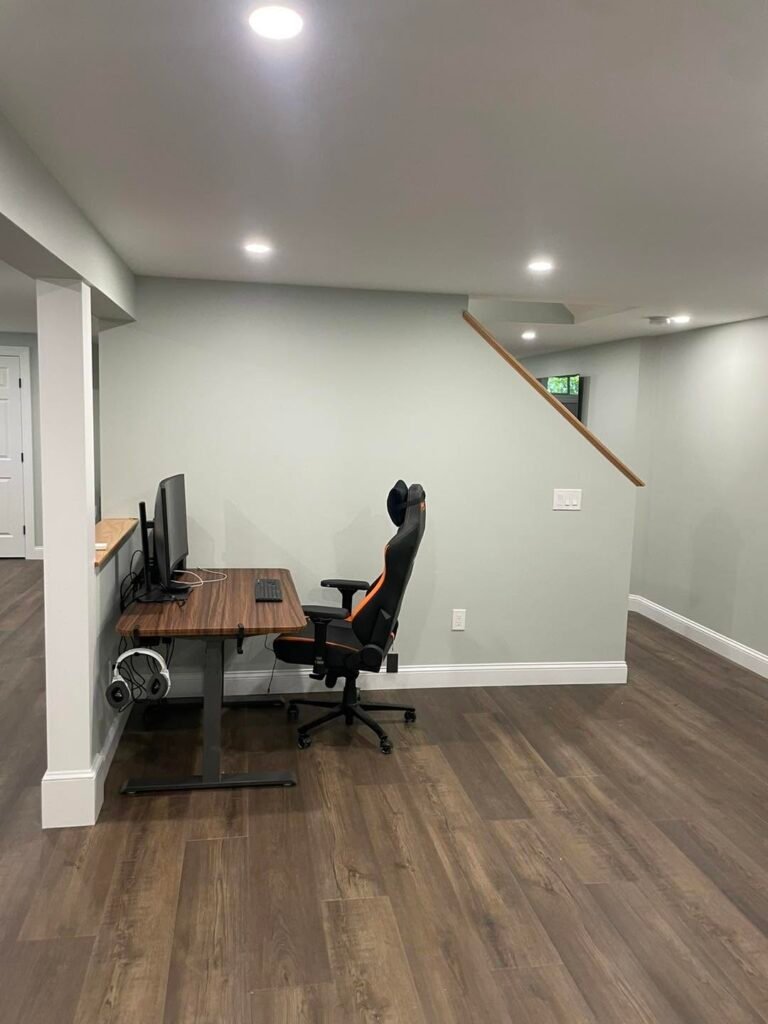
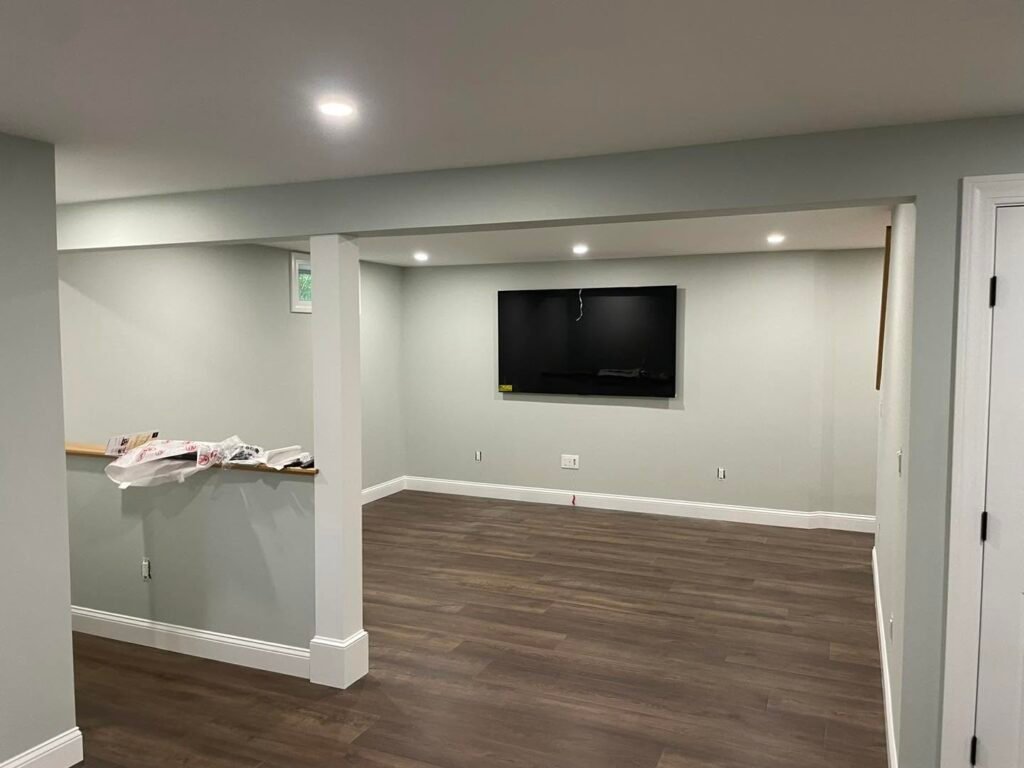
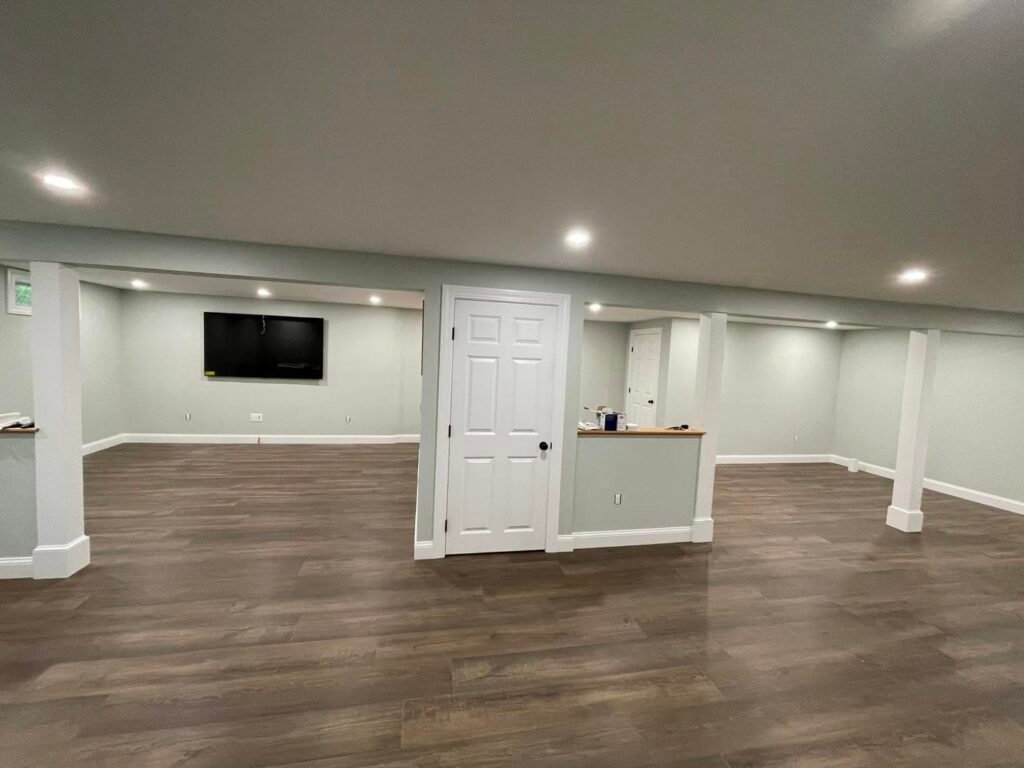
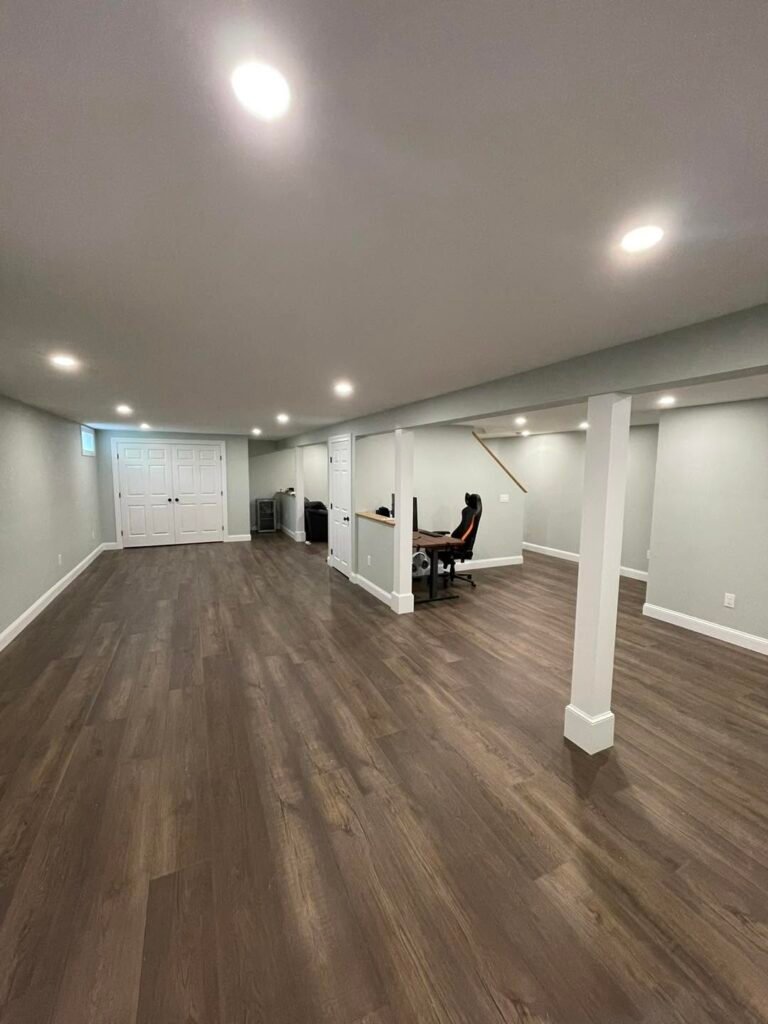
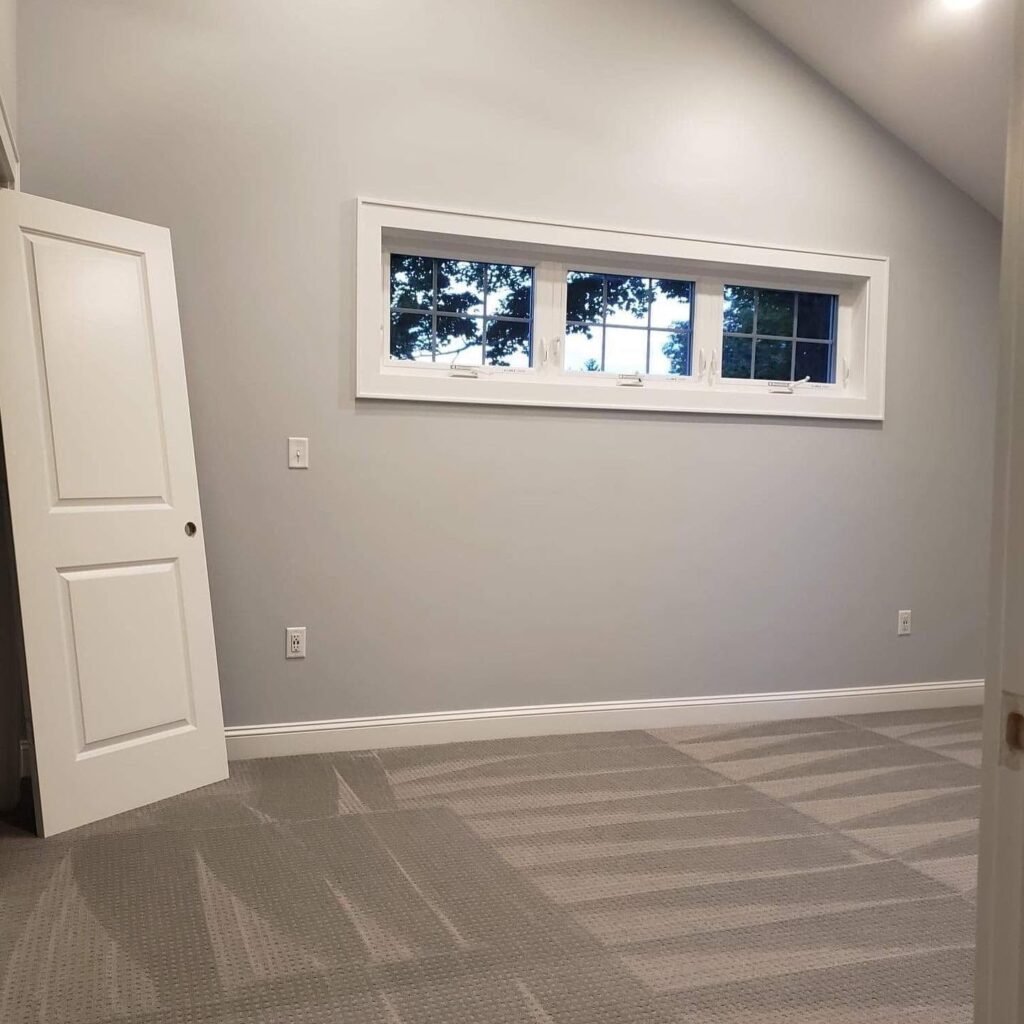
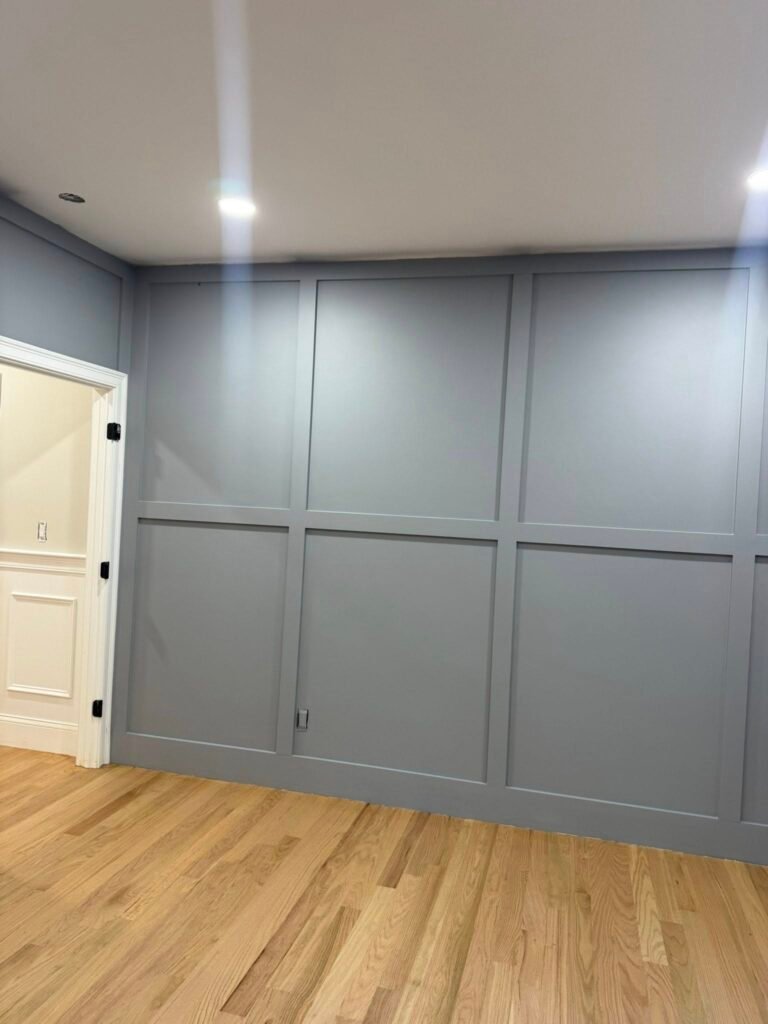
A few real basement finishing projects completed by our team across Worcester County & Central MA. View our full project gallery →
Explore More
Related Services
Cost Guides
Areas We Serve
Free estimate: (508) 925-0396