Based at 208 Walnut St · Clinton, MA
Interior Painting in Clinton, Massachusetts
Here’s the secret every good painter knows and every cheap one hopes you don’t: the finish is decided before the can is opened. Patching, sanding, caulking, priming — that’s where a paint job is won or lost. We paint Clinton’s homes the slow-prep, clean-line way: walls, ceilings, trim, cabinets and the century-old plaster this town is built on. Careful crews, covered floors, and a written price from the contractor based right here on Walnut Street.
What we paint
Interior Painting Services in Clinton
One crew that paints and repairs — because half of every great paint job is fixing the surface first, and we don’t have to call anyone else to do it.
Whole-Home Interior Painting
Every room, one crew, one schedule — the most efficient way to repaint. Same-color throughout goes fastest; a room-by-room palette is welcome too, planned so the transitions land cleanly at every doorway.
Room & Accent Painting
One bedroom before the baby arrives, a living room refresh, an accent wall done right — small jobs get the same prep and the same clean lines as whole houses. No project too small to do properly.
Ceilings, Trim & Doors
The details that separate professional from almost: crisp cut lines where wall meets ceiling, trim caulked before it’s painted so there are no shadow gaps, and doors finished smooth on both faces.
Plaster Repair & Skim Coating
Clinton’s specialty problem, solved properly: cracked plaster patched, bad old repairs skim-coated and feathered until you genuinely can’t find them. Our drywall crew makes hundred-year-old walls look poured.
Cabinet Painting
The kitchen transformation that costs a fraction of replacement: cabinets degreased, sanded, bonding-primed and finished smooth. Done right, painted cabinets look factory-made — done fast, they peel in a year. We do right.
Rental Turnover Painting
Fast, durable repaints between tenants for Clinton’s triple-deckers and rental units — scuff-resistant finishes, tight schedules, clean invoices. Our landlord clients rent units within days of our final coat.
The part you’re actually paying for
Why Two Paint Jobs Never Look the Same
Two painters, same room, same paint, same color — one result looks sprayed on by angels and the other shows every roller mark and old patch within a month. The difference isn’t talent. It’s what happened before the paint:
What we do before opening a can
Patch every hole, ding and crack — then sand it flush, because a patch you can feel is a patch you’ll see. Caulk every gap where trim meets wall, so the finished lines read solid instead of shadowed. Spot-prime every repair, stain and raw surface, so the finish coats absorb evenly instead of flashing. Then — and only then — two full coats, with cut lines done by a steady hand where it matters. That sequence is 60–70% of our hours on a job. It’s also 100% of the reason the result lasts.
What the cheap quote quietly skips
One coat “with really good coverage.” Painting over unsanded patches that telegraph through by winter. Skipping caulk, so every trim line has a thin dark gap. No primer over repairs, so they flash a different sheen in afternoon light. Rolling around the furniture instead of moving it. None of it shows on day one — that’s the trick. All of it shows by month six, when the truck is long gone. When one quote is dramatically cheaper, this list is usually why.
Our estimates itemize the prep, so you can compare quotes on what’s actually being done — not just the number at the bottom. It’s the fairest way to shop for painting, and it’s why our finished walls still look finished years later.
We know what’s under Clinton’s paint
Painting Clinton’s Homes, Wall by Wall
The mill-era Victorians and triple-deckers near downtown are the most rewarding — and least forgiving — painting work in town. Their walls are plaster, not drywall: harder, smoother, and beautiful when treated right, but a century of settling leaves hairline cracks, and decades of quick patches with the wrong materials leave scars that ordinary painting can’t hide. Our answer is the one most painters can’t offer: real skim coating, feathered wide until old repairs disappear completely — one of our reviews calls it “you genuinely cannot tell where the old plaster ends.” That’s the standard.
The same houses carry original woodwork — dark stained casings, deep baseboards, stair balustrades — where clean cut lines take patience and a steady brush, not a wall of tape and hope. The post-war capes and ranches off Routes 70 and 110 bring their own era: sometimes textured ceilings due for smoothing, paneling to prime and paint, and forty-year-old trim that transforms with fresh semi-gloss. And the newer homes near South Meadow Pond mostly need what builder-grade paint always eventually needs — a full, proper repaint with better material than the house came with.
Why paint is Clinton’s smartest home upgrade
Biggest change per dollar: nothing else transforms a room — or a whole house — for so little. It’s the single highest-return, lowest-disruption improvement a home can get.
Selling? A fresh, neutral repaint is the first thing stagers order and the cheapest project with an outsized effect on offers. Buyers can’t unsee scuffed walls.
No permits, no demolition: painting needs no town paperwork and no torn-up rooms — we can usually schedule within days, not months.
The decisions nobody explains
Choosing Colors and Sheens Without Regret
Half the anxiety of a paint project is the fear of picking wrong. Two rules from the trade take most of that fear away:
Never choose a color from a chip in the store
Paint changes with light, and no two rooms have the same light. A gray that’s elegant in a south-facing living room turns cold and blue in a north-facing bedroom; a warm white glows at noon and goes yellow under evening lamps. The fix is cheap and absolute: sample patches on your actual walls, viewed morning and night, before a gallon is bought. We’ll put them up during the estimate and help you read them — it’s ten minutes that prevents the most expensive regret in painting.
The sheen map (where each finish belongs)
Flat/matte — ceilings, always: it hides every imperfection and nobody scrubs a ceiling. Eggshell — living rooms and bedrooms: soft, elegant, wipeable enough. Satin — hallways, kids’ rooms, stairwells: the durable middle ground for walls that get touched. Semi-gloss — trim, doors, kitchens and baths: tough, scrubbable, and it makes woodwork pop against eggshell walls. Get the sheen right and the same color looks intentional everywhere; get it wrong and even a beautiful color looks off.
One more honest note: paint quality is real, not marketing. A premium line covers better, touches up cleaner and survives washing for years longer — and on a whole-house job, upgrading from builder-grade costs a few hundred dollars total. It’s the best upgrade-per-dollar decision in the entire project, and we’ll show you the options side by side.
Worth a look?
Is It Time to Repaint?
Walls fade so gradually you stop seeing them — until you look at a five-year-old photo of the same room. Here’s what “it’s time” actually looks like:
Straight answers
What Interior Painting Costs in Clinton, MA (2026)
Real Central Massachusetts numbers from our own jobs — not Boston pricing, and not a national calculator’s guess. Every estimate itemizes the prep, so you can compare apples to apples.
| Project scope | Typical range | What’s included |
|---|---|---|
| Bedroom or average room (walls, two coats) | $350–$900 | Full prep — patching, sanding, caulking, spot-priming — plus two finish coats with clean cut lines. Bathrooms run $250–$600. |
| Large living room | $600–$1,200 | The same full-prep standard scaled up, with furniture moved, covered and returned in place when we’re done. |
| Whole-house repaint (~2,000 sq ft, walls only) | $4,000–$10,000 | Every room, one crew, one schedule — the most cost-efficient way to buy painting, at roughly $3–$7 per square foot of floor area. |
| Whole house + ceilings & trim | $7,000–$15,000 | The complete transformation: walls, fresh flat ceilings, and all trim and doors caulked and finished in semi-gloss. |
Where the money actually goes: labor and prep — not paint. The overwhelming majority of a painting bill is skilled hours: the patching, sanding, caulking and priming that decide how the finish looks and how long it lasts. The paint itself is the cheap part, which is exactly why upgrading to a premium line costs little and pays for years. What moves a quote up: heavy wall repair, tall stairwells and ceilings, lots of trim detail, and dramatic color changes that need a tinted primer coat.
Financing available for larger projects. For the complete room-by-room breakdown, see our 2026 Interior Painting Cost Guide for Massachusetts. Your quote is clear, written, and itemized before any work begins.
How it works
From Color Samples to the Final Walkthrough
A great paint job should be the easiest project your house ever hosts — quiet, clean, and finished when promised. Here’s the sequence that makes it feel that way:
Estimate & color help
We walk every room, flag the wall repairs the finish depends on, put sample patches on your walls, and give you an itemized written price.
Protection day
Furniture moved and wrapped, floors covered wall to wall, fixtures masked. Your house gets dressed for surgery before anything else happens.
The prep
Patch, sand, caulk, prime — the 60–70% of the job you’re really paying for, done completely before the first finish coat.
Two coats, clean lines
Full coverage twice over, cut lines by steady hand at ceilings and trim, sheens matched to each surface. Rooms sequenced so your life keeps working.
Walkthrough & touch-ups
We inspect every wall with you in good light, handle any touch-up on the spot, label the leftover paint by room, and leave the house clean.
Want the full picture? Read about our process — and see the interiors we’ve already finished.
Proof, not promises
Interior Work by JM All-Pro Services
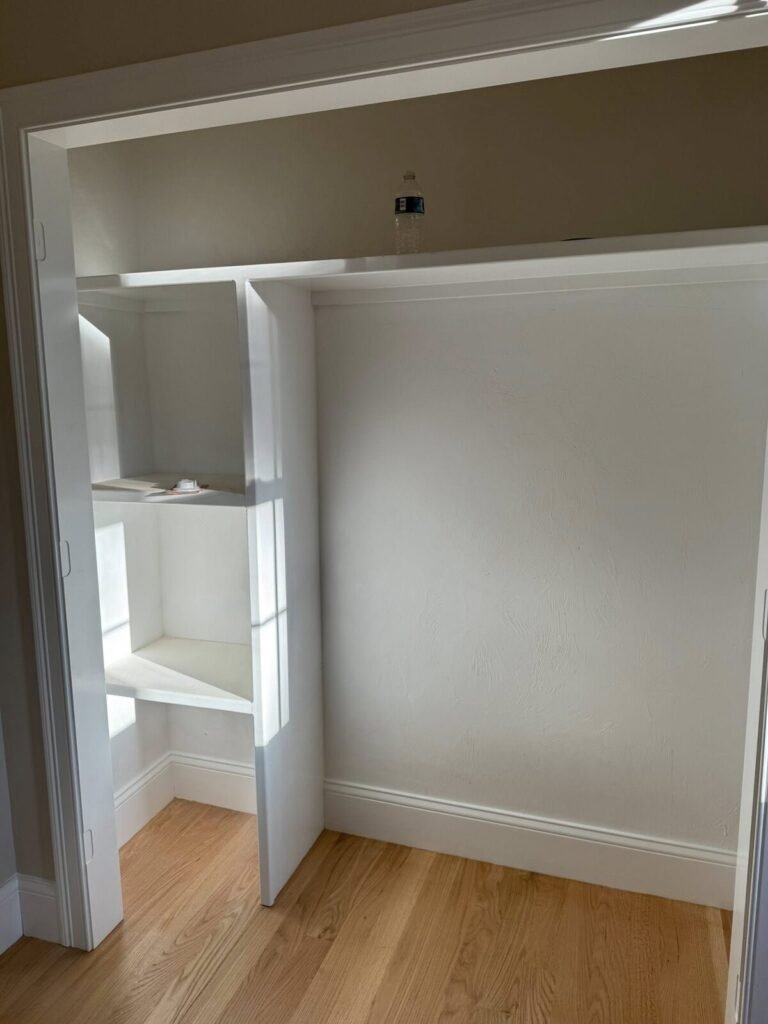
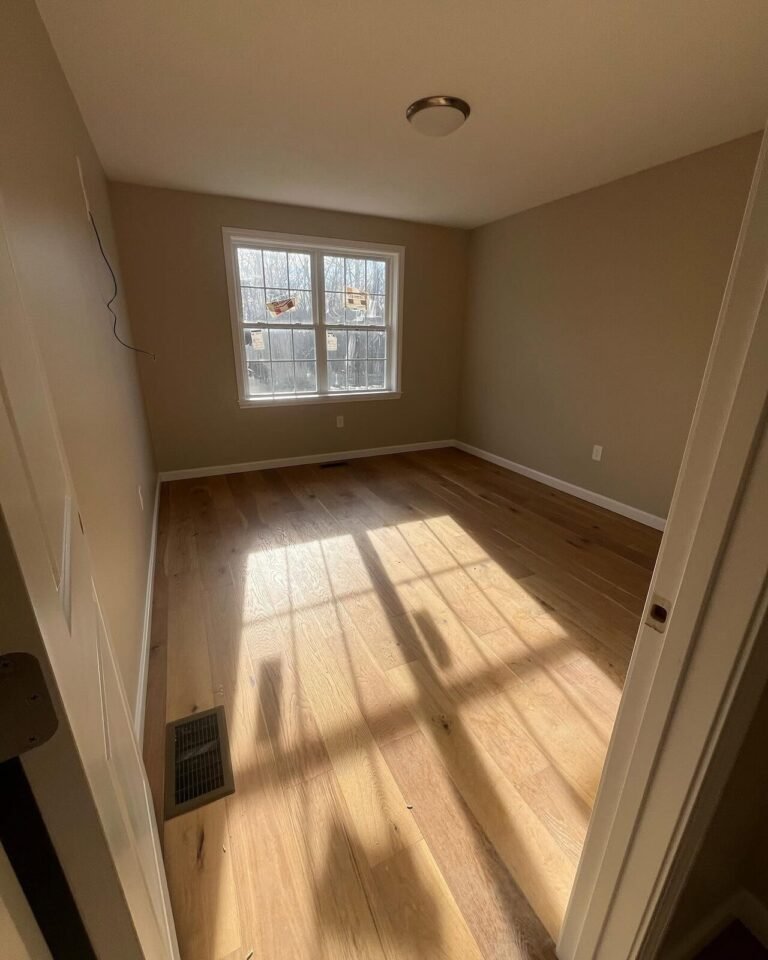
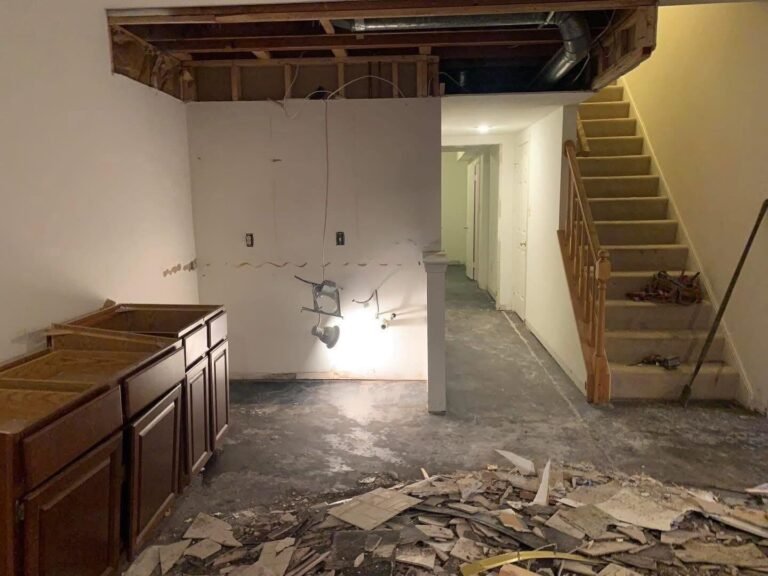
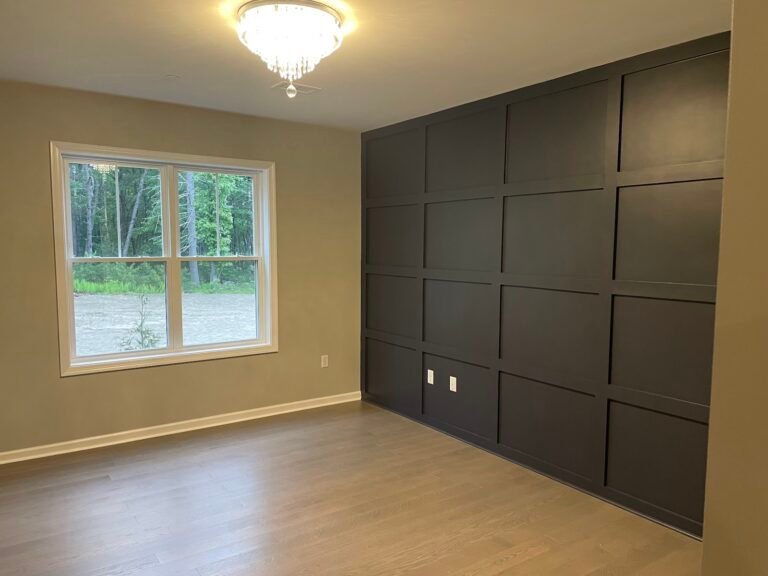
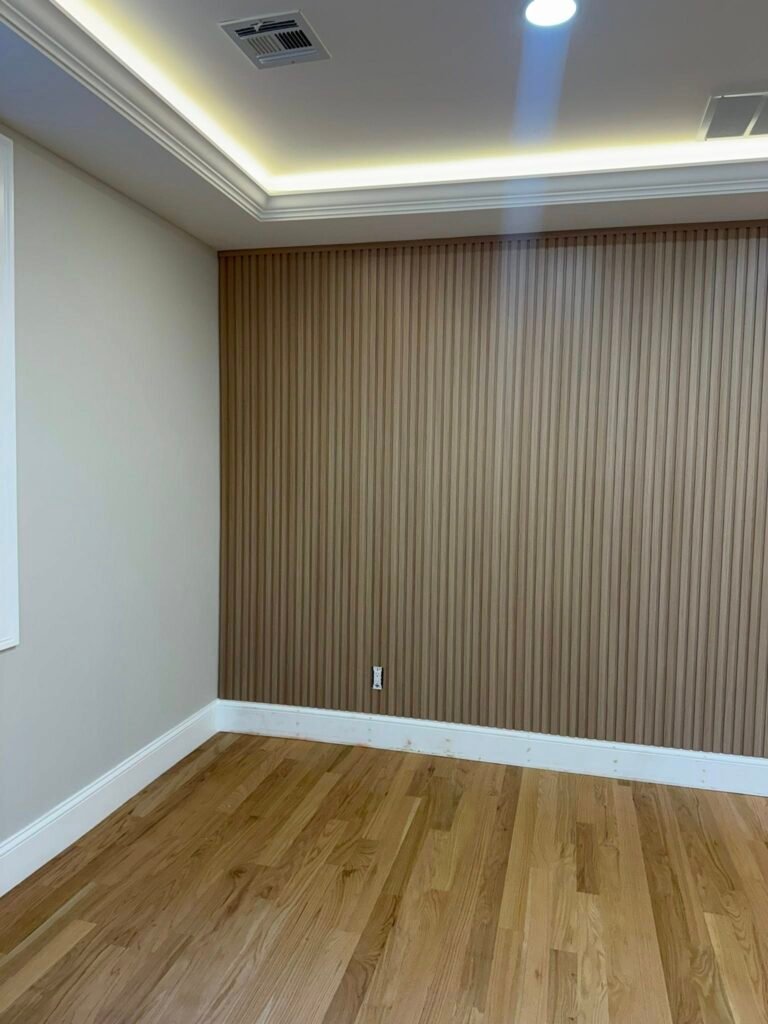
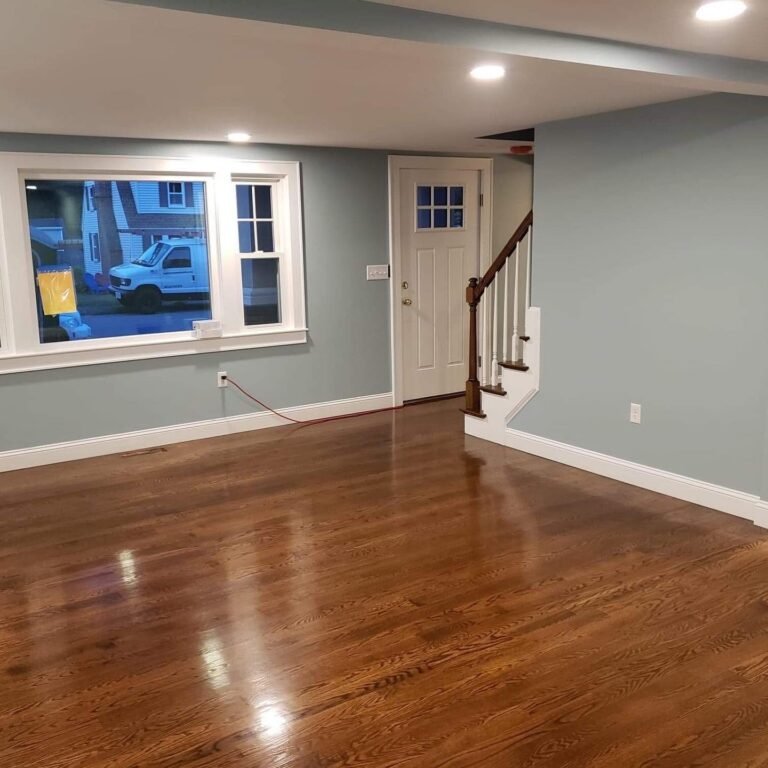
Real projects from our crew across Clinton, Worcester County and Central Massachusetts — 39 interior photos and counting in our gallery.
Why homeowners choose us
The JM All-Pro Standard With a Brush
5.0 ★ · 81+ verified reviews on Google, Facebook & Home Depot
What Homeowners Say About Our Painting
“I had JM All-Pro do interior painting in the whole first floor of our colonial in Andover. Living room, dining room, foyer, hallway, and the stairwell going up to the second floor. The wood trim is original and pretty dark, so cutting in along all that detail takes patience. They taped carefully, two coats throughout, and the lines along the trim are clean. Three guys, three days. They moved furniture themselves and put felt pads under everything they moved back.”
“Medford, busy parent here, two kids under five, working full time, no time to deal with house stuff. JM All-Pro made it easy. Texted when they were on the way, worked around nap time when I asked, kept the work areas clean so the kids wouldn’t get into anything, and finished when they said they would. They did interior painting in the nursery, drywall repair in the hallway, and fixed a closet door that had come off its track.”
“We hired them to paint the inside of our home, mainly the living room, hallway and two bedrooms. They arrived on time and made sure the furniture and floors were properly covered before starting, which I really appreciated. The job only took a few days and the paint came out smooth and even, with no stains or sloppy spots. Overall, everything was done carefully and we’re happy with how the rooms look.”
Good questions
Interior Painting in Clinton — FAQ
How much does interior painting cost in Clinton, MA?
In Central Massachusetts, a bedroom or average room runs $350–$900 (walls, two coats, full prep), a large living room runs $600–$1,200, and a bathroom runs $250–$600. A whole-house repaint of a ~2,000 sq ft home runs $4,000–$10,000 for walls only, or $7,000–$15,000 with ceilings and trim — roughly $3–$7 per square foot of floor area. See our 2026 Interior Painting Cost Guide for the full breakdown, then get your itemized price in writing.
How long does interior painting take?
A single room is typically done in a day. A full first floor runs two to four days — one of our reviews puts it plainly: three painters, three days, for a colonial’s entire first floor including the stairwell. A whole-house repaint usually runs about a week, sequenced room by room so your home keeps functioning. You get a written schedule upfront, and our reviews will tell you: we finish when we say we will.
How many coats do I really need?
Two — essentially always. One coat looks acceptable for a few weeks, then shows roller marks, thin spots and the old color ghosting through in raking light. “One-coat” paints are a marketing promise that holds only under perfect conditions on perfect walls, which real houses don’t have. For dramatic color changes — dark to light or the reverse — we add a tinted primer coat first, which is cheaper than fighting the change with extra finish coats and looks better forever.
What kind of paint do you use — and does quality really matter?
It matters more than almost anyone expects. Premium lines cover more completely, touch up invisibly, resist scuffs, and survive years of washing that strips builder-grade paint to the drywall. The price difference on a whole-house job is a few hundred dollars of material — the smallest upgrade-per-dollar decision in the entire project. We’ll show you the options side by side at the estimate and recommend by room: tougher finishes where hands and furniture live, softer ones where they don’t.
Which paint sheen should I use in each room?
The map that never fails: flat or matte on ceilings (hides everything, and nobody scrubs a ceiling), eggshell in living rooms and bedrooms (soft look, wipeable enough), satin in hallways, kids’ rooms and stairwells (the durable middle ground), and semi-gloss on trim, doors, kitchens and baths (scrubbable, and it makes woodwork pop). Getting the sheen right is half of what makes a professional job read professional.
My walls are old plaster — can you make them look new?
Yes — it’s a Clinton specialty of ours. Plaster cracks get properly repaired, and walls scarred by decades of bad patches get skim-coated and feathered until the old damage genuinely disappears; one of our reviews says you “cannot tell where the old plaster ends.” The honest caveat: hairline settling cracks are cosmetic and fixable, while recurring or widening cracks can signal movement worth investigating — and as a full remodeling contractor, we can tell you which yours are instead of just painting over the question.
My home was built before 1978 — what about lead paint?
Take it seriously, calmly. Homes built before 1978 — which includes most of downtown Clinton — may have lead in their original paint layers. Painting over intact surfaces is generally safe; the risk comes from disturbing old layers with heavy sanding or scraping, which calls for lead-safe practices: containment, careful methods and thorough cleanup, especially with young children in the home. Bring it up at your estimate — we plan the prep around it, and it’s a conversation the lowest bid never starts.
Do I have to move all my furniture before you arrive?
No — that’s part of the job. We move furniture to the center of each room or out entirely, wrap and cover everything, protect the floors wall to wall, and put it all back when we’re done — with felt pads under the pieces we return, a detail straight from one of our reviews. The only things we ask you to handle are fragile valuables and anything personal you’d rather move yourself.
Can we stay in the house while you paint?
Almost always, yes. Modern low-VOC paints have little odor, and we sequence the work room by room so you always have livable space — bedrooms finished early enough to air out before night, kitchens and baths timed around your routine. We’ve worked around nap times, work-from-home calls and school pickups; one of our reviews is from a parent of two toddlers who barely noticed we were there. Tell us how your household runs and we’ll build the schedule around it.
Do you paint kitchen cabinets?
Yes — and it’s one of the best-value projects in a home. Done properly, painted cabinets look factory-finished and transform a kitchen for a fraction of replacement cost. “Properly” is the key word: degreasing, thorough sanding, a bonding primer made for cabinetry, and smooth finish coats — skip any step and the finish peels within a year. If your kitchen needs more than paint, see our kitchen remodeling in Clinton page for the full picture.
Do you do rental turnover painting for landlords?
Constantly — it’s a Clinton specialty. Turnover repaints for triple-deckers and rental units run on a different playbook: durable scuff-resistant finishes, fast schedules between leases, and clean invoices for your records. One of our landlord clients had a two-bedroom rented within a week of our final coat. If you run units in Clinton, we’re the number worth saving.
Do you speak Spanish? ¿Hablan español?
Sí. Atendemos a nuestros clientes en español e inglés — desde la elección de colores hasta la entrega del proyecto. Llámenos al (508) 925-0396.
Where we work
Painting Interiors in Clinton and Beyond
Based at 208 Walnut St in Clinton, we paint homes across northern Worcester County. Doing more than paint? See our kitchen remodeling, bathroom remodeling, basement finishing, ADUs & additions, deck building, or our full Clinton remodeling services.
The biggest change per dollar in your house
Get Your Painting Estimate — Itemized, In Writing
One free visit: we walk every room, flag the wall repairs your finish depends on, put color samples on your actual walls, and give you an itemized price you can compare against any quote in town. Prefer to talk?
(508) 925-0396English & Español · 208 Walnut St, Clinton, MA 01510
Request my free estimate
Tell us what needs paint — one room, the whole first floor, the cabinets, all of it. Photos of the space help.
Get My Free EstimateFree, no obligation · Financing available