Pergola & Outdoor Structures Shade, shelter, and a reason to stay outside longer.
MA contractor for custom pergolas, pavilions, gazebos, arbors, and shade structures. Western red cedar, pressure-treated pine, and vinyl/composite materials. Frost-depth footings, engineered for MA snow loads, and built to complement your patio, deck, or garden.
The Room That Doesn’t Need Walls
A pergola turns a patio from a flat slab into a destination. A pavilion turns a backyard into an all-weather entertaining space. A gazebo creates a focal point you actually walk toward instead of past. Outdoor structures define space without enclosing it — they create the feeling of a room using posts, beams, and sky instead of drywall and ceilings.
In Massachusetts, outdoor structures need to do more than look good in July. They need to handle 40+ PSF snow loads, resist 80+ freeze-thaw cycles per year, and stand through nor’easters without losing structural integrity. A pergola built with deck screws and construction adhesive won’t survive its second MA winter. One built with frost-depth footings, proper post bases, and engineered connections will outlast the house.
At JM All-Pro Services, we build outdoor structures as permanent landscape features — not decorative accessories. Western red cedar or pressure-treated lumber, concrete footings to 48-inch frost depth, galvanized or stainless steel hardware, and beam sizing that handles real snow loads. Custom designed to fit your existing patio, deck, or garden layout.
Outdoor Structures We Build
Each structure type serves a different outdoor living purpose. The most requested in Massachusetts:
Pergolas
Most PopularOpen-roof structures with spaced rafters creating dappled shade. Freestanding or attached to the house. The most versatile outdoor structure — defines dining areas, shades seating, supports climbing plants, and frames views without blocking sky.
- Freestanding or house-attached
- Open rafters for partial shade
- Retractable canopy option
- Wisteria/grape vine support
- String light mounting built-in
Pavilions
Full ShelterCovered open-air structures with solid roofing — full rain and sun protection while remaining open on all sides. Perfect for outdoor kitchens, dining areas, and entertaining spaces that need weather protection year-round.
- Solid roof (shingles or metal)
- Rain protection while open
- Outdoor kitchen compatible
- Ceiling fan mounting
- Electrical for lights + outlets
Gazebos
Garden Focal PointFreestanding covered structures — typically hexagonal or octagonal with a peaked roof. Classic garden focal point. Often placed at the end of a walkway or garden path. Can be screened for bug-free summer evenings.
- Hexagonal or octagonal shape
- Peaked or bell roof
- Screen panel option
- Built-in bench seating
- Garden path destination
Arbors & Trellises
Garden AccentsSmaller structures — garden entry arches, pathway overhead features, and vine-support trellises. Create vertical interest and define transitions between outdoor zones. Often paired with gates, walkways, or garden beds.
- Garden entry archways
- Vine and climbing plant support
- Gate integration available
- Walkway overhead accent
- Compact footprint
Shade Sails & Canopy Frames
Modern ShadeSteel or wood post structures designed to support tensioned shade sails or retractable fabric canopies. Modern aesthetic alternative to traditional pergolas. Lighter visual weight, dramatic angular lines. Sails removable for winter.
- Modern/contemporary look
- Removable fabric for winter
- Steel or wood posts
- Multiple sail configurations
- UV-blocking fabric
Outdoor Kitchen Structures
Cook OutsideCovered structures specifically designed to shelter outdoor cooking areas — built-in grill, counter, sink, and prep space underneath a weatherproof roof. Combines pavilion shelter with kitchen-specific features.
- Grill + counter shelter
- Vented roof for smoke
- Electrical for appliances
- Water for outdoor sink
- Stone or composite counters
Materials Built to Survive MA Outdoors
Outdoor structures face full weather exposure — UV, rain, snow, ice, and humidity 365 days a year. Material choice determines whether the structure looks good for 5 years or 30:
Western Red Cedar
Natural rot resistance, beautiful warm color, ages to silver-gray if left unstained. The premium wood choice for pergolas. Lightweight, stable, takes stain beautifully. 20-30 year lifespan with periodic sealing.
Pressure-Treated Pine
Most affordable structural wood. Chemical treatment resists rot and insects. Must be stained or painted after drying (6-12 months). Heavier than cedar. 20+ year lifespan with proper maintenance.
Vinyl / Composite
Zero maintenance — never paint, stain, or seal. White or limited color options. Won’t rot, warp, or attract insects. Less natural appearance than wood. Best for homeowners who want zero upkeep.
Aluminum / Steel
Powder-coated metal for modern and contemporary designs. Thinner profiles than wood, clean lines. Extremely durable. Supports shade sails and canopy systems. Custom fabricated to specification.
Features & Add-Ons
Outdoor structures become outdoor rooms when you add the right features:
String Light Hooks
Screw hooks or eye bolts at rafter spacing for permanent string light mounting. Plan wiring during construction — much easier than retrofitting.
Retractable Canopy
Slide-on shade fabric between pergola rafters. Pull closed for full shade, retract for open sky. Removed in winter to prevent snow load damage.
Ceiling Fan
Outdoor-rated ceiling fan under pavilion or covered pergola roof. Requires electrical run during construction. Hugger-mount for lower clearance.
Electrical + Outlets
Weatherproof GFCI outlets on posts for blenders, speakers, phone charging. Wiring run through posts during construction.
Privacy Panels
Lattice, slatted, or louvered panels on one or two sides for privacy screening from neighbors. Can support climbing plants.
Built-In Planters
Planter boxes integrated into post bases. Frame the structure with flowers and greenery. Cedar or composite with drainage.
Screen Panels
Removable or permanent screen panels for bug-free evenings. Spring-loaded screen doors for gazebos. Essential for MA mosquito season.
Hot Tub Integration
Pergola or pavilion sized and positioned over hot tub pad. Privacy panels on sides, overhead shelter from rain. Designed for weight load around tub.
Our Building Process
Custom outdoor structures take 5-10 days from footing to finish depending on complexity:
Design Consultation
On-site meeting. Measure the space, discuss style, size, material, and features. Position relative to sun exposure, views, and existing patio or deck.
Plans + Permit
Detailed drawings with dimensions. Permit application if required (most towns require permits for attached structures and structures over certain size). Material order.
Footing Excavation
Post holes excavated to 48-inch frost depth. Sonotube forms set. Concrete footings poured with post anchor hardware cast in. 24-48 hour cure.
Post Setting
Posts mounted to footing anchors — plumb, level, and braced. Post heights verified for beam and rafter placement. Temporary bracing holds everything during construction.
Beams + Rafters
Cross beams mounted to posts with engineered connectors. Rafters spaced and fastened. Roof sheathing on pavilions. All connections galvanized or stainless hardware.
Electrical + Features
Wiring through posts for lights and outlets (if included). Canopy hardware. Privacy panels. Screen panels. Built-in planters. Fan mounting.
Finishing + Stain
Final trim details. Post caps. Decorative brackets. Stain or sealant applied (cedar). Cleanup. Walkthrough.
What Affects Outdoor Structure Cost
Structure Type
Arbors simplest and most affordable. Pergolas mid. Pavilions with solid roofs highest. Gazebos premium for complex geometry.
Size / Footprint
More posts, more beams, more footings, more material. 10×10 simplest. 12×16 mid. 16×20+ large-scale.
Material
Pressure-treated pine cheapest. Western red cedar premium. Composite mid-high. Aluminum/steel custom pricing.
Roof Type
Open rafters (pergola) cheapest. Solid roof with shingles (pavilion) adds significant cost for sheathing and roofing.
Features
Each add-on increases cost: electrical, canopy, privacy panels, screens, fans, planters. Budget for features you’ll actually use.
Attached vs Freestanding
Attached pergolas mount to house — require ledger board and flashing (like a deck). Freestanding needs 4+ footings but no house modification.
Foundation Surface
Structure over existing patio cheapest (footings between pavers). Over grass needs new footings. Over deck requires structural integration.
Permit Requirements
Some towns require permits for structures over a certain size or attached to the house. Engineering may be needed for large pavilions.
Why Choose JM All-Pro for Outdoor Structures
iSnow Load Engineered
40+ PSF snow load on every structure. Rafter sizing, beam connections, and post dimensions handle real MA winter weight — not just summer aesthetic.
iiMA Licensed
CSL #121166, HIC #214808. Insured. General contractor with structural framing capability — not a landscape-only company.
iiiFrost-Depth Footings
Every post on a 48-inch concrete footing below MA frost line. No surface-mount post bases that heave in winter.
ivEngineered Connections
Simpson Strong-Tie or equivalent galvanized/stainless hardware at every beam-to-post and rafter-to-beam connection. Not just screws and nails.
vCustom Design
Every structure sized and detailed for your specific space. Not a kit pergola assembled to fixed dimensions.
viElectrical Capability
We run electrical during construction — wiring through posts for lights, fans, and outlets. Much cleaner than surface-mounting after the fact.
viiPatio + Deck Integration
We build patios, decks, and outdoor structures — so the structure integrates perfectly with the surface underneath. One contractor, coordinated design.
viiiWestern Red Cedar Standard
We recommend and stock western red cedar — the premium pergola wood. Natural rot resistance, beautiful color, takes stain perfectly.
⌸ Outdoor Structure Service Areas
Based in Clinton, MA. Pergola and outdoor structure installation across Worcester County, Middlesex County, and MetroWest:
Related Services
Pergola & Outdoor Structure FAQs
How much does a pergola cost in Massachusetts?
Pergola cost depends on size, material, features, and whether it’s freestanding or attached. A simple 10×10 pressure-treated pergola is the most affordable option. A 12×16 western red cedar pergola with electrical and retractable canopy is mid-range. Large pavilions with solid roofs and outdoor kitchen integration are premium projects. Written estimates after on-site design consultation.
Do I need a permit for a pergola?
It depends on your town and the structure type. Many towns don’t require permits for open-roof freestanding pergolas under a certain size. Attached pergolas (bolted to house) typically require permits because they modify the house structure. Pavilions with solid roofs almost always require permits. Gazebos vary by town. We check your specific town’s requirements during the design phase.
What’s the difference between a pergola and a pavilion?
A pergola has an open roof — spaced rafters that create partial, dappled shade but don’t block rain. A pavilion has a solid roof (shingled or metal) that provides full rain and sun protection while remaining open on all sides. Pavilions cost more due to roofing materials and engineering but provide all-weather outdoor shelter. Pergolas are lighter, more affordable, and allow more sky and airflow.
Will a pergola survive MA winters?
Yes — when properly built. The key factors are frost-depth footings (48 inches below grade so posts don’t heave), snow-load-rated beam and rafter sizing (40+ PSF), and galvanized or stainless hardware at every connection. Pergolas with retractable canopies should have canopy fabric removed before winter to prevent snow accumulation on the fabric. The wood structure itself handles snow fine if sized correctly.
Should I use cedar or pressure-treated pine?
Western red cedar is the premium choice — natural rot resistance, beautiful warm color, lighter weight, dimensionally stable, and takes stain beautifully. Pressure-treated pine is more affordable, equally strong, and rot-resistant through chemical treatment, but heavier, needs 6-12 months to dry before staining, and doesn’t have the same natural beauty. Cedar costs roughly 30-40% more than pressure-treated for the same structure.
Can you attach a pergola to my house?
Yes. Attached pergolas mount to the house wall using a ledger board — similar to how a deck is attached. Proper flashing behind the ledger is critical to prevent water intrusion into the wall cavity. The house-side connection eliminates two posts and creates a clean transition from indoor to outdoor living. Attached pergolas typically require a building permit.
Can I add a retractable canopy?
Yes. Retractable shade canopies slide on cables or tracks between pergola rafters. Pull them closed for full shade on hot days, retract them for open sky. UV-blocking outdoor fabric in various colors. We install the hardware during construction so it’s integrated, not afterthought-looking. Canopy fabric should be removed before winter snow season.
Can you build over my existing patio?
Yes — this is very common. We install footings between existing patio pavers or alongside the patio edge. The pergola or pavilion posts sit on footings that go through or around the existing patio surface. No need to remove and rebuild the patio. We can also build new patio and pergola as one coordinated project.
What about bugs?
For bug-free outdoor living, screen panels can be added to pergolas, pavilions, and gazebos. Removable screen panels let you go open in early season and screened in peak mosquito months (July-September in MA). Gazebos with permanent screens and a spring-loaded screen door are the most effective bug-free outdoor room.
How do I get started?
Call (508) 925-0396 or submit the quote form. Tell us what you’re envisioning — pergola over patio, freestanding pavilion, garden gazebo, or something else. We schedule a free on-site design consultation, measure the space, discuss materials and features, and follow up with a custom design and written estimate.
⌸ Your Backyard Deserves a Ceiling
Free on-site design consultation. Custom-sized pergolas, pavilions, gazebos, and arbors. Western red cedar or pressure-treated pine. Frost-depth footings, snow-load engineering, galvanized hardware. Built to outlast the patio underneath.
Recent Projects
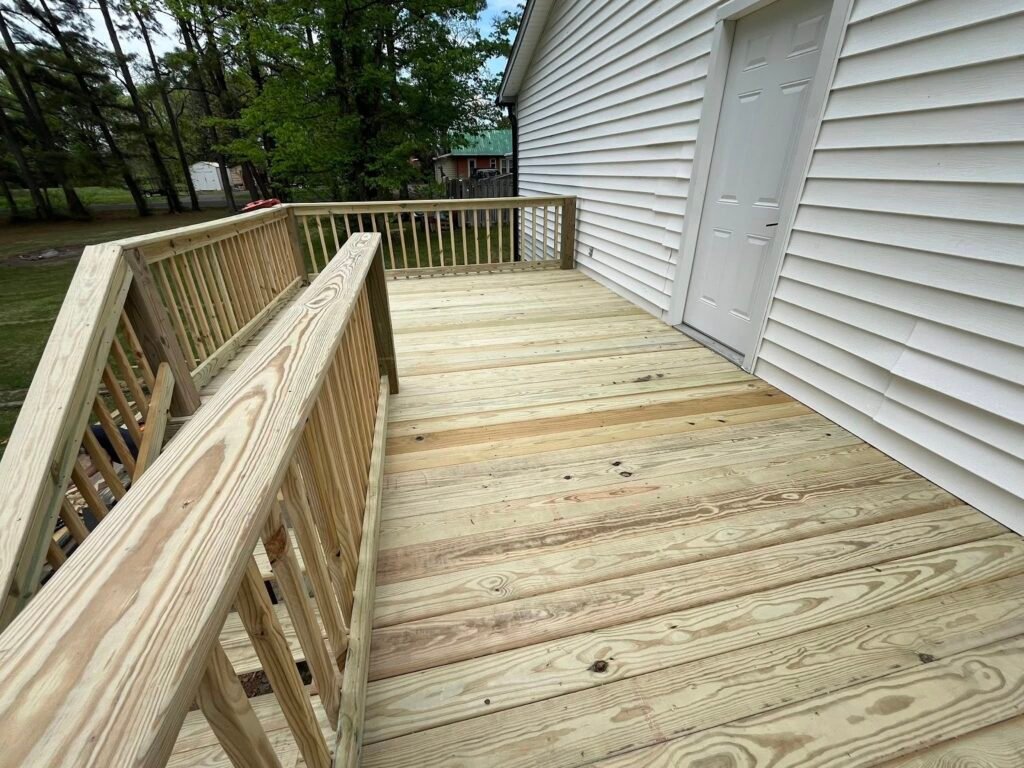
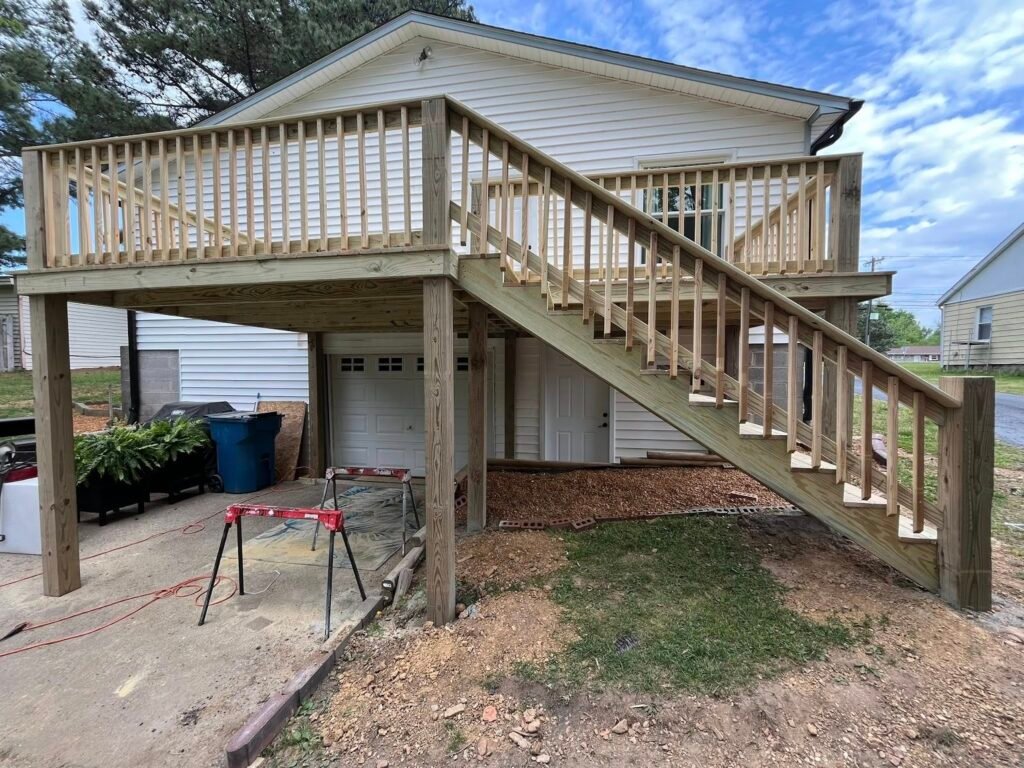
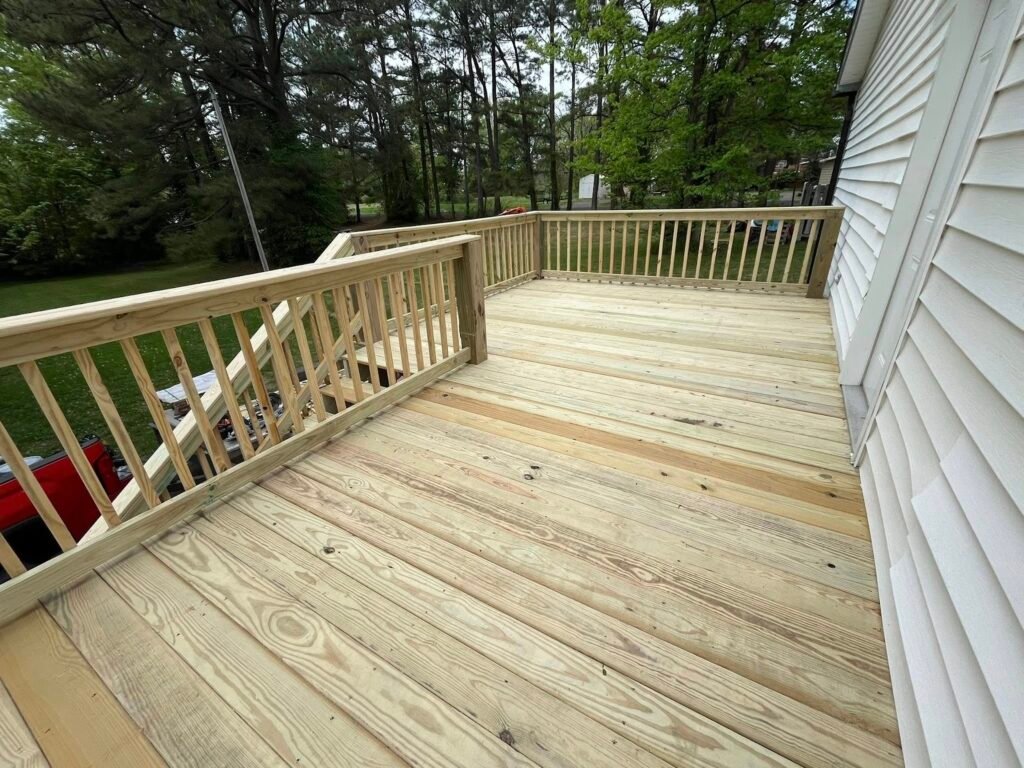
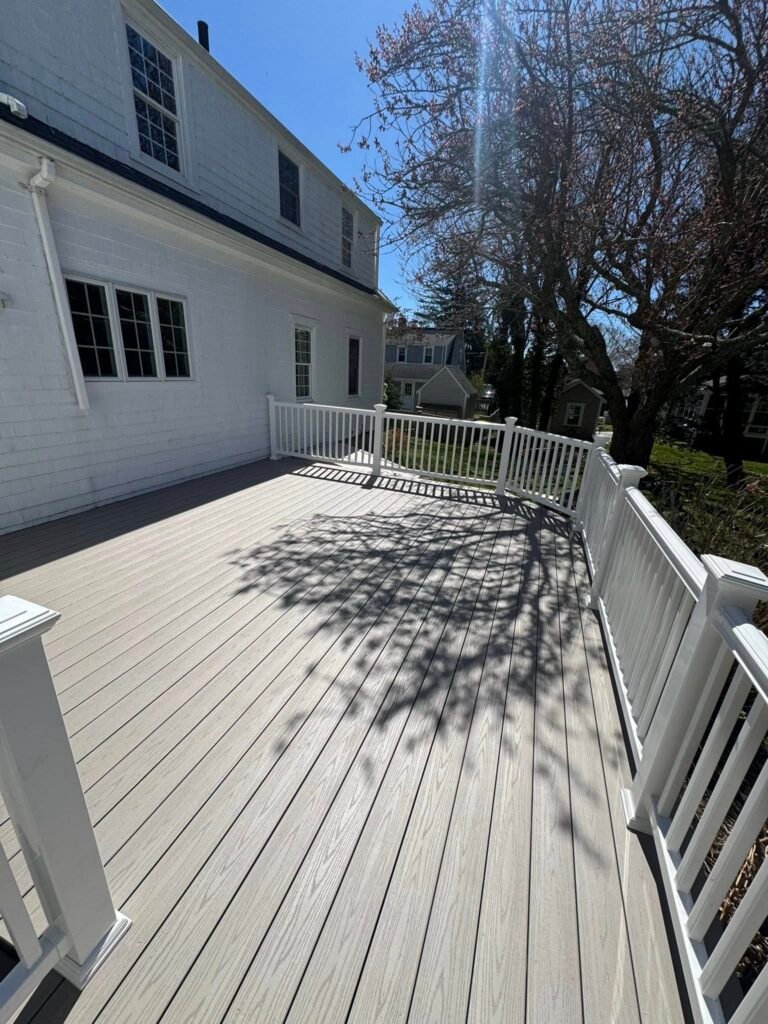
A few real deck building projects completed by our team across Worcester County & Central MA. View our full project gallery →