Fence Installation Privacy, security, curb appeal — properly installed and built to last.
MA contractor installing cedar, pressure-treated wood, vinyl, chain link, aluminum, and ornamental iron fences across single-family homes, rentals, and multi-family properties. Code-compliant, frost-depth posts, properly anchored, neighbor-friendly setbacks.
A Fence Done Right Lasts 20-30 Years. Done Wrong, 5.
Fences look simple. Posts in the ground, panels between them. But the work is full of details that decide whether it lasts two decades or starts leaning after the first hard winter. Post depth (frost line is 48″ in MA — shallower posts heave). Concrete vs gravel base. Rail attachment method. Picket spacing for wind. Property line setback. Underground utility marking.
At JM All-Pro Services, we install fences across Worcester County and MetroWest. Wood, vinyl, chain link, aluminum, ornamental iron. Residential and rental properties. Each install includes proper frost-depth post setting, Dig-Safe coordination, and code-compliant setbacks. The fence we put in this year is the fence still standing in 2046.
Fence Types We Install
The right fence depends on what you need it to do — privacy, security, pet containment, decorative, or property line definition. The six main material options for MA homes:
Cedar Picket Fence
Classic New England look. Natural rot resistance, weathers to silver-gray, or stain to maintain warm tone. Pickets spaced 1-2″ apart.
- Naturally rot-resistant
- Easy to repair piece-by-piece
- Beautiful aging
Vinyl / PVC Fence
Zero maintenance. Never paint, stain, or seal. White or tan options. Privacy panels, picket styles, or semi-private with lattice tops.
- Never needs paint/stain
- Won’t rot, warp, or split
- 30+ year warranty common
Wood Stockade / Privacy Fence
Solid wood panels — no gaps. Pressure-treated pine or cedar boards tight-fit for complete privacy. The standard backyard privacy fence.
- Full visual privacy
- Wind block + sound dampening
- Affordable per linear ft
Chain Link Fence
Galvanized steel mesh on metal posts. Most affordable per linear ft. Pet containment, large yards, commercial properties.
- Lowest cost option
- Highly durable galvanized
- See-through (good for views)
Aluminum Fence
Powder-coated aluminum looks like wrought iron without the rust. Common around pools — meets MA pool code. Permanent finish.
- Never rusts
- Pool code compliant (4′ min)
- Elegant ornamental look
Ornamental Iron Fence
Traditional wrought iron or steel ornamental fencing. Decorative tops (finials, spear points), front-yard formal applications.
- Premium curb appeal
- Historic-home appropriate
- Strong + secure
Why Property Owners Install Fences
Fences solve different problems for different people. Knowing your primary purpose drives material, height, and design choices. The most common reasons MA homeowners install fencing:
iPrivacy from Neighbors
Block sight lines from neighboring yards, decks, second-story windows. Stockade or vinyl privacy at 6′ height.
iiPet Containment
Keep dogs in the yard safely. Picket or chain link, minimum 4′ for medium dogs, 5-6′ for large or jumpers.
iiiChild Safety
Define yard boundary for young kids. Stop running into street, into pools. Picket fences with self-closing gates.
ivPool Code Compliance
MA requires 4-foot minimum barrier around pools (4′-6′ depending on town). Self-closing, self-latching gates required.
vProperty Line Definition
Mark legal property lines clearly. Helps with future surveys, prevents encroachment claims, deters trespassing.
viCurb Appeal & Aesthetics
Front-yard ornamental fences add character and value. Historic picket or wrought iron complement traditional MA homes.
viiWind & Sound Blocking
6′ solid stockade or vinyl reduces wind exposure for outdoor seating and dampens road noise from busy streets.
viiiRental Property Security
Multi-family properties use fencing to define tenant spaces, secure parking areas, and reduce liability exposure.
Standard Fence Heights for MA Properties
Fence height affects cost, code, and function. Most MA towns regulate maximum heights particularly for front yards. Common applications by height:
Decorative / Front Yard
Picket, ornamental iron. Front yard. Pool border (some towns 4’+).
Pet Containment / Pool
MA pool code minimum. Most pet fencing. Mid-yard decorative.
Large Dogs / Light Privacy
Tall pets. Some town pool codes. Semi-privacy yards.
Backyard Privacy Standard
Full visual privacy. Standard stockade/vinyl. Most MA back yards.
MA Regulations & Town Bylaws
▸ Each town sets its own fence rules — we verify before installMassachusetts fence law combines state regulations, town zoning bylaws, and historic-district rules. Most fence work doesn’t require state permits, but town requirements vary significantly. Common rules we verify:
Max Front Yard Height
Most MA towns cap front yard fences at 4′. Some allow only 3′ or only specific styles.
Max Side/Back Yard Height
Side and back yards typically 6′ max, but some towns cap at 7′ or 8′. We verify.
Property Line Setback
Most towns require 6″-18″ inside your property line. Some allow on-line if shared.
Pool Code (MA 521 CMR)
4′ minimum barrier all sides, self-closing/self-latching gate, no climbable features.
“Finished Side” Rule
Many towns require finished/decorative side facing the neighbor — rough side faces you.
Historic District Approval
Homes in historic districts may need Historic Commission approval before fence install.
Dig-Safe Required
MA M.G.L. c. 82, § 40: must call Dig-Safe (811) 72 hours before any digging.
HOA Restrictions
Private HOA covenants may restrict materials, colors, heights beyond town rules.
What Goes Into a Quality Fence Install
A long-lasting fence requires multiple components working together. Skipping any of these is how fences fail in 5-7 years instead of 20-30:
Dig-Safe Marking
Call 811 at least 72 hours before digging. Underground utilities marked. Required by MA law.
Property Line Verification
Reference survey, locate property pins, set fence inside line per town setback rules.
Frost-Depth Post Holes
48″ deep minimum (MA frost line). Shallower posts heave with winter ground freeze.
Concrete Footings
4,000 psi concrete around posts. Sloped top sheds water away from post for longevity.
Pressure-Treated / Cedar Posts
Posts are the most-rotted part of any fence. Use pressure-treated (ground contact rated) or cedar.
Galvanized Hardware
Hot-dipped galvanized nails, screws, brackets. Standard fasteners rust in 2-3 years.
Top + Bottom Rails
Two horizontal rails between posts (three for fences over 6′). Holds pickets in alignment.
Picket/Panel Installation
Pickets attached to rails with proper spacing for wind load and visual symmetry.
Post Caps
Caps protect end-grain of posts from water entry. Wood, copper, or decorative.
Gates + Hardware
Self-closing hinges (required for pools), drop-rod latches, heavy-duty brackets to prevent sag.
Our Fence Installation Process
Most fence installations complete in 4-7 days from start to finish depending on length and material. Here’s the standard sequence:
On-Site Walk + Measure
Walk the property, measure linear feet, discuss style and material, review property pins, identify town setback requirements.
Written Estimate + Material Order
Detailed scope and estimate. Once approved, materials ordered. Typical delivery 5-10 business days.
Dig-Safe Call
Call 811 minimum 72 hours before digging. Underground utilities marked across fence line.
Layout + String Lines
String lines snapped along fence line. Post locations marked. Final neighbor courtesy check.
Dig Post Holes
Holes dug to 48″ frost depth. Auger or hand-dig depending on terrain. Spoil piled neatly.
Set Posts in Concrete
Posts placed plumb, concrete poured around base, sloped tops to shed water. 24-hour cure.
Install Rails
Top and bottom rails attached between posts. For taller fences, middle rail too.
Install Pickets / Panels
Pickets or panels attached to rails with galvanized fasteners. Proper spacing maintained.
Install Gates + Final Touches
Gates hung with proper hardware. Post caps installed. Site cleaned. Walkthrough with owner.
What Affects Fence Installation Cost
Fence cost depends on these factors. Linear feet is the biggest driver — material is second:
Linear Footage
Total length of fence is the primary cost driver. Per-foot pricing scales with total.
Material Choice
Chain link cheapest. Pressure-treated wood low-mid. Cedar mid. Vinyl mid-high. Aluminum/iron premium.
Height
4′ fence material vs 6′ material difference. Taller fences also need stronger posts.
Number of Gates
Each gate adds hardware, framing, and labor. Single gates vs double-drive gates differ.
Terrain
Flat lawn easiest. Sloped yards need step-down or contoured installs. Rocks require equipment.
Tree Roots / Obstacles
Mature tree roots, large rocks, or shallow utilities slow digging significantly.
Old Fence Removal
Removing existing fence and hauling away adds 10-20% to project cost.
Permit Fees (If Required)
Most towns no permit needed. Some require for fences over certain height — minor fee.
Why Choose JM All-Pro for Fence Installation
iFrost-Depth Posts Always
48″ post holes minimum. We don’t shortcut depth to save time. Posts that don’t heave.
iiDig-Safe Coordination
We call 811 every job, every time. Required by MA law and prevents utility strikes.
iiiTown Bylaw Knowledge
Each MA town has different fence rules. We verify yours before install — no surprises.
ivMulti-Material Capable
Wood, vinyl, chain link, aluminum, iron — we install all standard fence types.
vGalvanized Hardware
Hot-dipped galvanized fasteners only. Standard screws rust and fail in 2-3 years.
viMA Licensed
CSL #121166, HIC #214808. Liability and workers comp insured.
viiPool Code Familiar
521 CMR pool barrier requirements known. Self-closing/self-latching gates done right.
viiiProperty Line Care
We work from your property pins. No encroachment on neighbor land. Clean setbacks.
Fence Installation Service Areas
Based in Clinton, MA. Fence installation across Worcester County, Middlesex County, and MetroWest:
Related Services
Fence Installation FAQs
How much does fence installation cost per linear foot in MA?
Cost varies significantly by material and height. Chain link is the lowest-cost option per linear foot. Pressure-treated wood is low-mid range. Cedar is mid range. Vinyl is mid-high. Aluminum and ornamental iron are premium tiers. Heights affect cost — 6′ fences cost more per foot than 4′ fences due to material and post strength requirements. We provide written estimates after on-site measure.
Do I need a permit to install a fence in Massachusetts?
Most MA towns do not require permits for residential fences under 6′ tall. Some towns require permits for fences over 6′, for fences in front yards, or in historic districts. Pool fences have specific code requirements (MA 521 CMR) that must be met. We verify your specific town’s requirements before installation.
How deep should fence posts go in Massachusetts?
48″ minimum (the MA frost depth). Posts set shallower than frost depth heave when the ground freezes in winter, causing the fence to lean, lift, or fail over time. We always set posts to 48″ depth or deeper, packed in concrete.
What’s the best fence material for Massachusetts weather?
Cedar and vinyl handle MA winters best. Cedar’s natural rot resistance handles freeze-thaw cycles, ice, and snow load. Vinyl is essentially weatherproof — no painting, no rotting, no warping. Pressure-treated wood works well too with proper hardware. Chain link is extremely durable. Untreated wood is the worst choice — fails fast in MA climate.
Do I need to call Dig-Safe before installing a fence?
Yes — Massachusetts law (M.G.L. c. 82, § 40) requires calling Dig-Safe at 811 at least 72 hours before any digging. We always make this call. Failure to call can result in striking utility lines, causing dangerous gas leaks, electrical shocks, water main breaks, or fiber optic damage — plus heavy fines.
Which side of the fence faces my neighbor?
Many MA towns have “finished side” rules requiring the better-looking (finished) side of the fence to face the neighbor — the rough/post side faces your yard. Some homeowners install “good neighbor” or “shadow box” fences that look the same on both sides. We discuss this with you during scoping.
How long does fence installation take?
Standard residential installations: 4-7 days from start to finish. Day 1-2 dig holes and set posts. 24-hour concrete cure. Day 3-7 rails, pickets/panels, gates, cleanup. Length of fence affects timeline — 500+ linear feet may extend to 10-14 days. Bad weather can pause work.
Can you install a pool fence in MA?
Yes — pool fencing has specific MA code requirements (521 CMR 1.00). Minimum 48″ height all sides of pool, no climbable features in protected zone, self-closing and self-latching gates with latch on pool-side at minimum 54″ height. We install pool-code-compliant fencing including aluminum, vinyl, and chain link options.
Will you remove my old fence as part of the install?
Yes. Old fence removal is typically a separate line item in the estimate (10-20% of project cost depending on length and material). We remove all fence material, posts, and hardware, fill post holes if relocating fence line, and haul away debris. Concrete footings can usually stay underground if new posts are in different locations.
How do I get started?
Call (508) 925-0396 or submit the quote form. Tell us approximate linear feet, preferred material, intended purpose (privacy, pets, pool, etc.), and any specific town concerns. We schedule a free on-site walkthrough, measure precisely, verify town setback rules, and follow up with a written estimate.
Ready for a Fence That Lasts?
Free on-site measure and written estimate. Frost-depth posts, galvanized hardware, town bylaw verification. Materials ordered to your specs, installation completed in 4-7 days for most residential projects.
Recent Projects
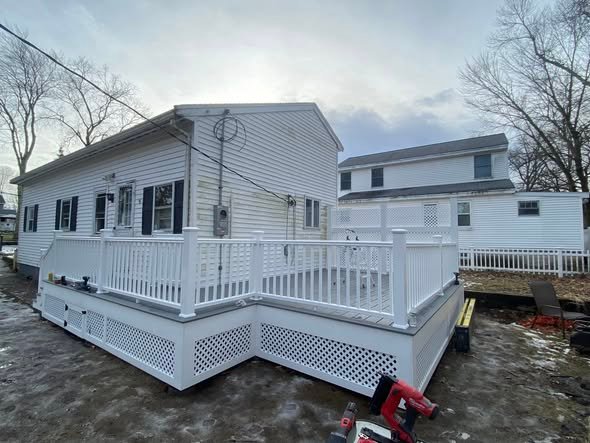
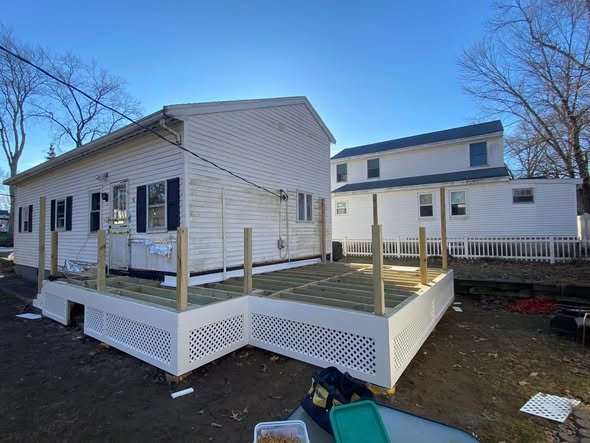
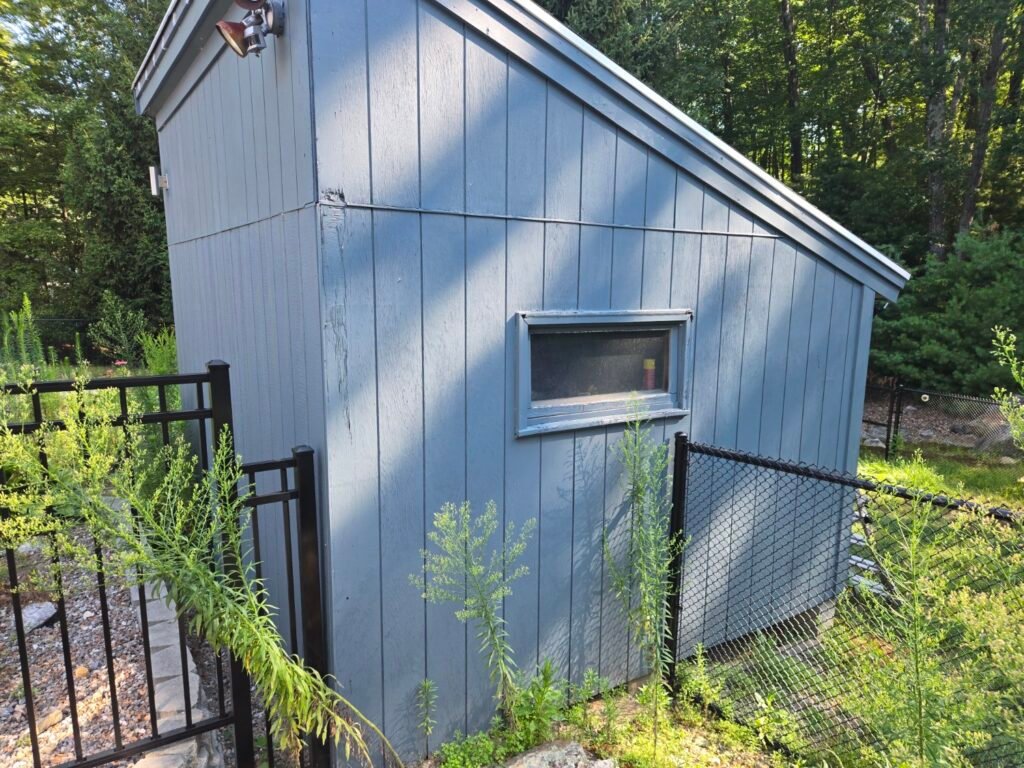
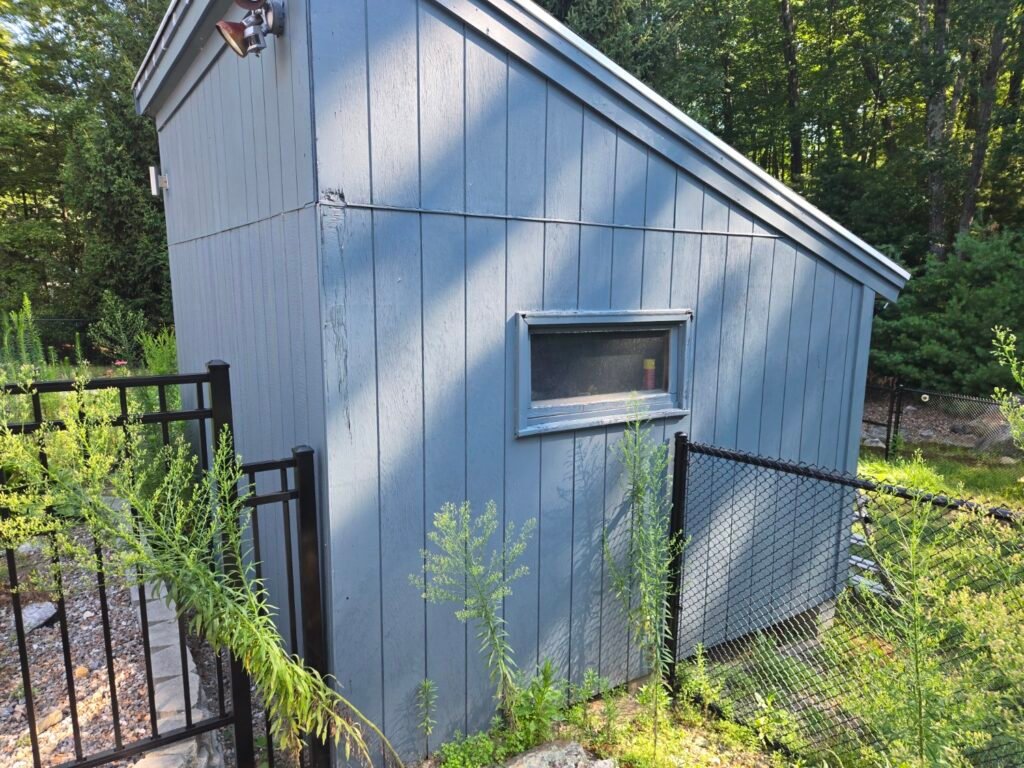
A few real exterior remodeling projects completed by our team across Worcester County & Central MA. View our full project gallery →