Garage to Living Space Conversion From parking cars to housing people — legally, comfortably, permanently.
MA contractor for converting attached and detached garages into legal living space — bedrooms, studios, in-law suites, home offices, and rental ADUs. Insulated walls, proper flooring, windows, HVAC, plumbing if needed. MA 2024 Affordable Homes Act makes garage ADU conversions by-right.
400 Square Feet Doing Nothing
The average two-car garage in Massachusetts is 400-500 square feet of floor space. Most are storing holiday decorations, half-broken furniture, and a car that could just as easily sit in the driveway. Meanwhile, that same 400 sq ft, properly converted, is a legal one-bedroom apartment renting for $1,200-$1,800/month — or an in-law suite for aging parents, or the home office you’ve been needing since 2020.
Garage conversions are structurally simpler than basement conversions because you’re starting above grade — natural light, easier drainage, existing access. The main challenges are insulation (garages have none), flooring (concrete slab needs treatment), the garage door wall (needs reframing for proper wall/windows), and HVAC (garages aren’t connected to house systems).
At JM All-Pro Services, we handle garage-to-living-space conversions as complete design-build projects. Insulation, framing, electrical, plumbing, drywall, flooring, windows, HVAC — from cold concrete box to warm, code-compliant living space under one contract.
What Your Garage Can Become
Different goals require different levels of conversion. The most common garage conversion types:
Bedroom / Guest Suite
Most PopularConverting garage into one or two bedrooms with closets. Often includes a full bathroom. Adds real bedroom count to property for resale value and function.
- Egress windows required per bedroom
- Full bathroom optional but common
- Closet system for each bedroom
- Adds to property bedroom count
Rental ADU Apartment
Income ProducingSelf-contained apartment with bedroom, full bath, kitchen, living space, and separate entrance. Legal rental unit under MA 2024 Affordable Homes Act. Generates monthly income.
- Full kitchen + bathroom
- Separate entrance required
- By-right under 2024 law
- $1,200-$1,800/mo rental income
In-Law / Multi-Gen Suite
Aging-in-PlaceSelf-contained space for aging parents or adult children. Bedroom, bathroom, kitchenette, separate entrance. Accessibility features available. Ground-floor advantage over attic or upstairs conversions.
- Single-floor accessibility
- Grab bars + wider doors option
- Kitchenette or full kitchen
- Zero-step entrance possible
Home Office / Studio
Work From HomeDedicated workspace separate from house. Professional enough for client meetings. Soundproofing available. Half bath optional. No kitchen needed keeps cost lower.
- Professional workspace
- Soundproofing available
- Half bath optional
- Dedicated electrical/data
Family / Rec Room
Play + EntertainOpen-concept living space — media room, playroom, exercise space, game room. Connected to house or semi-independent. No kitchen/bath needed in simplest version.
- Open floor plan
- Media/entertainment ready
- Simplest conversion scope
- Lowest cost per sq ft
Creative Studio
Art + Music + CraftPurpose-built creative workspace — art studio with north-facing window, music room with soundproofing, pottery studio with utility sink, photography studio with controlled lighting.
- Specialized lighting/outlets
- Utility sink for art/craft
- Soundproofing for music
- Durable flooring (epoxy/LVP)
Code Requirements for Garage Conversions in MA
Converting a garage to habitable space requires meeting MA building code standards that garages were never built to. Every item below must be addressed. We include all in our scope:
Insulation Required
Garages have zero insulation. Walls need R-13 minimum, ceiling R-38 or higher. Continuous air barrier required. Floor insulation on slab.
Floor Treatment
Concrete slab needs moisture barrier, insulation board, and subfloor system before finished flooring. Cold bare concrete is not habitable.
Garage Door Wall
Garage door removed. Opening reframed with proper studs, header, and exterior sheathing. Windows and/or standard door installed in new wall.
Egress Windows
Every sleeping room needs R310 egress window — minimum 5.7 sq ft opening. Garage windows rarely meet this. New egress-sized windows likely needed.
Fire Separation
If attached garage converted to living space, fire separation between new space and any remaining garage/house connection per 780 CMR. Type-X drywall.
HVAC Required
Independent heating and cooling. Ductless mini-split most common. Existing house HVAC rarely has capacity to extend to garage.
Electrical Upgrade
Garage typically has one circuit and one outlet. Habitable space needs full electrical service — multiple circuits, outlets every 12 feet, overhead lighting.
Smoke + CO Detectors
Hardwired interconnected smoke detectors in bedrooms and hallway. CO detectors if fuel-burning appliances. Required for CO.
What Happens to the Garage Door Opening?
The biggest visible change in any garage conversion — what replaces the garage door. Two main approaches, each with different cost, aesthetics, and function:
What’s Included in a Garage Conversion
Every trade needed to transform a garage into livable space — all under one contract:
Garage Door Removal + Wall Framing
Door removed. Opening reframed with studs, header, windows/door. Exterior sheathing and house wrap.
Wall Insulation + Air Sealing
R-13 or R-21 wall cavities. Continuous air barrier. All penetrations sealed. Vapor barrier where required.
Ceiling Insulation
R-38+ in ceiling or roof cavity. Prevents heat loss upward. Critical for comfort and energy cost.
Floor System
Moisture barrier over slab. Rigid foam insulation. Plywood subfloor or DRIcore panels. LVP or tile finish.
Egress Windows
New egress-sized windows cut into walls for bedrooms per R310. Additional windows for natural light and ventilation.
Electrical Service
Sub-panel or new circuits. Outlets every 12 feet. Overhead lighting. Dedicated kitchen circuits if ADU.
Plumbing (If Kitchen/Bath)
Water supply and drain lines from house. Kitchen sink, dishwasher. Full bathroom rough-in and fixtures.
HVAC Mini-Split
Ductless mini-split for heating and cooling. Independent thermostat. Sized for the converted space.
Drywall + Paint
Full drywall installation, three-coat finish, primer and paint. Type-X fire-rated where code requires.
Siding Match + Exterior
New wall section matched to existing siding. Trim, gutters, and exterior paint to integrate visually.
Kitchen Build-Out (ADU)
Cabinets, countertop, sink, cooktop, refrigerator, ventilation. Compact but code-compliant full kitchen.
Permits + Inspections + CO
Building permit, electrical, plumbing. Multi-stage inspections. Certificate of occupancy for legal habitable space.
Our Garage Conversion Process
Typical garage conversions run 2-5 months depending on scope (office simplest, ADU most complex):
Feasibility + Design
On-site assessment: structural condition, slab condition, ceiling height, existing utilities. Conversion type determined. Floor plan layout.
Plans + Permits
Permit-ready drawings. Building department submission. ADU by-right streamlines approval. Electrical and plumbing permits as needed.
Garage Door Removal + Framing
Garage door removed. Opening reframed. Interior partition walls erected. New windows cut and installed. Exterior sheathing applied.
Floor System + Insulation
Slab moisture barrier, insulation, subfloor installed. Wall and ceiling insulation completed. Air barrier sealed. HVAC mini-split mounted.
Electrical + Plumbing Rough
All wiring, boxes, and circuits run. Plumbing supply and drain lines if kitchen/bath included. Rough inspections passed.
Drywall + Finishing
Drywall hung, taped, mudded, sanded. Interior paint. Flooring installed. Kitchen cabinets and bath fixtures set. Trim and doors.
Exterior Match + Siding
New wall section sided to match existing house. Trim, paint, gutters. Landscaping where disturbed. Exterior visually integrated.
Final Inspections + CO
All final inspections: electrical, plumbing, building, energy. Certificate of occupancy issued. Legally habitable space. Move-in or tenant-ready.
The Numbers on Garage Conversions
Garage conversions have the highest ROI among ADU types because you’re working within an existing structure — no new foundation, no new roof, existing walls to build from. The per-square-foot cost is lower than additions or detached ADUs:
Why Choose JM All-Pro for Garage Conversions
01All Trades — One Contract
Framing, insulation, electrical, plumbing, HVAC, drywall, flooring, kitchen, bath, siding — all coordinated by one team.
02MA Licensed
CSL #121166, HIC #214808. Insured. MA construction supervisor experienced with ADU building code requirements.
03ADU Law Expertise
2024 Affordable Homes Act by-right knowledge. We know your town’s specific requirements for garage ADU conversion.
04Siding Match Guaranteed
New wall where garage door was blended to match existing siding, trim, and paint. Your neighbors shouldn’t know it was a garage.
05Floor System Expertise
Garage slab moisture barrier, insulation, subfloor — the part most DIYers get wrong. Warm floors, no moisture underneath.
06Insulation Done Right
Garages have zero insulation. We insulate walls, ceiling, and floor to code — the space is warm in winter and cool in summer.
07Feasibility Honesty
Not every garage converts well. If structure, slab condition, or zoning makes it infeasible, we tell you before you spend money.
08CO Guaranteed
We build to certificate of occupancy. If it doesn’t pass final inspection, it’s our problem. You get legal, habitable space.
Garage Conversion Service Areas
Based in Clinton, MA. Garage-to-living-space conversions across Worcester County, Middlesex County, and MetroWest:
Related Services
Garage Conversion FAQs
Can I legally convert my garage to living space in MA?
In most Massachusetts towns, yes. The 2024 Affordable Homes Act makes one ADU per single-family lot by-right — including garage conversions. You need to meet building code requirements (insulation, egress, electrical, fire separation), get proper permits, and pass inspections. Some towns have specific zoning rules about parking requirements — if you convert a garage, you may need to demonstrate alternative parking. We check town-specific requirements before starting.
How much does a garage conversion cost?
Cost depends on conversion type and scope. Simple rec room/office (no plumbing) is the most affordable. Adding a half bath increases cost moderately. Full ADU apartment with kitchen, full bath, and separate entrance is the most comprehensive. Existing garage condition matters — well-built structures with good slabs cost less to convert than garages with cracked slabs or structural issues. Written estimates after on-site feasibility visit.
How long does a garage conversion take?
Simple office/rec room conversion: 6-8 weeks. Bedroom with bathroom: 8-12 weeks. Full ADU apartment with kitchen and bath: 12-16 weeks. Permits typically take 2-4 weeks before construction starts. Weather doesn’t affect interior work once the garage door opening is sealed.
What happens to the garage door?
Two main options: (1) Replace with full insulated wall with windows and/or standard entry door — best for bedrooms and ADUs, maximizes insulation, matches house aesthetics. (2) Replace with French doors, sliding glass, or bifold panels — best for studios and rec rooms, maximizes light and outdoor connection. We recommend based on your conversion type and goals.
Will it look like a converted garage from outside?
Not if done properly. We match the new wall section (where the garage door was) to your existing siding type, color, and trim profile. New windows are sized and placed to match existing house window patterns. After exterior paint, the conversion blends with the rest of the house. The goal is to make it look like the garage door was never there.
What about parking if I lose the garage?
Most MA homeowners park in driveways anyway. Under the 2024 Affordable Homes Act, many town implementations cannot require additional off-street parking for ADUs. If your town still requires parking, driveway spaces typically count. We verify parking requirements during the feasibility check before you commit.
Do I need a separate entrance for an ADU conversion?
Yes — if converting to a legal ADU (apartment), a separate entrance is required. For bedroom conversions or office conversions that remain part of the main house, interior access through the existing house is fine. Garages often already have a side door that can serve as the separate entrance — we assess this during feasibility.
How is the floor handled?
Garage concrete slabs are cold, sometimes damp, and not built for living comfort. We install a moisture barrier over the slab, rigid foam insulation for thermal break, then either plywood subfloor or engineered subfloor panels (DRIcore). Finished flooring (LVP, tile, or carpet) goes on top. The result is a warm, dry floor indistinguishable from the rest of your house.
Can I convert a detached garage?
Yes — detached garage conversions are excellent ADU candidates. They naturally provide separation from the main house. Same construction process applies: insulation, floor system, electrical, plumbing, HVAC. Detached garages may need utility runs from the house (water, sewer, electrical) which adds cost but is straightforward.
How do I get started?
Call (508) 925-0396 or submit the quote form. The first step is a free on-site feasibility assessment — we evaluate garage structure, slab condition, ceiling height, existing utilities, and zoning compliance. If feasible, we provide conversion type recommendations and pricing. If not feasible, you’ve spent nothing to learn that.
Your Garage Has Better Things to Do
Free on-site feasibility assessment. Structure, slab, zoning checked before you spend anything. If it’s a go — insulation, framing, electrical, plumbing, HVAC, drywall, flooring, siding match, permits, inspections, certificate of occupancy. One contractor, one timeline.
Recent Projects
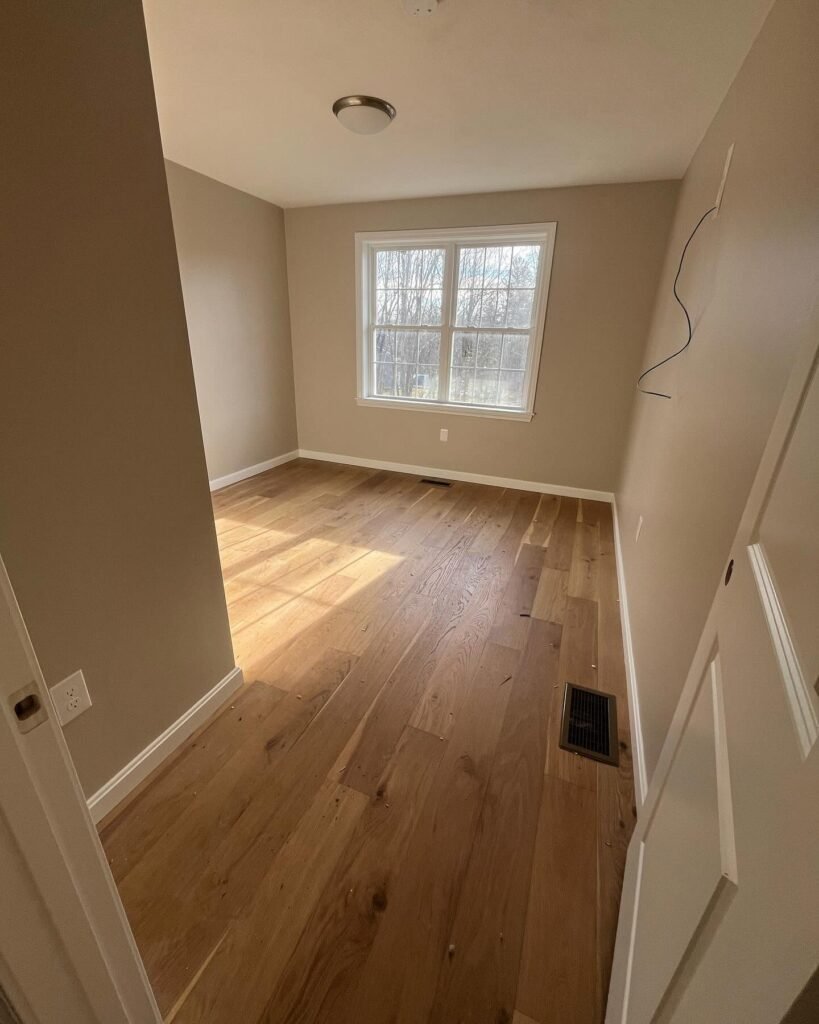
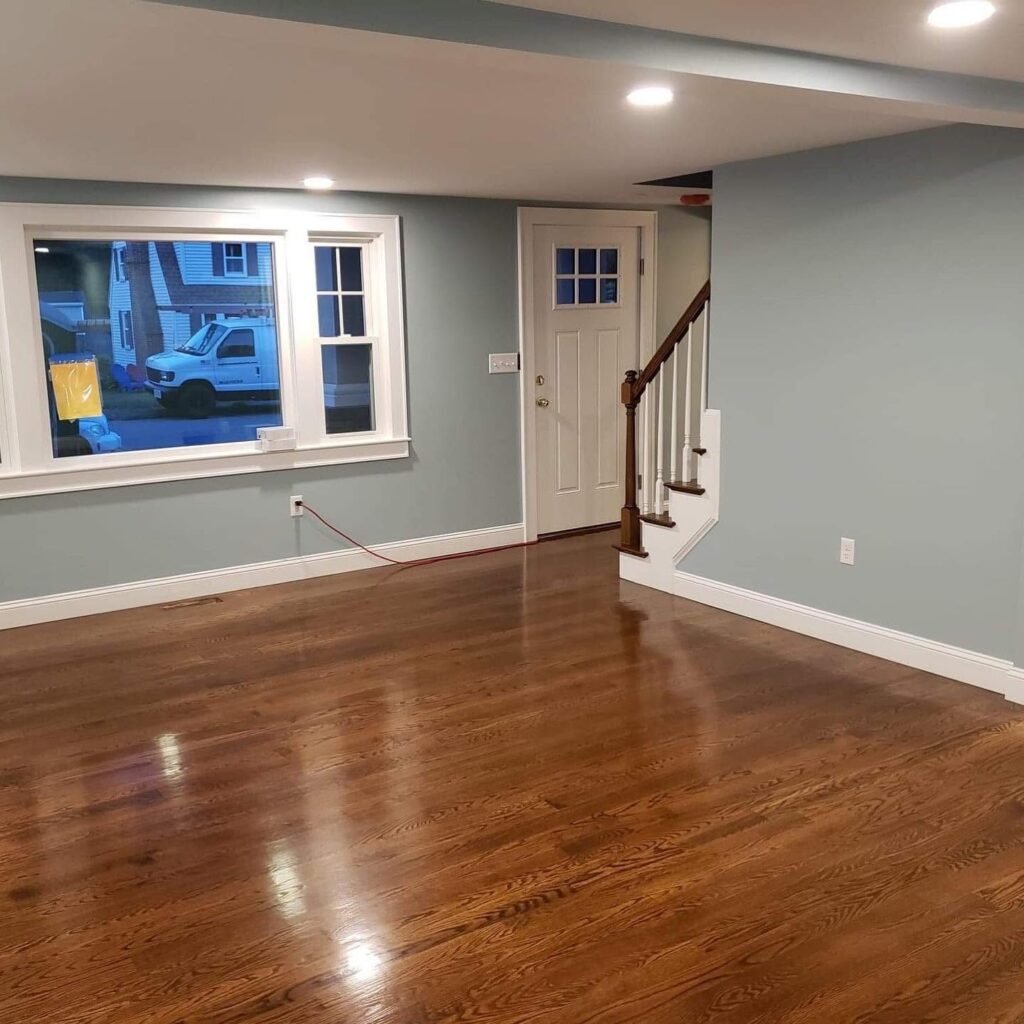
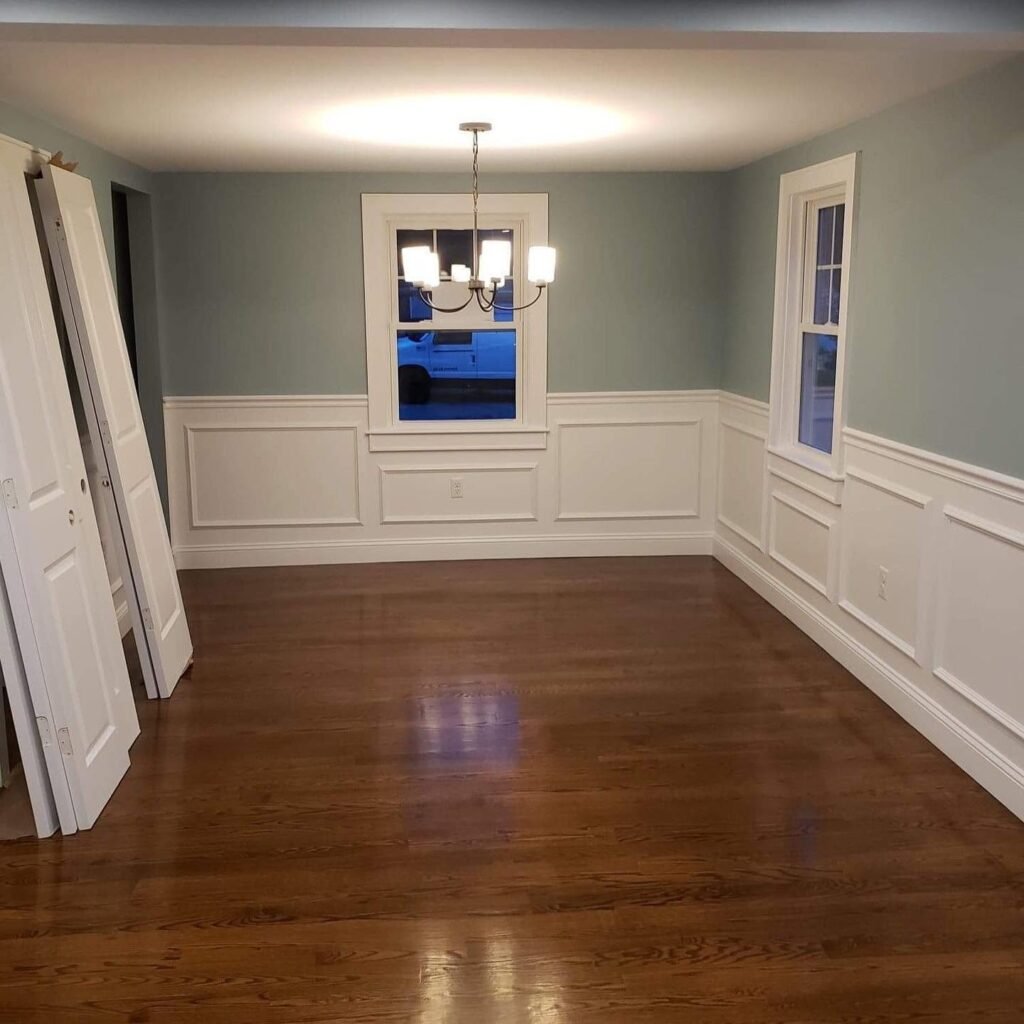
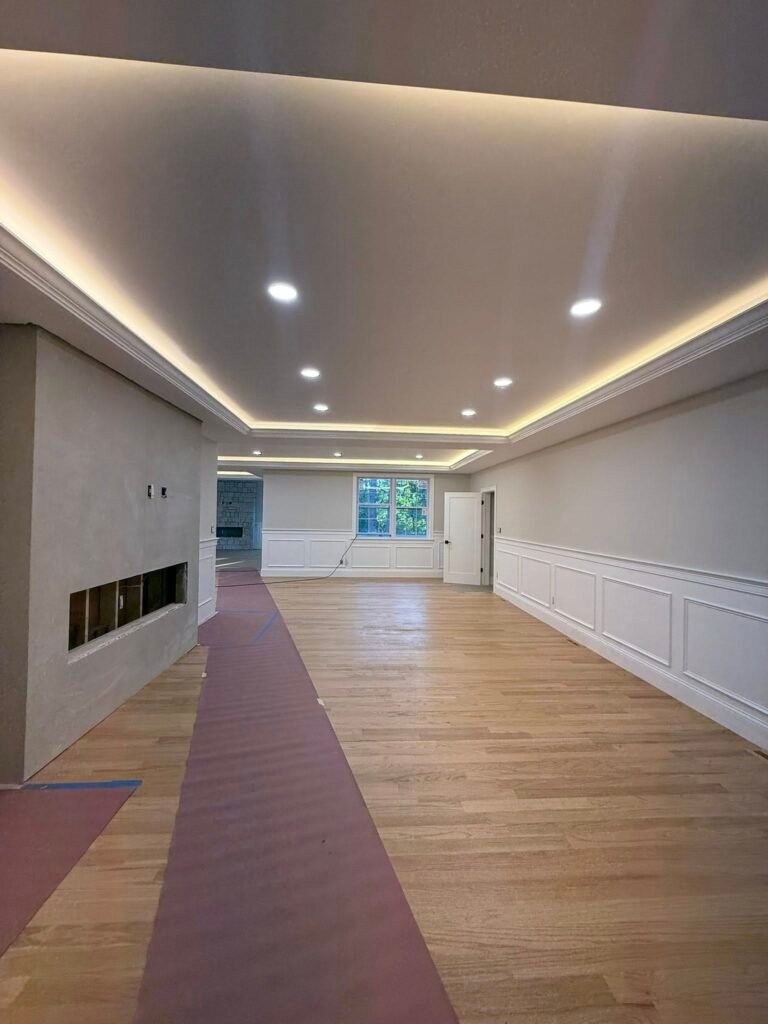
A few real interior remodeling projects completed by our team across Worcester County & Central MA. View our full project gallery →