Garage Remodeling in Massachusetts
Functional workshop conversions, organized storage systems, epoxy floor installations, gym and studio buildouts, and full ADU/in-law suite conversions. We turn the dirtiest, most disorganized room in your home into one of the most useful.
Most garages in Massachusetts function as storage rooms for things you don’t actually use, with cars parked outside because the garage is too cluttered. Done right, a garage remodel transforms it into one of the most productive spaces in your home — workshop, gym, studio, organized storage, or even fully converted living space (in-law suite, home office, ADU). The garage’s biggest advantage: it’s already attached, already foundation-poured, already roofed. You’re working with infrastructure that mostly exists.
At JM All-Pro Services, we handle garage remodels across the spectrum — from epoxy floor and shelving upgrades that keep the garage as a garage, to full conversions that turn it into permitted, code-compliant living space. We handle the insulation, electrical, flooring, framing, and trim work, and coordinate plumbing/HVAC when needed for full conversions.
What Can a Garage Remodel Look Like?
“Garage remodel” means very different things depending on what you want the space to do. Here are the most common projects we run:
Workshop Buildout
▸ Most Popular UpgradeHeated, insulated workshop with proper electrical, dust collection, tool storage, and a workbench. Garage stays a garage but becomes a year-round usable space.
Includes: Insulation, mini-split heater, 240V outlets, epoxy floor, custom workbench, wall storage system.
Home Gym
▸ Trending ConversionRubber gym flooring, mirrored walls, proper ventilation, dedicated lighting, and electrical for equipment. Often keeps garage door functional for fresh air during workouts.
Includes: Insulation, mini-split, rubber/foam flooring, full wall mirrors, GFCI outlets, ventilation.
ADU / In-Law Suite
▸ Maximum Value AddFull conversion to permitted living space with kitchenette, bathroom, bedroom area, and separate entrance. Highest investment but biggest ROI.
Includes: Full framing, plumbing, electrical, HVAC, kitchenette, bathroom, MA ADU compliance.
Office / Studio
▸ Post-COVID DemandQuiet, separated work space with hardwired internet, climate control, and good lighting. Doesn’t require full ADU treatment if not used as bedroom or rental.
Includes: Drywall, insulation, mini-split, sound dampening, Cat6 ethernet, custom desk built-ins.
Storage Upgrade
▸ Quick-Turn ProjectGarage stays a garage but with proper organization: epoxy floor, slat wall systems, overhead storage racks, custom cabinetry, and proper lighting.
Includes: Epoxy floor, wall organization systems, overhead racks, LED lighting upgrade.
Music / Recording Studio
▸ Sound-Isolated BuildSoundproofed studio space with acoustic treatment, dedicated electrical circuits, and climate control. Detached garages work best for this use.
Includes: Double drywall, resilient channel, acoustic insulation, mini-split, dedicated 20A circuits.
Garage Size & What Fits
What you can build in your garage depends largely on its size. Most MA homes fall into one of these categories:
1 car. Workshop, gym, or office conversion. Tight for ADU.
Smaller single-bay garages. Best for studio or storage projects.
2 cars. Perfect for full workshop, gym, or full ADU conversion.
Most common MA garage. Fits every conversion type we offer.
Spacious. Hybrid use (1 car + workshop), or large full conversion.
Standalone structure. Best for studios, ADUs, sound-sensitive uses.
Garage Floor Options
Plain concrete cracks, stains, and looks bad. Modern garages use one of these floor systems. Epoxy is the most popular upgrade for garages that stay garages — full living conversions use different flooring:
Flake Epoxy Floor
Multi-layer epoxy with decorative color flakes. Chemical-resistant, doesn’t stain, hides imperfections.
Concrete Sealer
Penetrating sealer or topical coating over existing concrete. Cheapest option to extend floor life.
Polyaspartic Coating
Premium upgrade over epoxy. Cures faster, more UV stable, harder surface. Often called “garage floor of the future.”
Rubber Tile / Roll
Interlocking rubber tiles or roll-out flooring. Best for home gyms — cushion for dropped weights, joint comfort.
LVP Over Concrete
Luxury vinyl plank installed on concrete (with moisture barrier). Standard for full living conversions.
PVC Garage Tiles
Interlocking PVC tiles that snap together over existing concrete. Easy DIY, removable, hides cracks.
🌡️ Insulating Your Garage for MA Winters
Most attached garages in Massachusetts have zero or minimal insulation — the walls separating the garage from the house may be insulated, but the exterior walls and ceiling usually aren’t. Proper insulation is required to make the space usable year-round. Here’s what we install based on use case:
Exterior Walls
Standard wall insulation between studs. R-13 minimum for occasional use, R-21 for living conversions.
Ceiling / Roof
Highest R-value because heat rises. R-38 minimum for converted living space, R-49 for cathedral ceilings.
Garage Door
Insulated garage door (R-10+) keeps thermal envelope intact. Single biggest cold-air leak in any garage.
Floor Edge Insulation
2″ rigid foam at slab perimeter prevents cold infiltration through concrete edge.
Spray Foam Crevices
Around door frames, electrical penetrations, and the wall-to-house seam. Critical for retaining heat.
Heated Floor Option
Electric radiant under epoxy or LVP. Game-changer for MA winter garages used as workshops or gyms.
Garage Door Upgrades
The garage door is the single biggest factor in how warm and weather-tight your garage actually stays. Most homes have basic uninsulated steel doors. Modern options improve insulation, security, and aesthetics:
Insulated Steel Panel
Foam-filled steel panels with weather seal. Standard upgrade for most workshops and gyms.
▸ R-12 to R-18Carriage House Style
Decorative paneling that looks like swing-out doors but operates as overhead. Premium aesthetic.
▸ ArchitecturalFull-View Glass
Aluminum frame with glass panels. Maximum natural light. Often used in modern home gyms.
▸ Modern lookSmart Opener
Wi-Fi enabled openers (MyQ, Genie Aladdin). Phone control, alerts when door opens/closes.
▸ App controlWall Panel (Conversion)
Removing garage door entirely and installing exterior wall + window. For full ADU conversions.
▸ Full conversionFrench Door Replacement
Replacing garage door with French doors + side panels. Beautiful for converted spaces.
▸ Cottage styleElectrical Upgrades for Modern Garages
NEC Required for MA GaragesStandard MA garages typically have 1-2 outlets, a single overhead light, and a basic 15A circuit. That’s not enough for a modern workshop, gym, or living conversion. Upgrades we install regularly:
GFCI Outlets Throughout
NEC code requires GFCI on all garage outlets. Common code violation in older garages.
240V Outlet (EV Charging)
NEMA 14-50 or 6-50 for EV charging station, welder, or large compressor.
Dedicated 20A Circuits
For workshop tools (table saw, compressor) or gym equipment. No more tripped breakers.
LED Shop Lighting
4′ or 8′ LED shop lights for proper workshop illumination. 5000K daylight color temp.
Sub-Panel Installation
Dedicated sub-panel for garage if main panel doesn’t have capacity for new circuits.
Cat6 Ethernet
Hardwired internet for office/studio garage use. Often more reliable than Wi-Fi extender.
Garage Storage & Organization
Even when keeping the garage as a garage, organization is what separates a usable space from a junk room. These are the most-installed storage systems we build into garages:
Slat Wall System
PVC or metal slatwall panels with hooks, bins, and shelves. Maximum wall-mounted versatility.
Pegboard Walls
Classic option for tool storage. Heavy-duty pegboard with industrial hooks for fast tool access.
Overhead Storage Racks
Ceiling-mounted shelves for seasonal items (Christmas decorations, kayaks, lawn tools). Uses dead space.
Custom Cabinetry
Tall metal or wood garage cabinets with locking doors. Keeps tools clean and out of sight.
Workbench Buildout
Heavy-duty workbench with drawers, vise mount, pegboard backsplash. The heart of any workshop.
Bike & Sports Storage
Wall hooks for bikes, kayak racks, golf bag stands, ski racks. Frees up floor space dramatically.
Stackable Bin Systems
Labeled bin systems on shelving units. Best for camping, holiday, hardware, and seasonal storage.
Tool Chest / Rolling Cart
Heavy-duty tool chests with rolling capability. Premium upgrade for serious workshop users.
Converting Your Garage to Permitted Living Space
Massachusetts now actively encourages ADU (Accessory Dwelling Unit) conversions through the 2024 Affordable Homes Act — single-family lots can now have an attached or detached ADU by-right in most cases. Converting a garage to permitted living space is one of the highest-ROI projects available, but it requires meeting full building code:
▸ INSULATION
Walls, ceiling, and floor must meet residential R-values
▸ HEATING
Permanent heat source (not space heaters) required
▸ EGRESS
Code-compliant egress window if used as bedroom
▸ CEILING HEIGHT
7’0″ minimum in habitable rooms
▸ SMOKE/CO
Hardwired detectors interconnected with main house
▸ PLUMBING (if ADU)
Bathroom and kitchenette with proper drainage
▸ SEPARATE ENTRANCE
Required for full ADU classification
▸ TOWN APPROVAL
Building, plumbing, electrical permits all required
▲ Fire-Rated Walls — The Critical Safety Detail
Garages contain gasoline, motor oil, propane, and cars — all fire risks. Massachusetts code requires fire-rated separation between any garage and the attached living space. This isn’t optional, and it’s the most-skipped item in DIY garage projects:
Wall Between Garage & House
Minimum 1/2″ Type X drywall on garage side. Existing wall may need upgrade during remodel.
Ceiling Below Living Space
If garage is below a bedroom, ceiling needs 5/8″ Type X drywall. Common upgrade need.
Garage-to-House Door
Self-closing, 20-min fire-rated door. Standard exterior steel door with closer counts.
No Openings to HVAC
Garage cannot share HVAC return air with main house. Ducts must be sealed.
Sealed Penetrations
All electrical and plumbing penetrations through fire wall must be fire-stopped.
Floor Slope to Door
Garage floor must slope toward overhead door so flammable spills flow outside, not inside.
Our Garage Remodeling Process
Timeline varies based on scope — storage upgrades take 1-2 weeks, full ADU conversions take 8-14 weeks. The phases are similar:
Consultation
Walk through, discuss use case, evaluate existing electrical & structure.
Design Plan
Layout drawn, finishes selected, electrical and storage plan finalized.
Written Estimate
Full scope, materials, labor, timeline before any work starts.
Permits
Building, electrical, plumbing permits pulled for conversion scope.
Demo & Prep
Old finishes removed, concrete prep, existing electrical evaluated.
Framing & Rough-Ins
Wall framing, electrical wiring, plumbing if applicable, HVAC routing.
Insulation & Drywall
Insulation per scope, fire-rated drywall where required, taped and finished.
Finish & Install
Flooring (epoxy or LVP), storage systems, fixtures, final walkthrough.
⚠ Common Garage Remodel Mistakes We Avoid
Garage remodels have specific failure modes that other interior projects don’t. Here are the most common issues we see when homeowners DIY or use a non-specialized contractor:
✕ Skipping Fire-Rated Drywall
1/2″ standard drywall used between garage and house. Major MA code violation. Failed inspection at best, fire risk at worst.
✕ Bad Concrete Prep for Epoxy
Epoxy applied without acid etching or diamond grinding. Peels in 6-12 months. Failure of the prep work, not the product.
✕ No GFCI on Outlets
NEC code requires GFCI on all garage outlets. Common oversight on older work and DIY upgrades.
✕ Insulating Without Air Sealing
Fiberglass batts installed but air leaks through rim joists, electrical boxes, door frames. Heating losses continue.
✕ Wrong Garage Door
Beautiful insulated door installed but bottom weather seal damaged or missing. Cold infiltrates all winter long.
✕ Permits Skipped on Conversion
Unpermitted garage conversion = problems at resale. Buyer’s inspector flags it, town may require remediation.
✕ Sharing HVAC with House
Tapping into main house ductwork pulls car exhaust and chemicals into living space. Code violation.
✕ Mini-Split Wrong Sized
Undersized mini-split = constant running, won’t actually heat the space. Oversized = inefficient short-cycling.
Why Choose JM All-Pro for Garage Remodeling
MA Code Knowledge
Fire-rated walls, GFCI, ADU compliance — we know what passes inspection in your town.
Concrete Prep Done Right
Acid etching or diamond grinding before epoxy. Floor lasts 20+ years instead of peeling at year one.
Electrical Capacity Analysis
Sub-panel installs, 240V circuits for EV charging or welders, dedicated 20A workshop circuits.
MA Licensed & Insured
Construction Supervisor License #121166 and HIC #214808. Full liability + workers comp coverage.
Storage System Specialists
Slat wall, overhead racks, custom cabinetry, workbench builds. Solve the disorganization problem.
Mini-Split Coordination
Right-sized heat pump installations for year-round comfort in your converted space.
ADU Conversion Experience
Full garage-to-ADU conversions under MA Affordable Homes Act. Permits and inspections handled.
Written Estimates
Full scope, materials, labor, and timeline before any work begins. No surprise invoices.
Service Areas in Massachusetts
📍 Where We Remodel Garages
Based in Clinton, MA. Garage conversions, workshop builds, and storage upgrades across Worcester County, Middlesex County, and MetroWest:
Related Services
Garage Remodeling FAQs
Do I need a permit to remodel my garage?
Depends on scope. Storage upgrades, organization systems, and epoxy floor installs typically don’t require permits. Adding electrical circuits, framing new walls, or converting to living space all require building, electrical, and (sometimes) plumbing permits in Massachusetts. We pull all required permits.
Can I convert my garage to a legal ADU in Massachusetts?
Yes, in most cases. The 2024 MA Affordable Homes Act made ADUs allowed by right on most single-family residential lots. Garage conversions to ADUs require full code compliance: insulation, heating, egress windows for bedrooms, ceiling height, plumbing, smoke/CO detection, and separate entrance. We handle the permit process and inspection coordination.
How long does a garage remodel take?
Timeline depends on scope. Storage and epoxy floor upgrades take 1-3 weeks. Workshop or gym conversions (insulation, drywall, electrical, flooring) take 3-6 weeks. Full ADU conversions take 8-14 weeks. We give you a realistic timeline during the estimate.
How much does an epoxy garage floor cost?
Cost depends on garage size, floor condition, and coating system. Basic single-coat epoxy is the lowest tier. Flake epoxy systems are most popular. Polyaspartic premium coatings are the highest tier with the longest life. We provide written quotes after measuring and assessing your concrete.
Can I lose my garage if I convert it to living space?
If you fully convert (remove garage door, change use) — yes, you’d lose covered parking. Some homeowners choose to retain garage door functionality with a removable interior wall, or convert only half the garage. Resale impact varies by neighborhood — many MA areas value finished space more than garage space.
Do I need to upgrade my electrical panel?
Often yes. Most garages have minimal electrical service. For full workshop, gym, or living conversions, we typically install a dedicated sub-panel or upgrade the main panel if it doesn’t have capacity. EV charging stations also typically require dedicated 240V circuits.
What heating system works best in a garage?
Mini-split heat pumps are the most popular for garage conversions. Ductless, energy-efficient, and provide both heating and cooling. For pure workshop use, gas garage heaters are an option but require proper venting. Electric radiant under epoxy floors works as supplemental heat.
Will the garage be warm enough in MA winter?
Yes — with proper insulation, air sealing, and a right-sized heat source, the garage can maintain comfortable temperatures year-round. The garage door is the biggest factor; insulated doors (R-12+) with proper weather seals make the difference between “barely usable in January” and “warm workshop.”
Can you keep the garage door functional while remodeling?
For workshop and gym conversions, yes — we keep the garage door operational so you can open it for ventilation, move equipment, or maintain the option to use as a garage again later. Full ADU conversions typically remove the garage door entirely.
How do I get started with a garage remodel?
Call (508) 925-0396 or submit the quote form with photos of your current garage, dimensions, and your goal for the space (workshop, gym, office, ADU, storage). We schedule a free in-home consultation, walk through options, and follow up with a written estimate.
Ready to Transform Your Garage?
Schedule a free in-home estimate. Whether you want a workshop, gym, studio, organized storage, or full ADU conversion — we’ll walk through your space, discuss what’s possible, and follow up with a written quote covering everything from concrete prep to final walkthrough.
Recent Projects
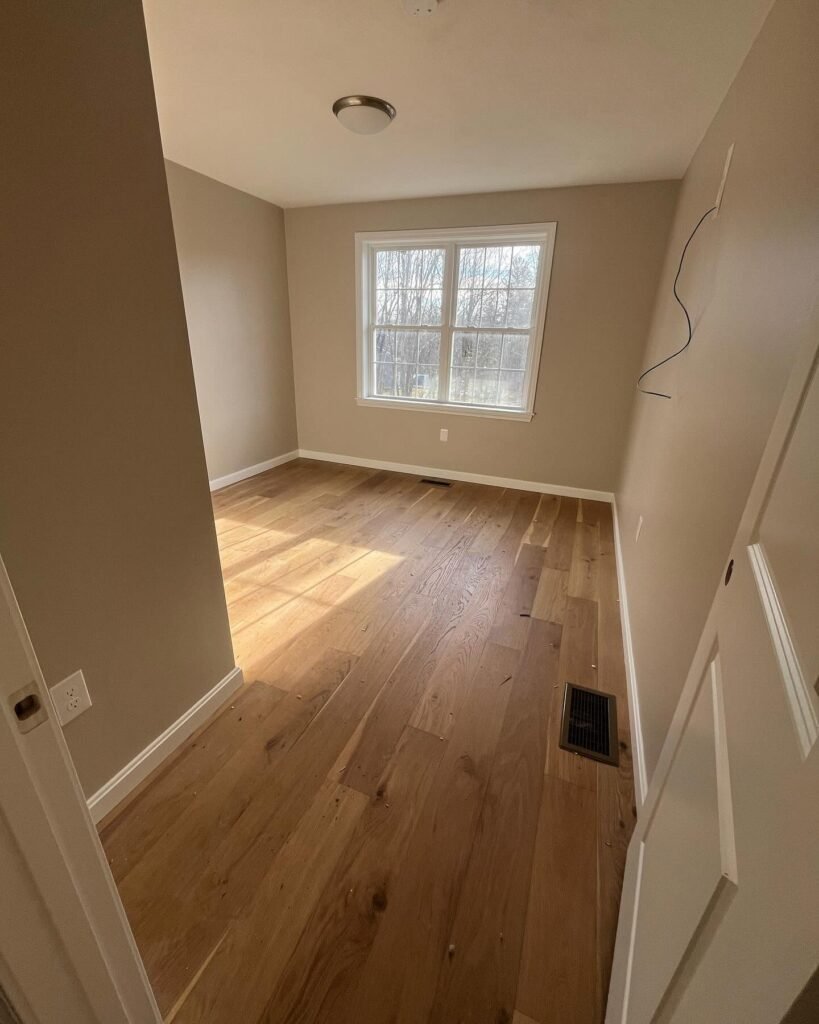
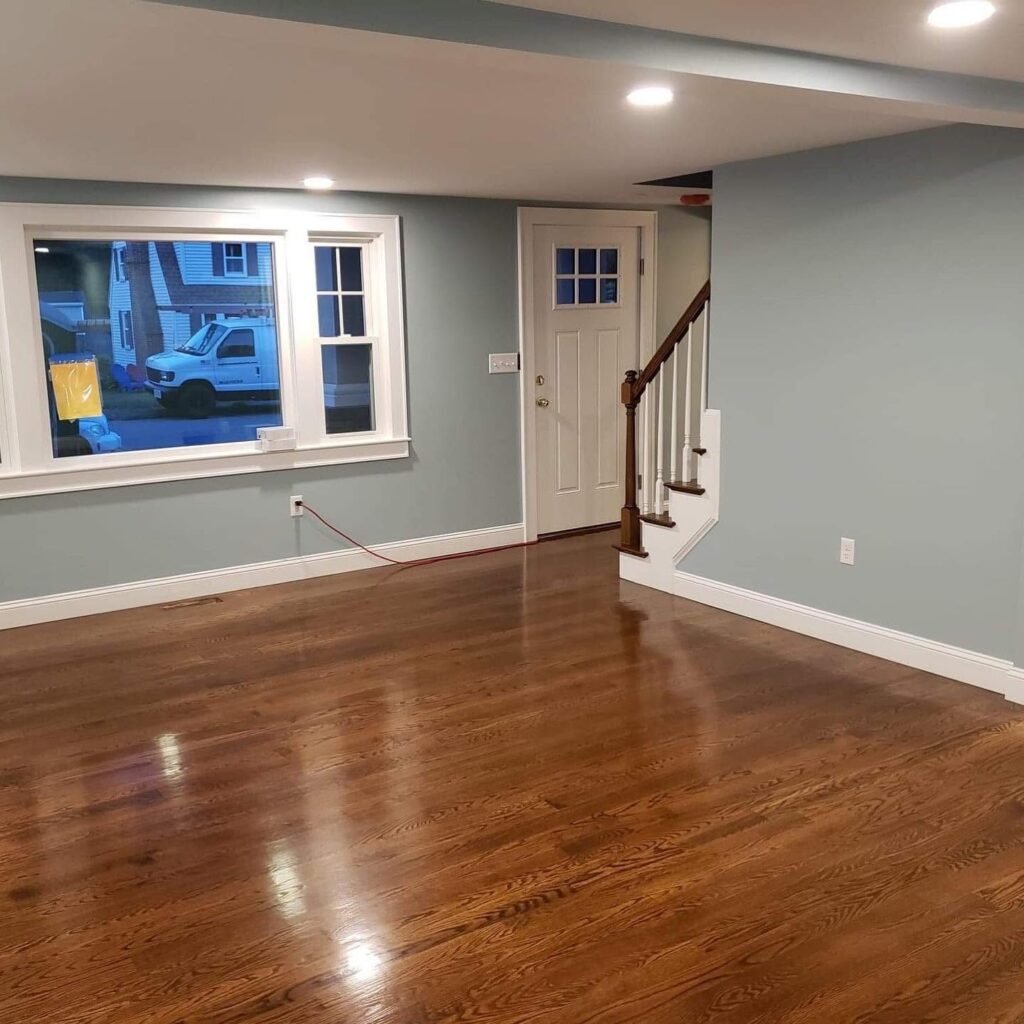
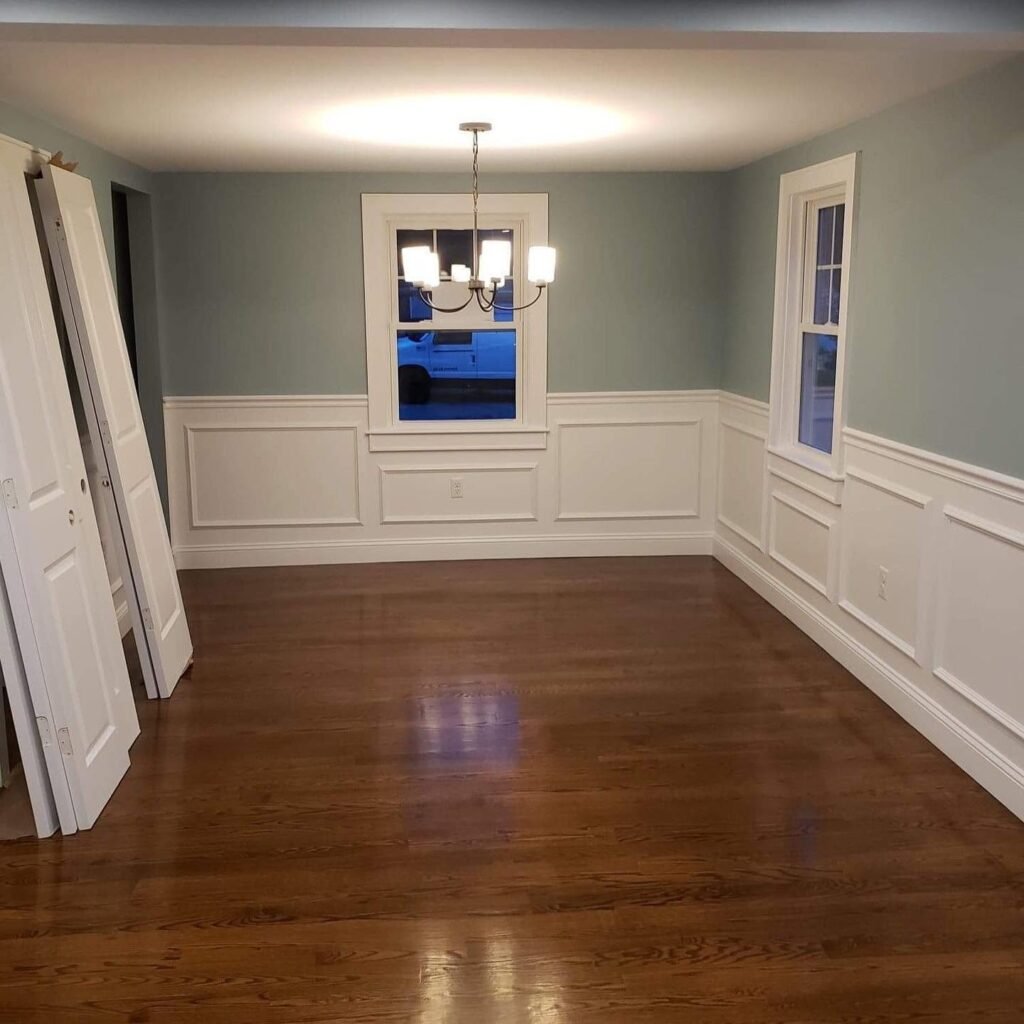
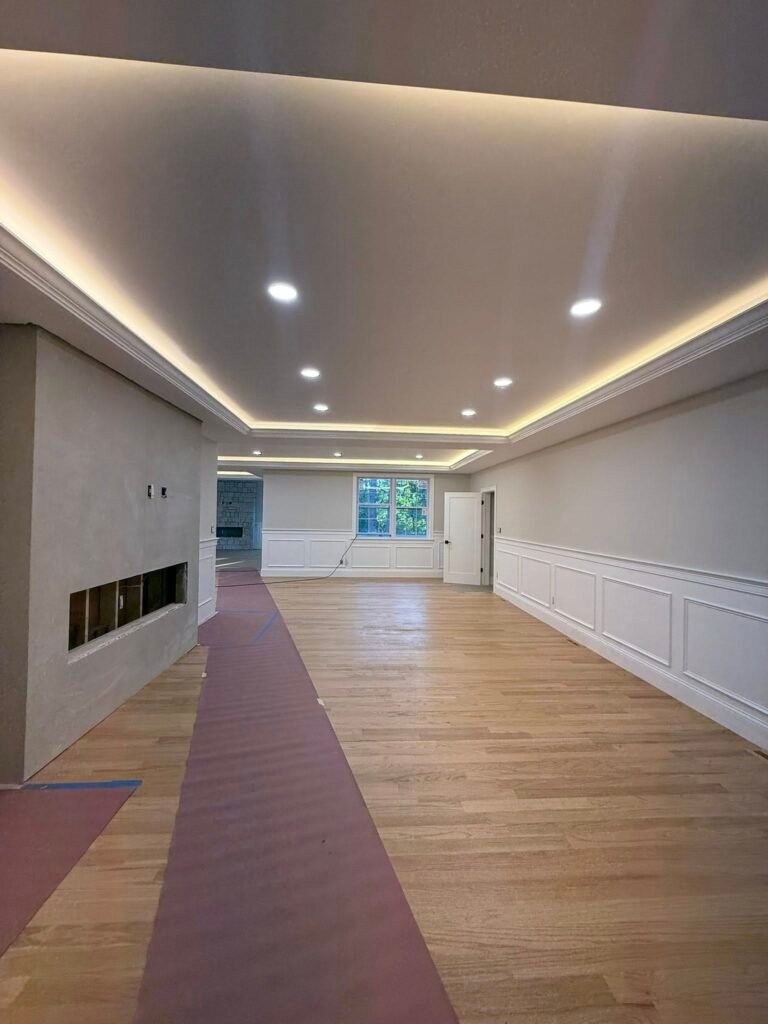
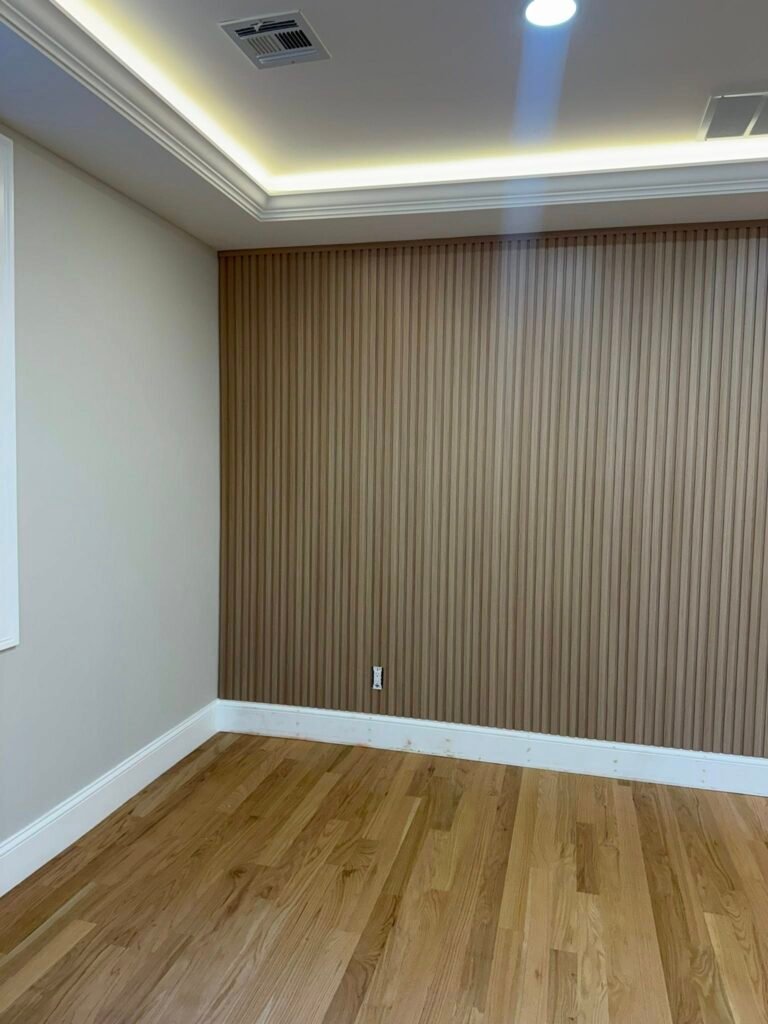
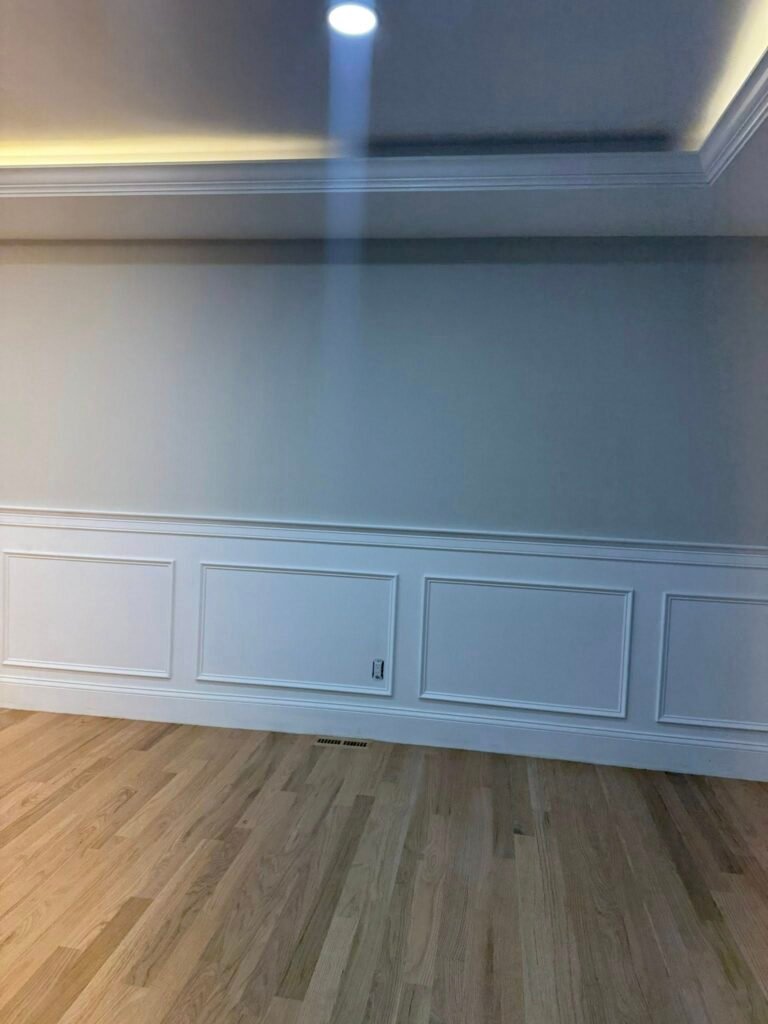
A few real interior remodeling projects completed by our team across Worcester County & Central MA. View our full project gallery →
Explore More
Related Services
Cost Guides
Areas We Serve
Free estimate: (508) 925-0396