Laundry Room Remodeling in Massachusetts
From cramped basement utility corners to dedicated upper-floor laundry rooms with stacked appliances, cabinetry, and folding counters — we design and build laundry spaces that actually make doing laundry less of a chore.
The laundry room is one of the most-used and least-loved spaces in most Massachusetts homes. Stacked washer-dryers crammed into a closet, exposed plumbing on the wall, no folding surface, no storage, and harsh fluorescent lighting — that’s the standard “laundry room” most homes were built with. A proper laundry room remodel solves all of that: proper appliance placement, hidden plumbing, dedicated electrical, storage that fits your family, and finishes that don’t look like a utility closet.
At JM All-Pro Services, we handle laundry room remodels of all scopes — from upgrading appliances and adding cabinets, to relocating the laundry from the basement to a 2nd-floor mudroom, to full custom designs with built-in folding stations, pet wash stations, and hanging rods. Licensed for the plumbing, electrical, and venting work required.
Is a Laundry Room Remodel Right for You?
Most homeowners reach the same conclusion at some point: “I do laundry 3 times a week — why is this space so awful?” If any of these scenarios sound familiar, you’re a candidate for a laundry room remodel:
Basement Laundry, Want Upstairs
Tired of carrying baskets up two flights. Moving laundry to a 1st floor mudroom or 2nd floor near bedrooms is one of the most popular upgrades.
Closet Laundry Hidden in Hallway
Stacked W/D crammed into a hall closet with no storage and a folding table. Time to convert that into a proper laundry closet with cabinets.
Buying a Bigger W/D
Upgrading to front-load steam washers and dryers — needs more space, often a pedestal or counter, and possibly new 240V outlets.
Need a Mudroom Combo
Combining laundry with mudroom function — boots, coats, pet supplies, drop zone for keys & mail. Great for the back entry of any home.
Hidden Plumbing & Wires
Existing laundry has exposed copper, vinyl supply hoses, and a snake of vent tubing on the wall. Time to recess everything cleanly.
Adding to a New Build
Custom home or addition needs a properly planned laundry from day one. We design and build the full room.
Common Laundry Room Layouts
The right layout depends on the space available, how much you do laundry, and whether you’re combining functions like a mudroom or pet wash station. Here are the layouts we build most often:
Side-by-Side Layout
Washer and dryer next to each other along one wall. Adds counter space above. Easiest layout to design around.
▢
Stacked Tower
Dryer mounted on top of washer to save floor space. Requires front-loading washer. Saves about 36″ of wall space.
▢▢
U-Shape with Counters
Appliances on one wall, counter + storage on adjacent walls. Maximum workspace for sorting and folding.
▢▢
Galley / Narrow
Appliances and storage on opposite walls with walkway between. Standard for hallway laundry rooms.
━━━
L-Shape with Mudroom
Laundry on one leg, mudroom storage (bench, hooks, cubbies) on the other. Best of both worlds for active families.
Bi-Fold Closet Laundry
Stacked W/D plus narrow cabinetry inside a closet with bi-fold doors. Closes off the laundry visually when not in use.
Washer & Dryer Configurations
How you place and configure your laundry appliances affects how much space you need, what plumbing you need, and how the room functions:
Front-Load Side-by-Side
Both units front-loading, sitting on the floor (or pedestals). Can have a continuous counter on top for folding.
Stacked Tower
Dryer on top of washer using a stacking kit. Saves about 30-36″ of wall space. Requires front-load units.
On Pedestal Drawers
Front-load units raised 12-15″ on storage pedestals. Saves your back, adds storage for detergent and tools.
Top-Load Side-by-Side
Traditional top-loading units. Generally cheaper but no overhead counter possible. Standard in older homes.
Hidden Behind Cabinet Doors
Appliances behind matching cabinet doors. High-end custom look — laundry disappears into the architecture.
Compact (24″) Units
Smaller European-style units, 24″ wide. Used where space is extremely limited. Smaller load capacity than full-size.
🔧 What Goes Behind the Wall — Utility Hookups
The behind-the-wall work in a laundry room is what separates an amateur job from a professional remodel. Every laundry needs proper hot/cold supply, drain, electrical, gas (if applicable), and dryer venting. Here’s what we install:
Recessed Washer Box
In-wall box with hot/cold valves and drain stub-out. Hides all plumbing inside the wall.
▸ Hot + Cold valves + 2″ drain2″ Standpipe Drain
Properly trapped drain with P-trap and vent. Code-compliant standpipe height (30″-42″).
▸ Vented to plumbing stack240V Dryer Outlet
NEMA 14-30 receptacle for electric dryer. Dedicated 30-amp circuit required.
▸ 30A double-pole breaker120V Washer Outlet
Standard 15-amp GFCI outlet for washer. Some newer washers need dedicated 20-amp circuit.
▸ GFCI-protected requiredGas Line (Gas Dryer)
1/2″ black iron or CSST gas line with shut-off valve. Pressure-tested. Licensed plumber required.
▸ 1/2″ line, shut-off valveDryer Vent (4″)
Rigid metal duct to exterior. Maximum 25 ft length per code. No screws penetrating duct interior.
▸ Rigid metal, exterior capAuto Shut-Off Valves
Optional but recommended. Detect leaks and shut off water automatically. Prevents flood damage.
▸ FloodStop or Watts SmartHomeSound Dampening
Insulation between W/D and adjacent rooms. Anti-vibration pads under appliances.
▸ Mineral wool insulationStorage & Built-In Features
A great laundry room is mostly about storage. Detergent, stain treatments, lint catchers, fabric softener, rags, drying racks, hampers — all of it needs a home. Modern laundry remodels include:
Upper Cabinetry
Wall cabinets above the washer/dryer or counter. Holds detergents, dryer sheets, and rarely-used items.
Base Cabinets with Drawers
Below counter or sink. Stores cleaning products, irons, vacuum attachments. Deep drawers preferred over doors.
Pull-Out Hampers
Hidden tilt-out or pull-out hampers integrated into cabinets. Sort lights/darks/delicates as you go.
Hanging Rod / Drying Bar
Wall-mounted rod for line-dry items or for hanging clothes straight out of the dryer. Saves wrinkle-free items.
Folding Counter
Counter over front-load appliances or as separate workstation. Quartz, butcher block, or laminate.
Charging Station / Outlets
Strip of outlets above counter for charging devices, plug-in iron, or steamer. USB outlets becoming standard.
Built-In Trash & Recycle
Pull-out bins for lint, dryer sheets, and laundry-room trash. Hidden behind cabinet door.
Pet Wash Station
Lowered tile shower with handheld sprayer for washing dogs. Tile floor with proper drainage.
Laundry + Mudroom Combo: The Best Investment for MA Homes
Massachusetts homes deal with snow, mud, rain, and 4 seasons of dirt tracked in from outside. Combining the laundry room with a proper mudroom — boot bench, coat hooks, drop zone, pet station — turns one small renovation into the single most-used room in the house. Common features we include:
Utility Sink Options
A laundry room sink is one of the most-requested additions. Use it for hand-washing delicates, soaking stained items, cleaning paint brushes, filling buckets, or rinsing the dog. Common configurations:
Drop-In Stainless Sink
Standard sink dropped into countertop. Most affordable. Easy to swap later.
Undermount Sink
Mounts under counter for seamless edge. Best for stone or solid surface counters.
Freestanding Utility Sink
Deep basin sink on its own legs or wall-mounted. Industrial look. Good for messy tasks.
Apron-Front Farmhouse
Deep apron-front sink for premium look. Works well in modern farmhouse laundry rooms.
Flooring Options for Laundry Rooms
Laundry room floors face occasional water spills, leaks, dirt from outside, and heavy appliance weight. Not every floor handles this well. Here’s how the options compare:
Our Laundry Room Remodeling Process
Most laundry room remodels take 2-5 weeks depending on scope. Moving the laundry to a new location (basement to upstairs) takes longer because of plumbing/electrical runs:
In-Home ConsultationDay 1
Walk through your current space and the proposed new location (if relocating). Discuss appliance choices, storage needs, mudroom features, and budget range.
Design & LayoutWeek 1
Layout drawn to scale. Cabinet selections finalized. Plumbing and electrical paths mapped. Appliance models confirmed for proper rough-in dimensions.
Written EstimateWeek 1-2
Detailed quote including all labor, materials, plumbing, electrical, venting, finishes, and timeline. Reviewed and signed before any work begins.
Permits & OrderWeek 2-3
Building/plumbing/electrical permits pulled if required. Cabinets, sink, faucets, and counter materials ordered.
Demo & Rough-InWeek 3-4
Old appliances removed, demo of any cabinetry or finishes. Plumbing rough-in (washer box, drain, sink supply). Electrical rough-in (240V outlet, GFCI, lighting circuits). Dryer venting installed.
Drywall & PaintWeek 4
Drywall installed and finished. Walls primed and painted. Ceiling work completed. Trim and base painted before flooring.
Flooring & CabinetsWeek 4-5
Floor installed (tile, LVP, or vinyl). Cabinets set and leveled. Counters templated and installed. Toe kicks and crown applied.
Appliances & FinishWeek 5
Washer and dryer installed and connected. Sink and faucet installed. Lighting fixtures hung. Outlets and switches finished. Final walkthrough and punch list.
⚠ Common Laundry Room Remodel Mistakes We Help Avoid
These are the most common issues we see when homeowners or general handymen DIY a laundry room. Some are aesthetic, others are functional problems waiting to happen:
✕ No Floor Drain or Pan
Washer leaks happen. Without a floor drain or drip pan under the washer, a hose burst causes major water damage.
✕ Dryer Vent Too Long
Vent runs of 25+ feet (or with multiple elbows) cause lint buildup and fire hazard. Maximum length is code-restricted.
✕ Cheap Plastic Supply Hoses
Stock rubber hoses burst within 5-10 years. Should be replaced with braided stainless steel during install.
✕ No GFCI on Washer Outlet
MA code requires GFCI protection on all washer outlets near water. Common oversight on older installs.
✕ Dryer Vent in Soffit (Intake)
Some installers vent dryers into the same soffit area as attic intake vents. Dryer lint gets pulled into attic.
✕ No Sound Insulation
Laundry above bedrooms without sound insulation = late-night cycles wake everyone up. Mineral wool prevents it.
✕ Carpet in Laundry Room
Common in older homes. Holds moisture, develops mold, and is impossible to clean properly after leaks.
✕ Inadequate Ventilation
Laundry rooms generate humidity from dryer venting and washer use. Without exhaust fan or window, mold develops on walls.
Why Choose JM All-Pro for Laundry Room Remodels
MA Licensed
Construction Supervisor License #121166 and HIC #214808. Licensed for plumbing/electrical-adjacent work.
Plumbing Coordination
We handle washer box, drain, sink, and gas line connections — direct work or coordinated licensed plumber.
Electrical Done Right
240V dryer outlets, GFCI protection, dedicated circuits. Licensed electrician for any new circuits.
Dryer Vent Properly Routed
Rigid metal duct, proper length, exterior cap with damper. Code-compliant venting every time.
Relocation Specialists
Moving laundry from basement to 1st or 2nd floor — we do the framing, plumbing, electrical, and finish work.
Mudroom + Laundry Combos
Experience building combined mudroom-laundry spaces with custom cabinetry, benches, and storage.
Hidden Plumbing Boxes
Recessed in-wall washer boxes for clean look. No exposed copper or vinyl on the wall.
Written Estimates
Full scope, materials, labor, and timeline before work begins. No surprise invoices.
Service Areas in Massachusetts
📍 Where We Remodel Laundry Rooms
Based in Clinton, MA. Laundry room remodels across Worcester County, Middlesex County, and MetroWest:
Related Services
Laundry Room Remodeling FAQs
How long does a laundry room remodel take?
Most laundry room remodels take 2-5 weeks. Simple cosmetic updates (paint, cabinets, new counter) in an existing laundry can finish in 1-2 weeks. Relocating the laundry to a new room — basement to 1st floor, or adding 2nd floor laundry — typically takes 4-6 weeks because of plumbing, electrical, and venting runs.
Can you move my laundry from the basement to upstairs?
Yes — this is one of our most-requested laundry projects. We run water supply and drain lines from existing plumbing stacks, install a new 240V dryer circuit, route the dryer vent to the exterior, frame the new room, install drainage pan, and add proper sound insulation. Typically 4-6 weeks total project.
Do I need a permit for a laundry room remodel?
Cosmetic updates (paint, cabinets, replacing appliances) typically don’t require permits. Adding new plumbing, electrical circuits, or relocating the laundry to a new room requires building, plumbing, and electrical permits in Massachusetts. We pull all required permits.
Should I get front-load or top-load washers?
Front-load if you want counter space above, stacked configurations, or pedestals. Top-load if budget is the priority or you want simpler mechanics. Front-loads use less water and are more energy-efficient. Top-loads typically cost less upfront.
What size laundry room do I need?
Minimum 36″ wide × 30″ deep for stacked appliances. 60″-72″ wide × 30″ deep for side-by-side. 80-120 sq ft for a comfortable laundry room with counters and cabinets. 150+ sq ft for a true laundry-mudroom combo with bench, hooks, and storage.
How do I prevent flooding from a washer leak?
Three options we install: (1) Drip pan under washer with floor drain, (2) Auto shut-off valves (Watts SmartHome, FloodStop) that detect leaks and shut water, (3) Steel-braided supply hoses instead of rubber. Best practice is all three for primary upstairs laundry rooms.
Can I add a laundry sink during the remodel?
Yes, and most homeowners do. We add a utility sink (drop-in stainless, undermount, or freestanding) with hot/cold supply and proper drain connection. Used for pre-treating stains, hand-washing, filling buckets, or pet washing.
What flooring is best for a laundry room?
Porcelain tile or LVP (luxury vinyl plank) are the top choices. Both are fully waterproof, durable, and easy to clean. Avoid carpet, laminate, or unsealed hardwood — they all fail under water exposure.
Can you combine my laundry room with a mudroom?
Yes — and it’s one of the best layouts for MA homes. We combine washer/dryer area with bench seating, coat hooks, personal cubbies, a drop zone, and pet storage. Best for back-door entries that handle snow, mud, and dirt.
How do I get started?
Call (508) 925-0396 or submit the quote form with photos of your current laundry space (or proposed new location) and rough dimensions. We schedule a free in-home consultation, walk through layout options, and follow up with a written estimate.
Ready to Stop Dreading Laundry Day?
Schedule a free in-home estimate. We’ll measure your existing space (or proposed new location), discuss layout and appliance options, and follow up with a written estimate covering plumbing, electrical, cabinetry, and finish work.
Recent Projects
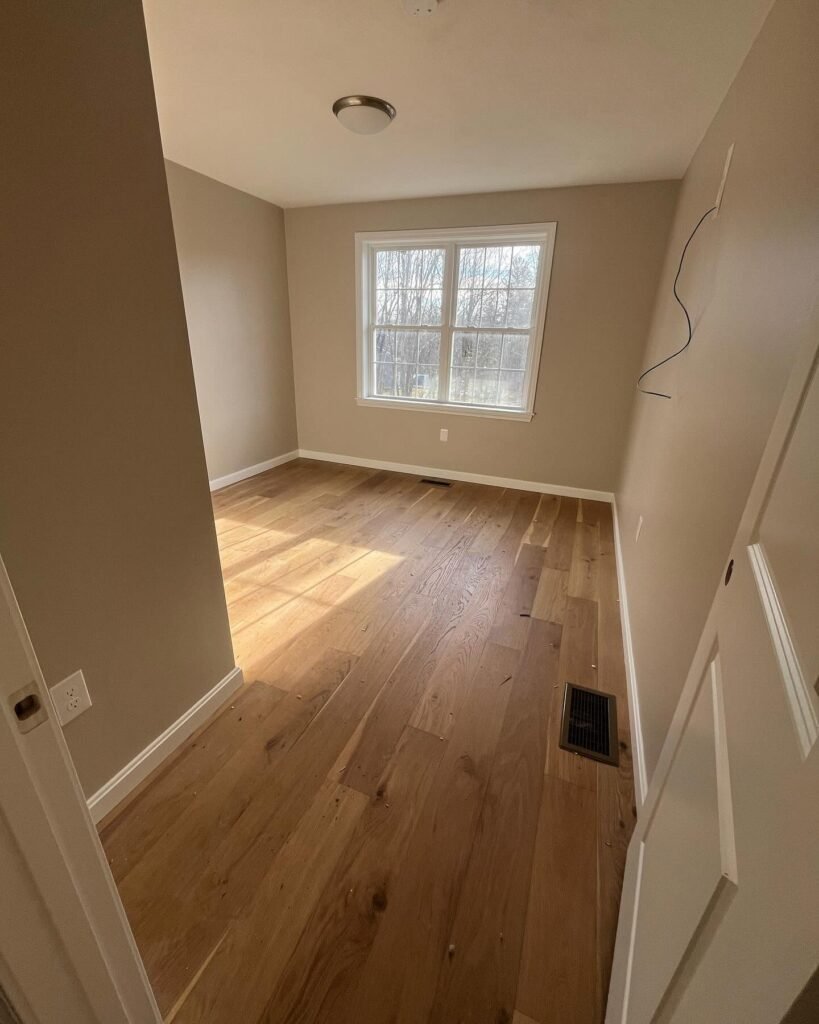
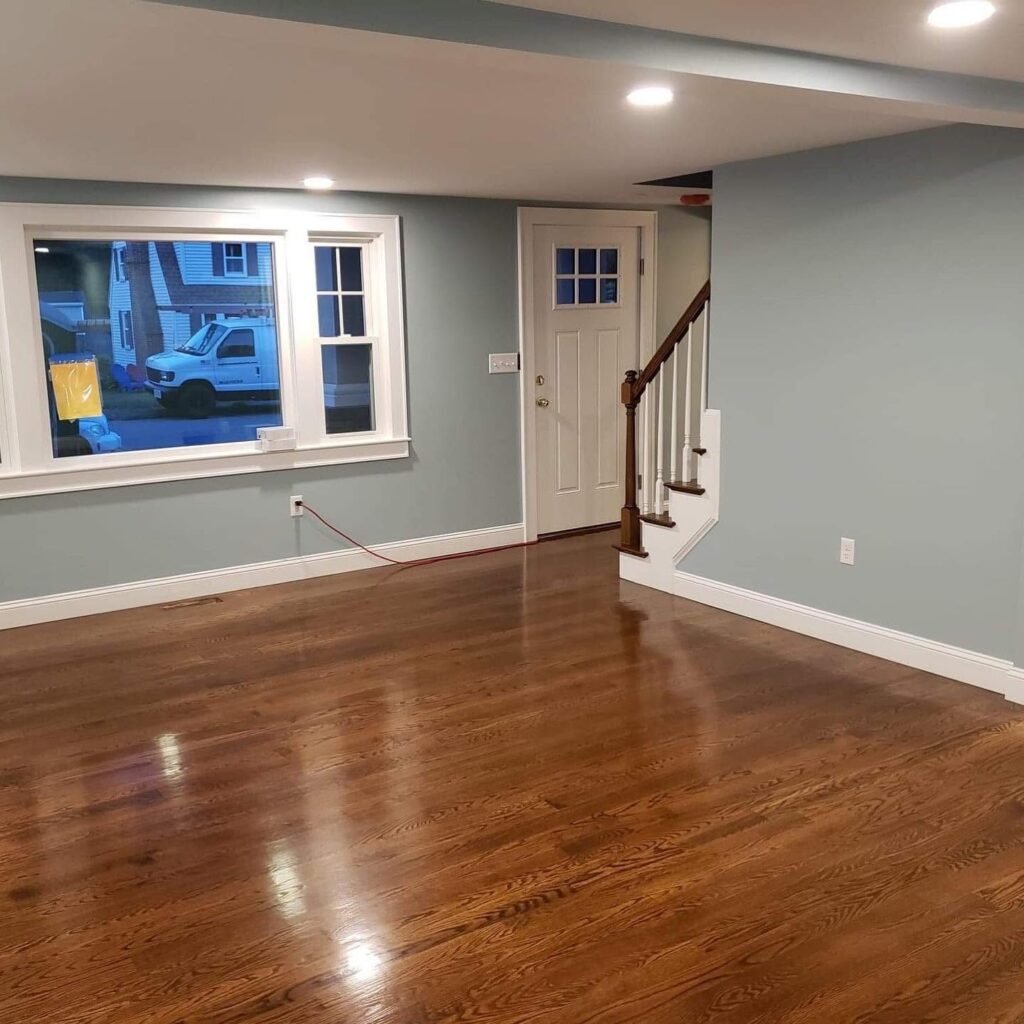
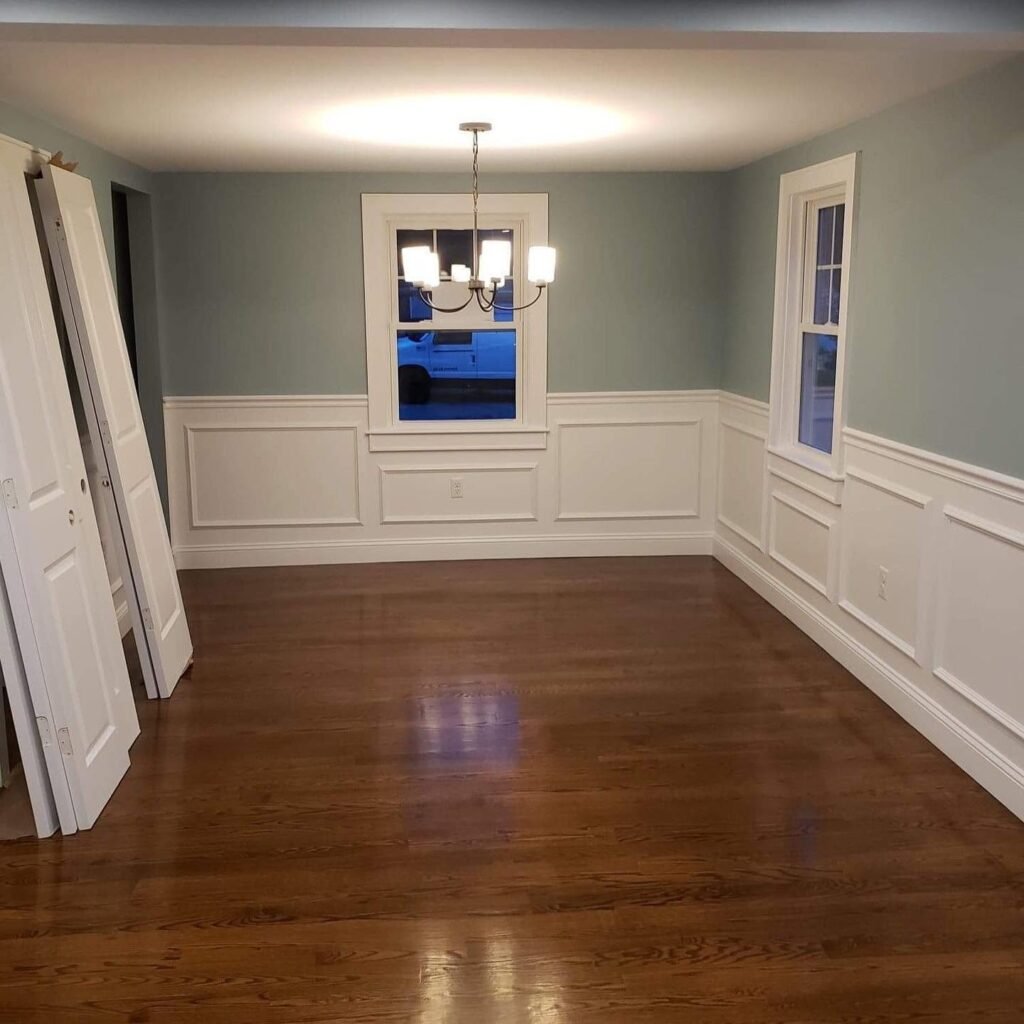
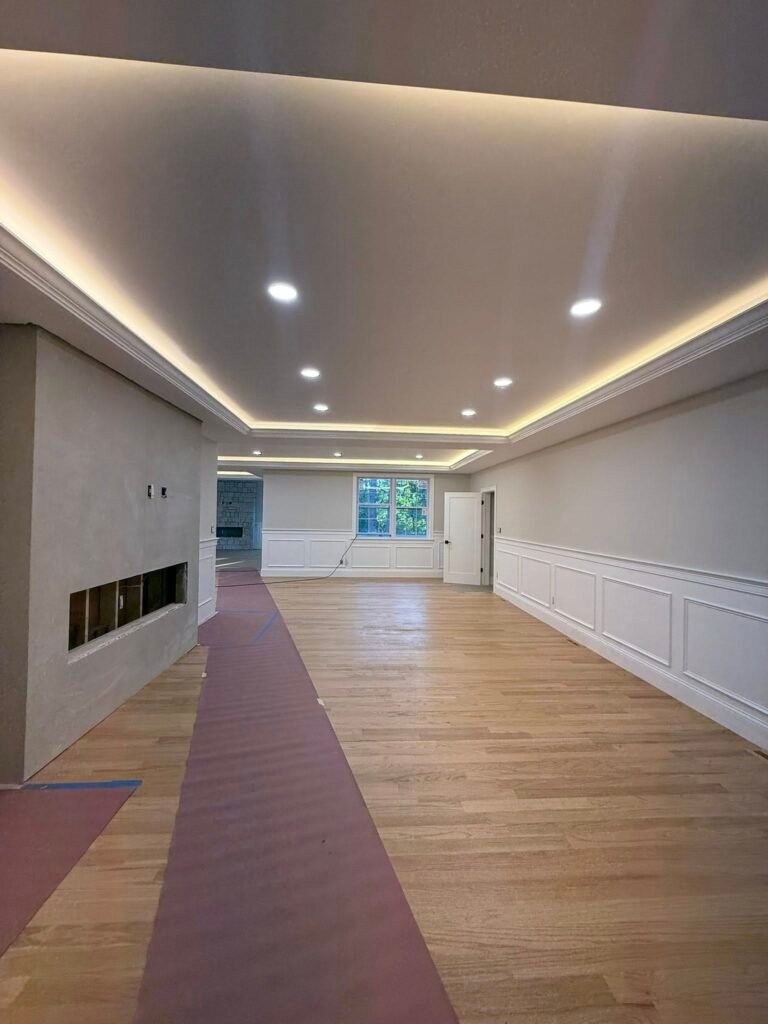
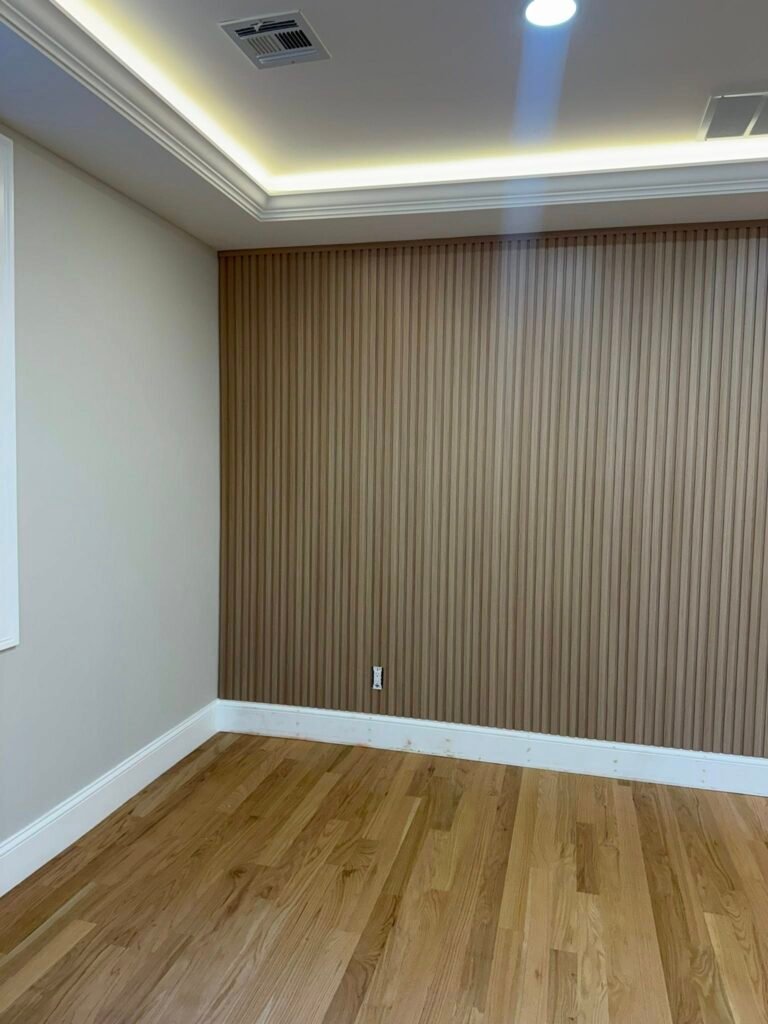
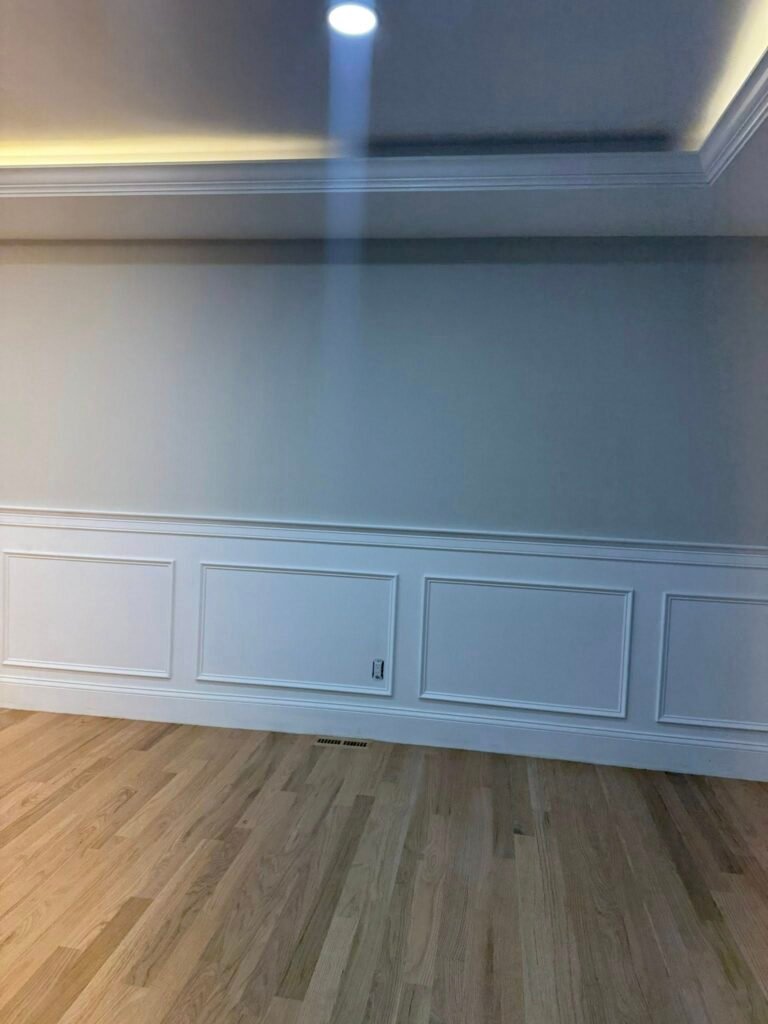
A few real interior remodeling projects completed by our team across Worcester County & Central MA. View our full project gallery →
Explore More
Related Services
Cost Guides
Areas We Serve
Free estimate: (508) 925-0396