Flooring Installation Hardwood, LVP, tile, laminate, engineered wood — properly installed across MA.
MA flooring contractor installing hardwood floors, luxury vinyl plank (LVP), ceramic and porcelain tile, laminate, engineered wood, and commercial-grade carpet across single-family, rental, and multi-family properties. Proper subfloor prep. Moisture barriers. Acclimation. Done once, done right.
Floors That Outlast the People Who Walk on Them
A floor is the single largest visible surface in any room. Get the floor right and the room looks finished. Get it wrong — wavy seams, gappy joints, squeaks, premature wear — and no amount of nice furniture compensates for it.
Most floor failures don’t come from the flooring material itself. They come from what’s underneath: uneven subfloors, missing vapor barriers, wrong fasteners, skipped acclimation, the wrong glue. We handle the subfloor work first, every time, because that’s what decides whether your floor still looks good in 25 years.
At JM All-Pro Services, we install all standard residential and rental flooring types across MA. Hardwood, engineered wood, LVP, ceramic and porcelain tile, laminate, commercial-grade carpet. Subfloor prep included in every estimate — not a surprise line item halfway through.
Six Flooring Materials We Install
Each material has different cost, durability, look, and maintenance profile. The right one depends on the room, traffic, budget, and how long you want it to last:
Solid Hardwood
Real wood planks — oak, maple, hickory, walnut. Premium look, can be refinished multiple times, lasts 50+ years. Best long-term value for owner-occupied homes.
- Sandable and refinishable
- 50+ year lifespan
- Best resale value
Engineered Hardwood
Real wood veneer over plywood core. Looks like solid hardwood, more dimensionally stable, works in basements and over concrete. Can be sanded 1-2 times.
- Works over concrete
- Basement-friendly
- 25-40 year lifespan
Luxury Vinyl Plank (LVP)
Waterproof vinyl planks that look remarkably like wood. Scratch-resistant, kid-proof, pet-friendly. The smart choice for rentals, basements, and busy households.
- 100% waterproof
- Scratch-resistant
- 15-25 year lifespan
Ceramic / Porcelain Tile
Permanent waterproof flooring for bathrooms, kitchens, mudrooms, entries. Ceramic for cosmetic, porcelain for high-traffic. Lasts as long as the structure.
- Truly waterproof
- 50+ year lifespan
- Heated floor compatible
Laminate
Photo-realistic wood image on HDF core with wear layer. Looks like wood, costs less. Not waterproof — vulnerable to water damage in spills.
- Affordable
- Easy DIY-style install
- 10-15 year lifespan
Carpet
Soft, warm, sound-absorbing. Best for bedrooms, family rooms, finished basements. Modern carpets are stain-resistant. Replaced every 5-15 years.
- Warm and quiet
- Soft underfoot
- Affordable installation
The Right Floor for Each Room
Not every floor works in every room. Moisture, traffic, temperature variations all dictate what makes sense. Our typical recommendations by room:
Living & Dining Rooms
Premium look, classic appeal, refinishable. Hardwood is the gold standard here.
Bedrooms
Hardwood for owner-occupied luxury. LVP for rentals or pet-heavy households.
Bathrooms
Porcelain tile only — water resistance is non-negotiable. Heated floor option.
Kitchens
Porcelain tile (premium) or LVP (durable + affordable). Hardwood OK if no dishwasher.
Basements
LVP for moisture resistance. Engineered hardwood acceptable with vapor barrier.
Mudrooms & Entries
Snow boots, salt, mud. Tile or LVP — anything that handles wet shoes.
Laundry Rooms
Water risk from washer leaks. LVP or tile only — never wood or laminate.
Family Rooms / Playrooms
Carpet for warmth and comfort. LVP for spill-prone households with kids.
The Subfloor Work That Nobody Talks About
This is where bad flooring jobs are made. Skip these steps and the floor fails within 5 years. We include all of this in every estimate as standard work — not optional add-ons:
1Subfloor Inspection
Check existing subfloor for damage, soft spots, water stains, squeaks. Document issues before starting.
2Levelness Check
Subfloor must be flat within 3/16″ over 10′ for most flooring. Self-leveling compound used if not.
3Moisture Testing
Concrete moisture readings before installing wood-based products. Critical for basement and slab installs.
4Vapor Barrier Installation
6-mil poly under engineered wood or LVP on concrete. Required by manufacturer warranties.
5Existing Flooring Removal
Old carpet, tile, wood removed properly. Tack strips, adhesive residue, nails all cleaned.
6Material Acclimation
Hardwood and engineered wood acclimate in the home for 3-7 days before install. Critical for stability.
7Underlayment
Sound-dampening underlayment under LVP and laminate. Specific underlayments per manufacturer.
8Squeak Elimination
Existing floor squeaks fixed via screws to joists before new flooring goes down. Catch issues before they’re hidden.
Installation Patterns
For hardwood, engineered wood, LVP, and laminate, the layout pattern affects the look as much as the material:
Straight Lay
Simple, modern. Lines up clean.
Running Bond
Standard offset. Most popular.
Herringbone
90° angles. Premium look.
Chevron
45° points. European feel.
What Affects Flooring Cost
Flooring cost is driven by these factors. Material and square footage are the biggest:
Material Choice
Laminate cheapest. LVP mid. Tile and engineered mid-high. Solid hardwood premium.
Square Footage
Linear cost driver. Larger areas cost proportionally more.
Pattern Complexity
Straight lay cheapest. Running bond standard. Herringbone and chevron add significant labor.
Existing Floor Removal
Old tile demolition expensive. Carpet removal easy. Wood demolition adds disposal cost.
Subfloor Repair
If existing subfloor needs leveling, patching, or replacement — adds material and labor.
Trim & Transitions
New baseboards, quarter round, threshold pieces. Often necessary with floor changes.
Stairs Included
Hardwood or LVP on stairs is significantly more expensive per step than flat floor.
Furniture Moving
Empty rooms easiest. Furniture-occupied rooms need careful moving and protection.
Our Installation Process
Most flooring projects complete in 3-7 days depending on size and material. Standard sequence:
On-Site Measure
Measure rooms accurately, identify subfloor concerns, discuss material options.
Material Selection
Visit showroom or review samples. Make material and finish decisions.
Written Estimate
Itemized scope, material costs, subfloor prep, removal, timeline.
Order & Acclimate
Materials ordered. Hardwood/engineered acclimates in home 3-7 days.
Removal & Prep
Old flooring removed. Subfloor inspected, leveled, repaired as needed.
Underlayment
Vapor barrier and sound underlayment installed per material requirements.
Flooring Install
Flooring laid in pattern. Pieces cut to fit. Expansion gaps maintained.
Trim & Cleanup
Baseboards, quarter round, transitions installed. Site cleaned. Walkthrough.
Why Choose JM All-Pro for Flooring
iSubfloor First
Subfloor inspection and prep included in every estimate. Not a surprise mid-project.
iiAll Materials Capable
Hardwood, engineered, LVP, tile, laminate, carpet — all installed in-house.
iiiMA Licensed
CSL #121166, HIC #214808. Insured. MA construction supervisor.
ivMoisture Testing
Concrete moisture readings before wood installs. Required by manufacturer warranties.
vProper Acclimation
Hardwood and engineered wood acclimate in home 3-7 days before install. No shortcuts.
viSqueak Elimination
Existing floor squeaks fixed during prep — before new flooring hides the problem.
viiPattern Expertise
Straight, running bond, herringbone, chevron — all patterns properly executed.
viiiWritten Estimates
Material, labor, subfloor prep, timeline. No surprises mid-install.
Flooring Installation Service Areas
Based in Clinton, MA. Flooring installation across Worcester County, Middlesex County, and MetroWest:
Related Services
Flooring Installation FAQs
How much does flooring installation cost in MA?
Cost depends on material, square footage, pattern complexity, and subfloor prep. Laminate is the most affordable per sq ft. LVP is mid-range. Engineered hardwood and porcelain tile are mid-high. Solid hardwood is the premium tier. Pattern complexity (herringbone, chevron) adds significant labor. Existing floor removal and subfloor repair add cost. Written estimates after on-site measure.
Hardwood or LVP — which should I choose?
Depends on use case. Hardwood is premium long-term — best resale value, can be refinished multiple times, looks better than any imitation. But hardwood is sensitive to moisture, scratches, and pet accidents. LVP is the smart choice for rentals, busy households with kids and pets, basements, and anywhere water spills happen. LVP looks remarkably close to hardwood now, costs much less, and shrugs off damage. We help you decide based on your specific situation.
Can I install hardwood in my basement?
Solid hardwood: generally no. Basement moisture causes expansion, contraction, and eventual failure. Engineered hardwood: yes, with proper vapor barrier and concrete moisture testing. LVP: yes — actually ideal for basements due to waterproofing. We test concrete moisture before any wood-based installation in basements.
How long does flooring installation take?
Small room (200 sq ft): 1-2 days. Average house (1,000-1,500 sq ft): 3-5 days. Whole house with multiple materials: 5-10 days. Hardwood adds 3-7 days for acclimation before install begins. Tile work takes longer than wood/LVP. Patterns like herringbone add 30-50% to install time.
Do I need to move furniture?
Empty rooms make installation faster and reduce cost. We can move furniture as part of the project (usually included for standard furniture). For valuable items, antiques, or pianos, we recommend homeowner-coordinated moving. We protect remaining items with plastic and pads.
What about pets and flooring?
For pet households: LVP is the best practical choice — waterproof against accidents, scratch-resistant against claws, easy to clean. Tile is also pet-friendly but cold. Hardwood scratches easily from claws and can stain from urine — possible but requires diligence. Carpet retains pet odors and stains. Laminate gets damaged by water.
Will the new floor squeak?
Properly installed floor on a sound subfloor doesn’t squeak. Squeaks come from movement between layers — usually the subfloor against joists, or the flooring against the subfloor. We screw down existing subfloor squeaks during prep before installing new flooring. Catching these issues during prep prevents permanent squeaks.
Can you install heated floors?
Yes — under tile most commonly. Electric mat systems (Warmly Yours, Suntouch) install before tile. Hydronic systems for major remodels. We coordinate with electricians for the dedicated circuit and thermostat. Heated floors transform a cold bathroom in winter.
What about transitions between different flooring types?
Transition pieces (T-molding, reducer strips, thresholds) are critical where two flooring types meet. We install these as part of every multi-material job. Done right, transitions look intentional and clean. Done wrong, they’re the most-noticed feature in the room.
How do I get started?
Call (508) 925-0396 or submit the quote form. Tell us rough square footage, rooms involved, and material preferences if known. We schedule a free on-site measure, discuss material options with samples, and follow up with a written estimate. Spring/summer schedule fills 4-6 weeks ahead — book early.
Ready for Floors That Last?
Free on-site measure and written estimate. All six flooring materials, all major patterns, proper subfloor prep included. From single-room replacements to whole-house installations.
Recent Projects
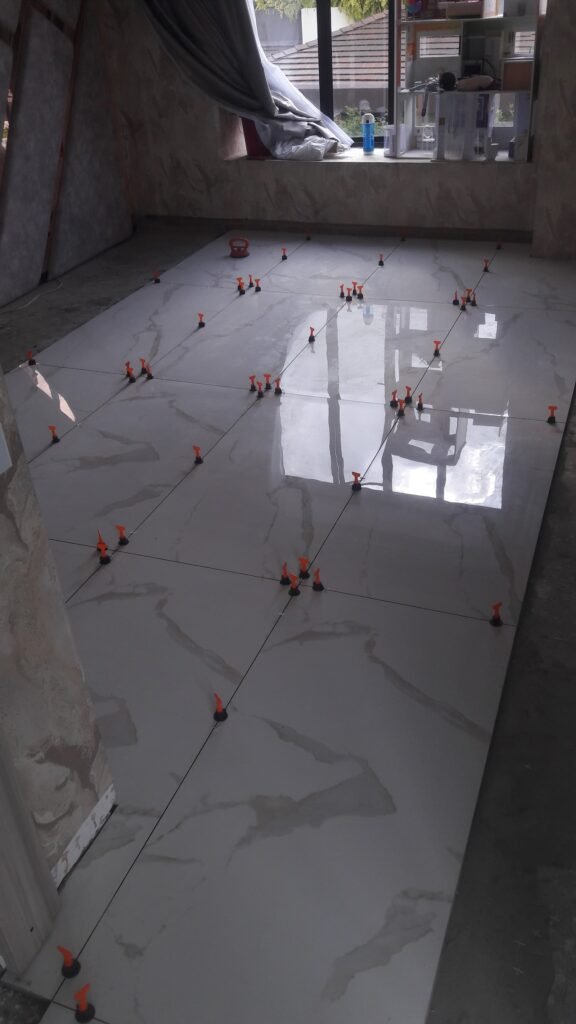
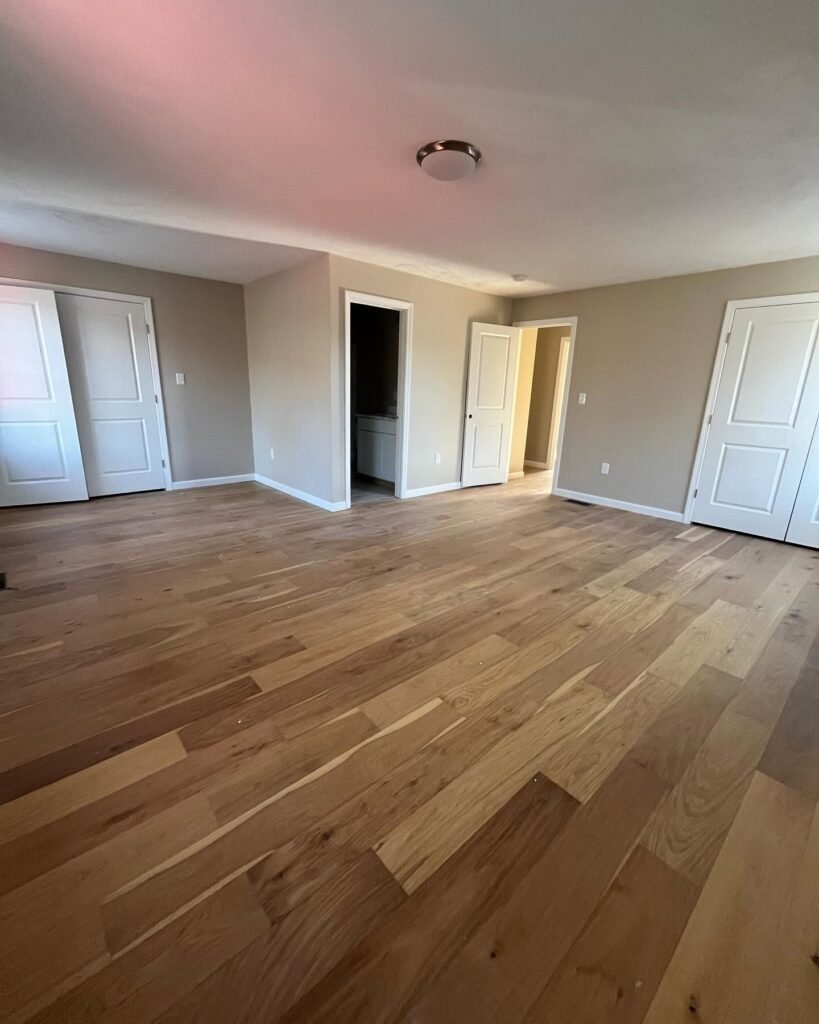
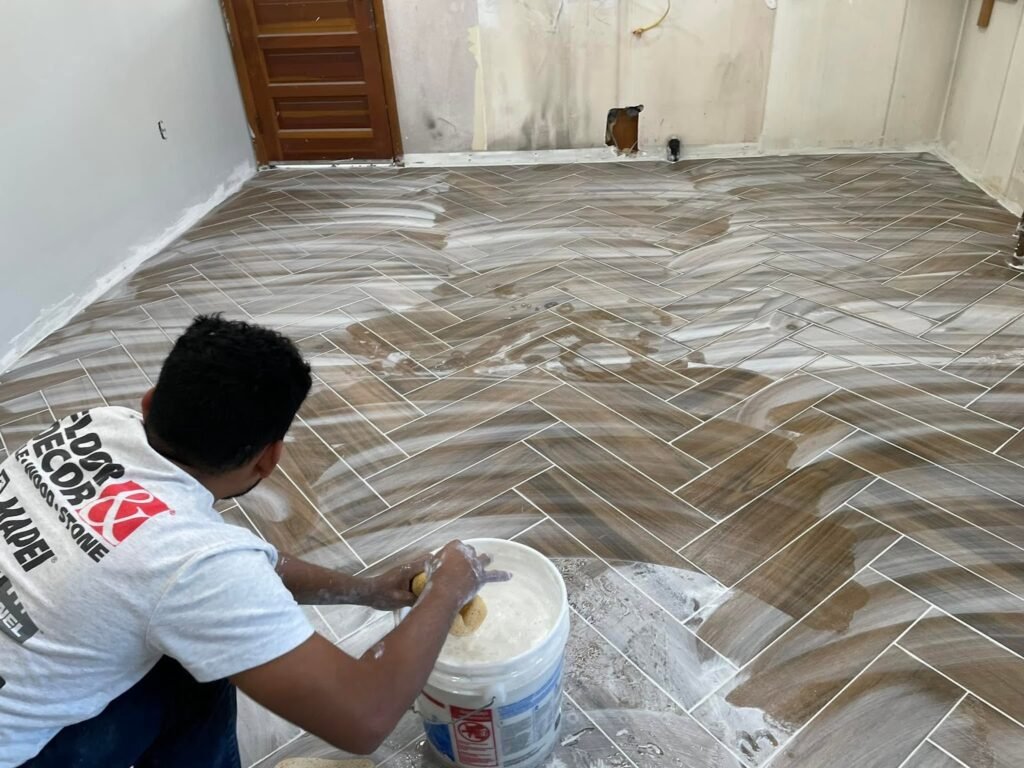
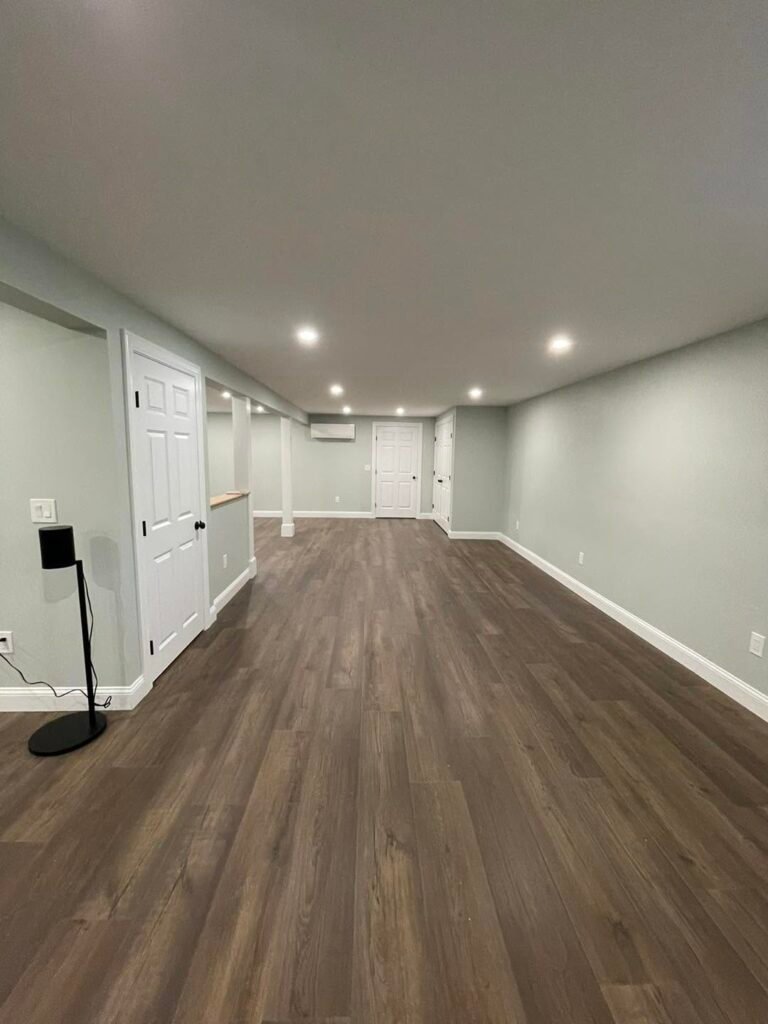
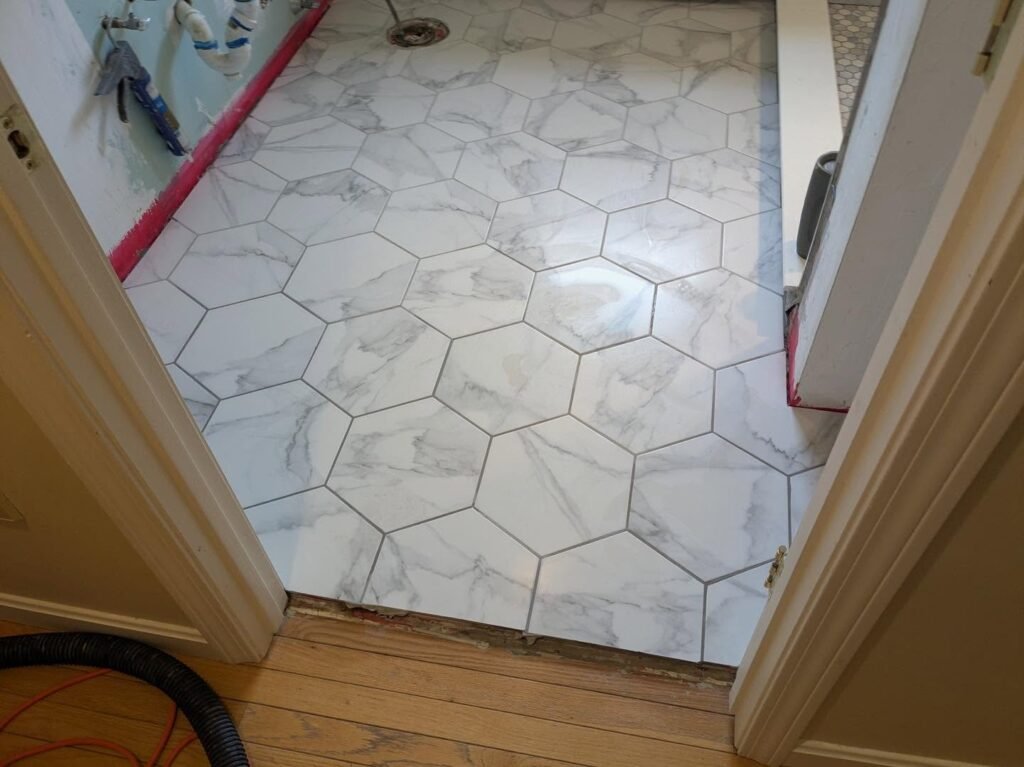
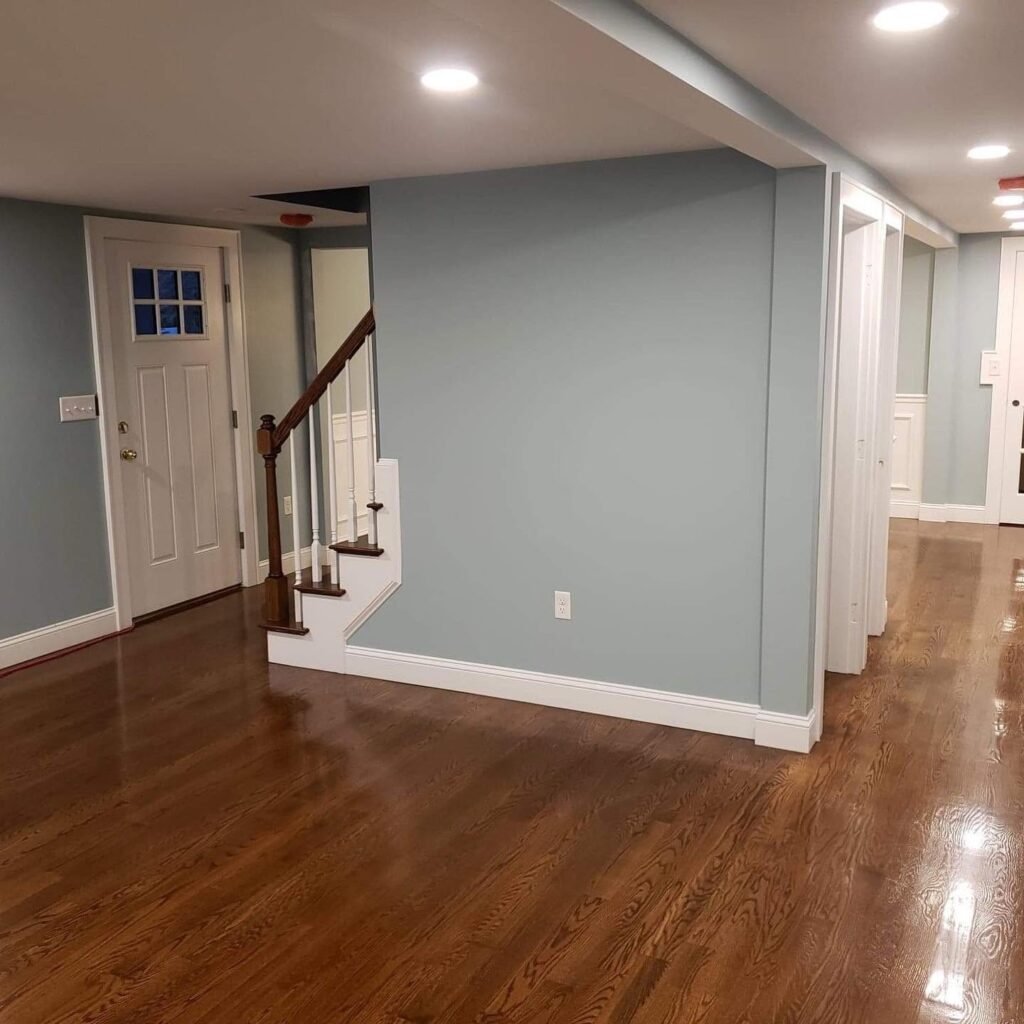
A few real flooring projects completed by our team across Worcester County & Central MA. View our full project gallery →
Explore More
Related Services
Cost Guides
Areas We Serve
Free estimate: (508) 925-0396