Serving Lancaster from 208 Walnut St, Clinton — 5 minutes away
Basement Finishing in Lancaster, Massachusetts
The most affordable square footage in Lancaster is already under your feet. A finished basement turns the space below into the room your house is missing — the winter rec room, the real home office, the gym, the guest suite. We build them the way New England demands: moisture solved before a single stud goes up, radon tested before drywall hides the answer, and the septic questions — the bathroom, the “bedroom” word — answered honestly on day one by the licensed contractor five minutes down the road.
What we build
Basement Finishing Services in Lancaster
From bare concrete to the most-used floor in the house — designed, permitted and built by one licensed team that also handles what’s behind the walls.
Full Basement Finishing
The complete transformation: insulation, framing, electrical, walls, ceilings, flooring and lighting — bare foundation to a warm, code-built level that feels like part of the house, not an afterthought below it.
Basement Bathrooms
The upgrade that makes the whole floor livable — built with eyes open about below-grade plumbing in a septic town: pump systems planned, venting done right, and the true cost in the quote from day one.
Guest & Overflow Spaces
Comfortable quarters for visiting family, boomerang kids or the holiday crowd — with the honest conversation about egress, closets and what the word “bedroom” means for your septic paperwork.
Home Offices & Gyms
The two rooms remote work and long winters made essential — quiet, well-lit, properly heated spaces where the treadmill and the Zoom calls finally stop competing with the dining table.
Moisture Control & Prep
The unglamorous work that makes everything else last: grading and gutter fixes, sump systems, vapor barriers, and drainage solutions sized for rural lots that manage their own stormwater.
Egress Windows & Code Work
Legal sleeping space needs a legal way out. We cut and install code-compliant egress windows and wells — licensed structural work through poured, block and even stone foundations, engineered and inspected.
The chapter no other basement page in the region has
The Septic Questions That Shape a Lancaster Basement
Most basement-finishing advice online assumes a city sewer under the street. Most of Lancaster doesn’t have one — and that changes two decisions more than anyone tells you:
The basement bathroom & the pump
Septic systems run on gravity — and a basement bathroom usually sits below the line that carries waste out to your tank. The standard, time-tested solution is a sewage ejector pump: a sealed basin under the floor that lifts wastewater up to the main line. It’s reliable, code-approved and quieter than people fear — but it’s real equipment with real cost (typically $2,000–$5,000 installed as part of the bathroom) and a component that deserves maintenance respect. The difference between a good contractor and a cheap quote is simple: we put the pump in the plan and the price on day one, instead of letting you discover mid-project why the “bargain” bathroom bid was a bargain.
The “bedroom” word & Title 5
Here’s the conversation worth having before the design, not at a closing table: in Massachusetts, septic systems are sized by bedroom count, and a Title 5 inspection at sale time compares your system’s design capacity against the bedrooms your house actually has. Finish a basement room with a closet and legal egress and it may well count — which is wonderful if your system has capacity, and a genuine complication if it doesn’t. The honest paths: verify your system’s rated capacity first (we pull the records), build the room as a true bedroom if the numbers support it, or design a spectacular den, office or media room that serves the same daily life without touching the count. Either way, you decide with the facts — years before a buyer’s inspector does.
The two tests that come before any design
Dry First. Radon Checked. Then We Talk Finishes.
A beautiful basement over an unsolved problem is just an expensive way to hide the problem. Two checks come before we draw anything:
Water: rural lots manage their own
Much of Lancaster has no municipal storm drains carrying water away from your foundation — your grading, gutters, downspouts and soil do that job, and every spring’s snowmelt grades their work. Before finishing, we read the basement’s history honestly: efflorescence on the walls, high-water marks, the sump pit’s story, how the lot sheds a March thaw. Then we fix causes, not symptoms — regrading and downspout extensions where they solve it, interior drainage and a reliable sump system where they’re needed, vapor management always. The goal is a basement that stays dry in the worst week of spring, because that’s the week your new floor will be judged by.
Radon: the $20 test that beats the $2,000 regret
New England sits on granite, and granite makes radon — an odorless gas that seeps into basements and matters most in the rooms people spend hours in, which is exactly what a finished basement becomes. The smart sequence is almost absurdly cheap: test before finishing (a short-term kit costs less than a pizza night), and if levels are elevated, install mitigation — typically $1,500–$3,000 — while the basement is still open and the piping is easy to run. Testing after the fact costs the same; mitigating around finished walls doesn’t. We build the test into our process so the healthiest room in the house isn’t an assumption — it’s a measurement.
Three centuries of foundations
Lancaster’s Basements, Foundation by Foundation
In the oldest town in Worcester County, “basement” means three very different things depending on when your house was born. Under the colonials and antiques along the Main Street corridor, you’ll often find fieldstone foundations — beautiful, structurally noble, and honest-to-goodness cellars, sometimes with low ceilings or stone that breathes moisture by design. Some can become extraordinary finished spaces with the right approach; others are best left as proud utility cellars, and we’ll tell you which yours is instead of selling you a project it shouldn’t host. Cutting egress through stone is genuine structural surgery — licensed, engineered work that happens to be exactly what our CSL covers.
The post-war capes and ranches around Lancaster Center sit on block and poured foundations that make excellent candidates — solid, dry-able, with enough headroom for real rooms. And the newer homes in Lancaster’s more recent neighborhoods are the easy wins: poured concrete, taller ceilings, modern drainage — basements practically waiting for their promotion from storage to the family’s favorite floor.
What Lancaster families actually build down there
The winter headquarters: when it’s dark at 4:30 from November to March, a warm rec room downstairs is worth more than any deck — movie nights, game tables, kids’ chaos with a door that closes.
The real office: remote work came to stay. A quiet, finished room with proper light and heat beats the kitchen-table setup every single workday.
The gym that gets used: equipment in a cold, unfinished basement is storage. The same equipment in a bright, warm room is a routine.
Sound familiar?
When It’s Time to Finish the Basement
Nobody finishes a basement on a whim — a moment arrives when the space upstairs stops fitting the life inside it:
Straight answers
What Basement Finishing Costs in Lancaster, MA (2026)
Honest Central Massachusetts ranges — with the below-grade line items other quotes conveniently forget until month two:
| Project scope | Typical range | What it includes |
|---|---|---|
| Open-concept finish (rec room / office, ~600–800 sq ft) | $30K–$55K | Insulation, framing, electrical, walls, ceilings, flooring and lighting — the bare basement become the house’s favorite new floor. |
| Full finish with bathroom | $55K–$90K | Everything above plus a complete bath — including the ejector pump system a septic-town basement bathroom honestly requires. |
| Guest-suite level | $90K–$140K | Finished living space, full bath, and sleeping quarters with code egress — designed around your septic capacity, verified first. |
| Moisture, egress & prep work | Itemized | Sump systems, drainage, vapor control, radon mitigation ($1,500–$3,000) and egress windows ($3,500–$8,000+) — priced per your basement’s actual needs, in writing. |
What moves the number: the bathroom (plumbing plus pump), egress cuts (and what your foundation is made of — poured is routine, stone is surgery), ceiling-height solutions, and how much moisture prep your basement’s history demands. We recommend a 10–15% contingency below grade, because foundations keep the house’s oldest secrets. Every quote itemizes prep separately from finishes, so you can see exactly what you’re buying — and compare other bids on substance instead of hope.
Financing available for larger projects. Your price is clear, written, and confirmed before any work begins — and if we open a wall and find a surprise, you get photos and options, never a silent change order.
How it works
From Concrete Floor to Favorite Floor
The sequence protects you: every unknown is answered while it’s still cheap to answer.
Moisture & radon check
We read the basement’s water history, test radon, and pull your septic records — the three facts every honest design depends on.
Design & permits
Layout built around your family’s real use, priced in writing, and permitted through Lancaster’s building department at the Prescott Building.
Prep & rough-in
Moisture solutions installed, framing up, electrical and plumbing roughed in — then inspected before a single wall closes.
Insulation & finishes
Proper below-grade insulation, walls, ceilings, flooring, trim and lighting — the craftsmanship layer, photographed as it happens.
Inspections & walkthrough
Final inspections passed, punch list closed, and a walkthrough of a legal, warm, dry level that adds value on paper and in daily life.
Want the full picture? Read about our process — and see the spaces we’ve already finished.
Proof, not promises
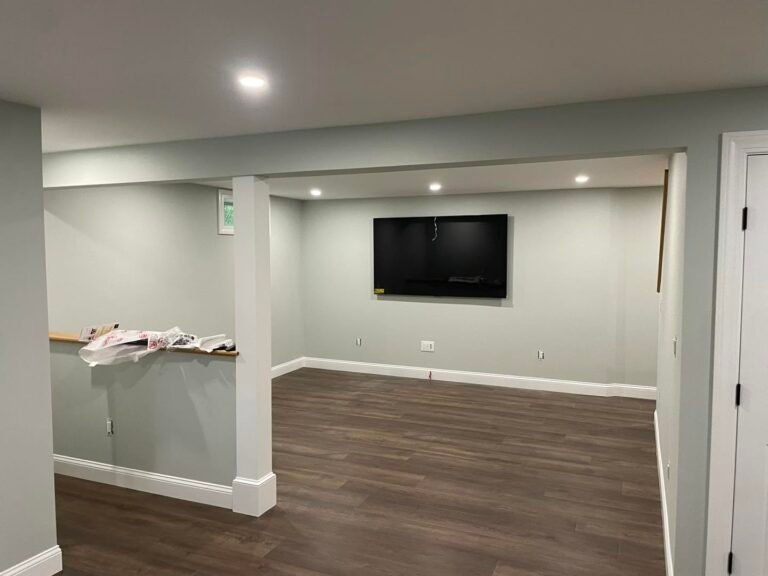
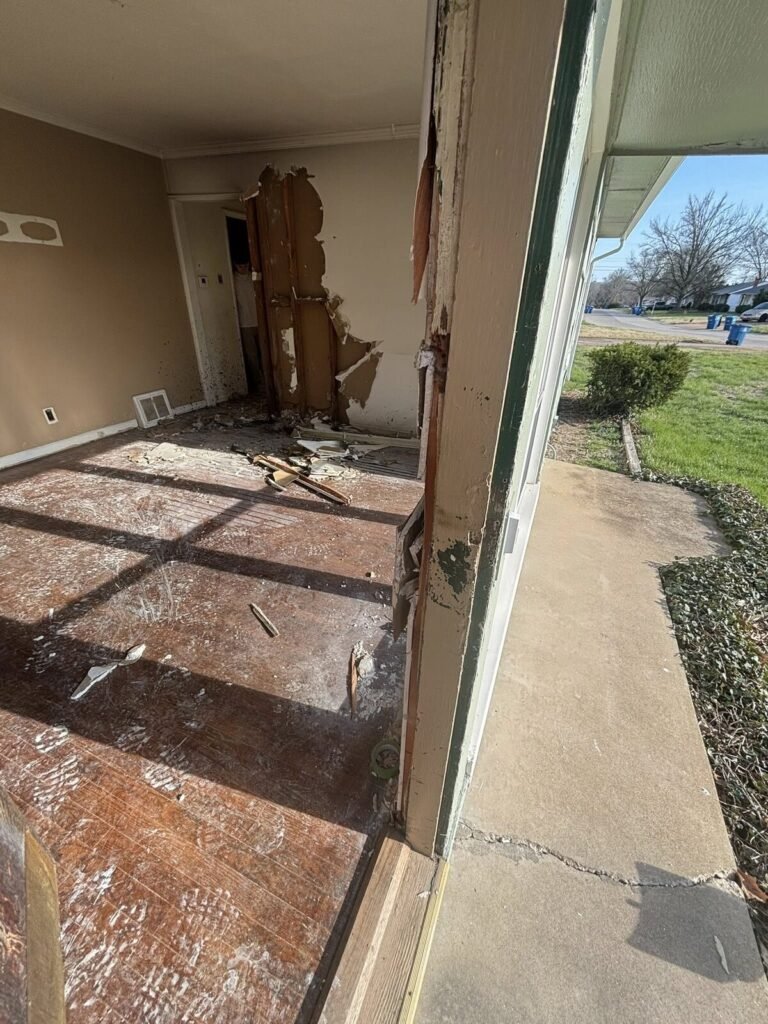
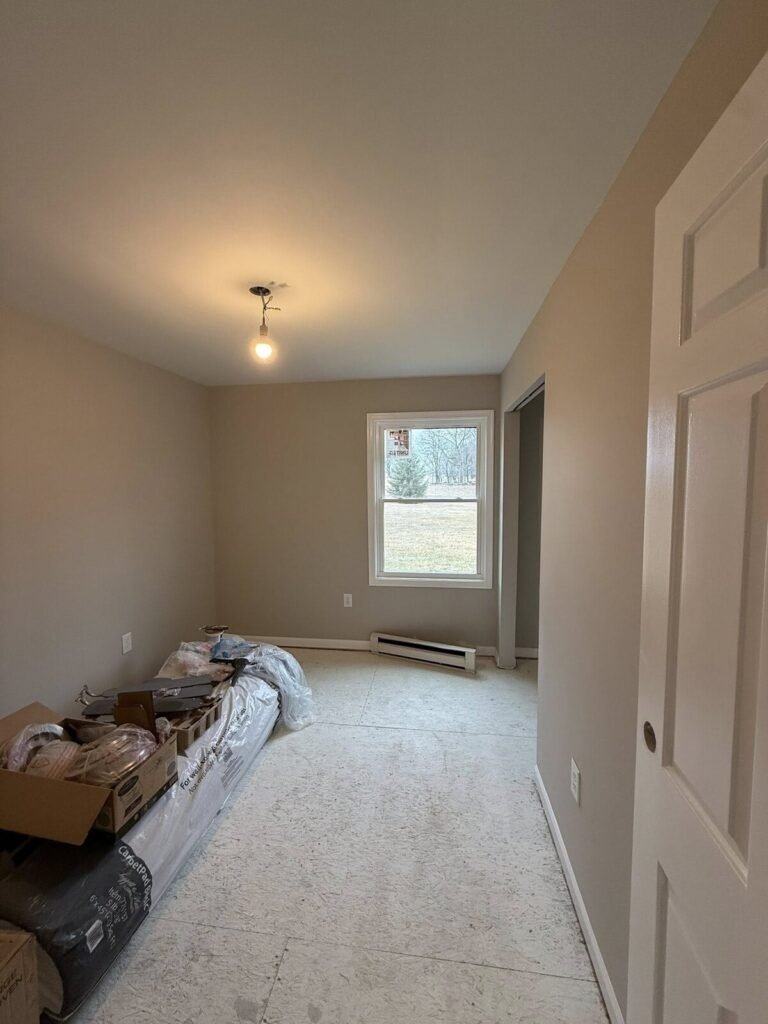
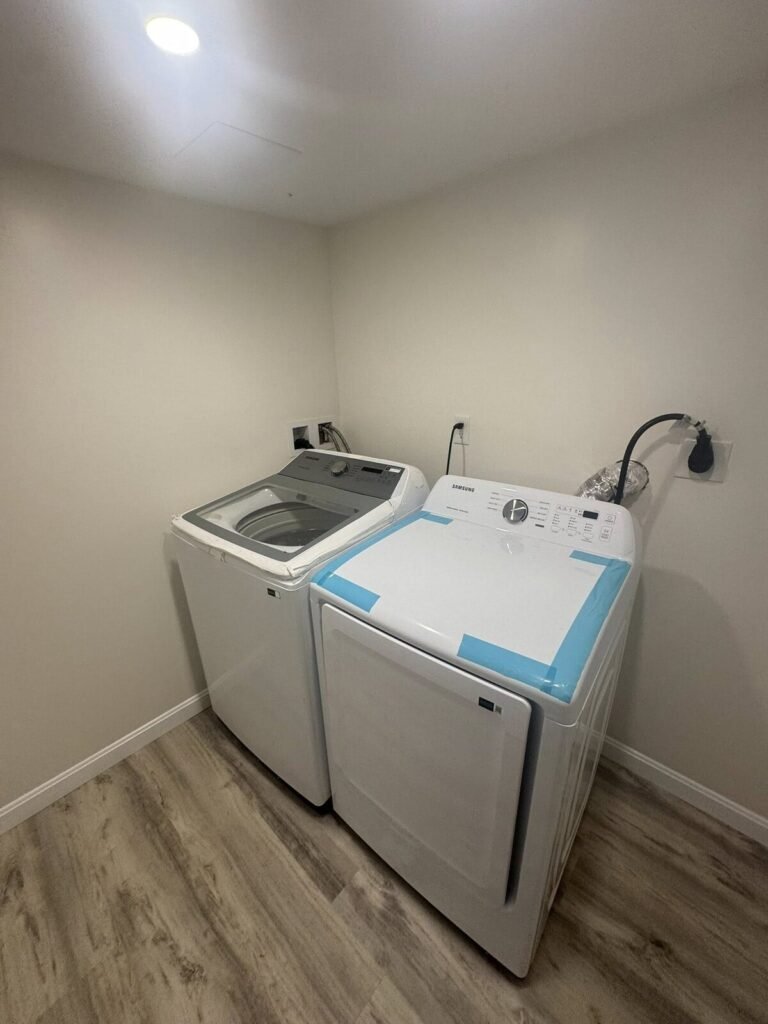
Finished Basements & Living Spaces by JM All-Pro Services
Real projects from our crew across Lancaster’s corner of Worcester County.


Why homeowners choose us
The JM All-Pro Standard, Below Grade
5.0 ★ · 81+ verified reviews on Google, Facebook & Home Depot
What Homeowners Say About Working With Us
“We first thought the damage was only in one small area, but once the work started, more wood rot was found. Everything was explained before any extra repairs were done, and we received photos showing what was damaged and what needed to be replaced. Communication was easy throughout the project, and the updates helped us understand what was going on. The damaged wood was replaced, everything was sealed properly, and the area now feels solid and looks much better.”
“They completed a general renovation for us and made the whole process much easier than we expected. Communication was consistent, we received photos and updates throughout the job, and everything was explained clearly whenever a decision needed to be made. The finished work came out very well, and the project was handled in an organized and professional way. We had a positive experience and would feel comfortable recommending them to others.”
“I found Jonathan through a Home Depot Pro referral. He responded quickly, answered my questions, and made the process easy from the beginning. His estimate was fair, and he was clear about what the work would involve. Jonathan and his crew were professional, dependable, and easy to work with. Everything went smoothly, and I was happy with the overall experience.”
Good questions
Basement Finishing in Lancaster — FAQ
How much does it cost to finish a basement in Lancaster, MA?
In Central Massachusetts, an open-concept finish of roughly 600–800 square feet — rec room, office, gym — typically runs $30,000–$55,000. Add a full bathroom and you’re at $55,000–$90,000, and a complete guest-suite level with code egress runs $90,000–$140,000. Moisture prep, radon mitigation and egress windows are itemized separately based on what your basement actually needs. Every number is confirmed in writing after the free assessment — and the assessment includes the honest below-grade checks most quotes skip.
Can I put a bathroom in my basement if I’m on septic?
Yes — thousands of Massachusetts homes have one — but the physics need respecting. Septic lines run on gravity, and a basement bath usually sits below the pipe out to your tank, so the standard solution is a sewage ejector pump: a sealed basin that lifts wastewater up to the main line. It’s reliable, code-approved equipment that typically adds $2,000–$5,000 to the bathroom, and it belongs in the quote from day one. If a basement-bathroom bid seems suspiciously cheap in a septic town, this line item is usually what’s missing.
Can we make a legal bedroom down there — and does it affect my septic?
Both halves of that question matter. A legal bedroom needs code egress — a properly sized window or door for emergency escape — which we cut and install as licensed structural work. The septic half is the one nobody mentions: Massachusetts sizes septic systems by bedroom count, and a Title 5 inspection at sale time compares your system’s rated capacity to the bedrooms the house actually has. We pull your septic records first; if there’s capacity, we build the bedroom properly, and if there isn’t, we’ll design a den, office or media room that lives just as well without touching the count. You choose with the facts — years before a buyer’s inspector weighs in.
My basement gets damp in spring. Can it still be finished?
Usually yes — after the moisture is solved, never instead of solving it. Much of Lancaster manages its own stormwater, so the fixes often start outside: grading that slopes away from the house, gutters and downspout extensions that move roof water far from the foundation. Where that’s not enough, interior drainage and a reliable sump system handle what the soil sends, with vapor barriers managing the rest. What we won’t do is frame over an active water problem — a finished basement that floods is the most expensive version of both problems.
Should I test for radon before finishing?
Absolutely — it’s the cheapest smart decision in the whole project. New England’s granite geology makes radon common, and a finished basement turns occasional-visit space into hours-per-day space, which is exactly when radon levels matter. A short-term test costs almost nothing; if levels are elevated, mitigation typically runs $1,500–$3,000 and installs far more easily while the basement is open. We build the test into our pre-design process, so the answer is a measurement, not a hope.
Our house is old — the cellar has stone walls. Can it be finished?
Sometimes wonderfully, sometimes honestly not — and Lancaster’s antique homes deserve a straight answer either way. Fieldstone foundations breathe moisture by design, ceiling heights can be low, and cutting egress through stone is genuine engineered surgery. Some of these cellars, with the right moisture strategy and realistic expectations, become extraordinary character spaces; others serve the house best as proud utility cellars while the finishing budget goes toward an addition or another project entirely. We’ll assess yours and tell you which it is — including when the right answer is “don’t.”
How long does basement finishing take?
Most Lancaster basement projects run 6–10 weeks of construction: prep and moisture work first, then framing and rough-ins, inspections, insulation, and the finish stretch of walls, flooring and trim. Add design and permitting time up front — typically a few weeks with Lancaster’s building department. You get a written schedule before we start, progress photos as we go, and a crew that treats the floor above (where your family is living the whole time) with the respect our reviews describe.
Do I need permits to finish a basement in Lancaster?
Yes — building, electrical and plumbing permits, filed with Lancaster’s building department at the Prescott Building, 701 Main Street, with inspections at rough-in and completion. It’s worth doing right for a very practical reason: unpermitted basement finishes are a classic Massachusetts home-sale problem — they surface in buyer inspections and can force rework at the worst possible time. We file everything under our license, handle every inspection, and deliver square footage that counts in your home’s value on paper.
My ceiling is low. Is finishing still worth it?
Often, yes — with design that works with the height instead of fighting it. Low-profile ceiling treatments preserve every inch, strategic lighting makes rooms feel taller than the tape measure says, and mechanical runs get routed and boxed where they intrude least. There are real code minimums for habitable rooms, and some antique cellars fall below them — we measure honestly at the assessment and tell you what your height supports, from full living space to a great workshop-and-storage level done beautifully.
Does a finished basement actually add value in Lancaster?
Yes — twice. In daily life, it’s the highest-use space most families add: the winter rec room, the office, the gym, used every single day in a way a guest room never is. In resale, finished below-grade space adds real value (buyers love it), with the honest note that appraisers typically value it somewhat below above-grade square footage. Permitted, dry, radon-checked and well-built is what separates the basement that helps a sale from the one that complicates it — which is exactly the version we build.
Can you also handle the bar, built-ins or a kitchenette?
Yes — the fun layer is our favorite part. Wet bars and kitchenettes, built-in media walls, storage benches, workout-room mirrors and flooring, egress-window seats — designed into the plan rather than bolted on after. One note from the septic chapter: a kitchenette’s sink plumbing joins the same below-grade drainage conversation as a bathroom, so it’s planned (and priced) with the same honesty from day one.
Do you speak Spanish? ¿Hablan español?
Sí. Atendemos a nuestros clientes en español e inglés — desde la evaluación inicial hasta la entrega del proyecto. Llámenos al (508) 925-0396.
Where we work
Finishing Basements in Lancaster and Beyond
Based at 208 Walnut St in Clinton, we finish basements across northern Worcester County. Planning bigger? See our ADUs & home additions in Lancaster, our full Lancaster remodeling services — or, next door, basement finishing in Clinton.
The square footage is already yours
Get Your Free Basement Assessment
One visit answers everything that matters: moisture history, radon, septic capacity, ceiling height, and the honest budget for the basement your house can actually support. Prefer to talk it through first?
(508) 925-0396English & Español · 208 Walnut St, Clinton, MA 01510 — 5 minutes from Lancaster
Request my assessment
Tell us about your basement and what you’d love it to become — photos of the space help.
Get My Free AssessmentFree, no obligation · Financing available