Aging-in-Place Remodeling Stay in the home you love — safely, comfortably, independently.
MA contractor specializing in home modifications for seniors and individuals with mobility challenges. Grab bars, walk-in showers, wider doorways, first-floor bedrooms, stair lifts, ramps, non-slip flooring. Making your existing home work for the next chapter — without moving to assisted living.
The Conversation Nobody Wants to Have — Until They Need To
A parent slips in the shower. A spouse has trouble with stairs after surgery. A grandparent can’t reach the cabinets anymore. Suddenly, the home they’ve lived in for 30 years has become an obstacle course. The family discussion shifts from “someday” to “this week.”
Moving to assisted living costs $5,000-$10,000 per month in Massachusetts. A one-time aging-in-place remodel — grab bars, walk-in shower, wider doors, first-floor bedroom — costs a fraction of one year of assisted living and lets your loved one stay in the home they know, in the neighborhood they love, with their independence intact.
At JM All-Pro Services, we approach aging-in-place projects with sensitivity, practicality, and respect. We’re remodeling contractors — not medical professionals — but we understand the modifications that make daily life safer and more comfortable. Every modification is done with dignity in mind. Grab bars that look like designer towel bars. Walk-in showers that look spa-worthy. Ramps that blend with landscaping. Nothing institutional.
Home Modifications We Make
Aging-in-place remodeling covers everything from a single grab bar to a full first-floor master suite conversion. The most requested modifications:
Bathroom Accessibility
Most Critical RoomBathrooms cause the most falls in the home. The combination of water, smooth surfaces, stepping over tub walls, and small spaces creates daily risk. These modifications address the biggest hazards:
- Zero-threshold (curbless) shower entry
- Built-in shower bench or fold-down seat
- Grab bars at toilet, shower, and tub
- Hand-held shower head on slide bar
- Non-slip tile or textured flooring
- Comfort-height toilet (17-19″ vs standard 15″)
- Lever faucet handles (not twist knobs)
Doorway & Hallway Widening
Mobility AccessStandard interior doorways are 30-32 inches wide. Walkers need 34 inches minimum. Wheelchairs need 36 inches. Widening doorways is one of the most impactful accessibility modifications:
- Widen to 36″ for wheelchair/walker access
- Offset hinges add 2″ without reframing
- Lever handles replace round knobs
- Pocket doors or barn doors save swing space
- Threshold reduction or elimination
- Hallway grab rails for support
First-Floor Living Conversion
Eliminate StairsWhen stairs become impossible, the whole second floor becomes inaccessible. Converting first-floor rooms into a complete living suite — bedroom, bathroom, kitchen access — lets someone live entirely on one level:
- Convert dining room or den to bedroom
- Add first-floor full bathroom
- Laundry moved to first floor
- Kitchen modifications for reach and safety
- First-floor closet system
- Emergency exit accessible from bedroom
Stair Solutions
When Stairs RemainSometimes eliminating stairs isn’t possible. These solutions make existing stairs safer or avoidable:
- Continuous handrails on both sides
- Stair lift installation (seated platform)
- Non-slip stair treads
- Improved lighting at stairs
- Contrasting nosing strips for visibility
- Landing modifications for rest points
Entry & Exterior Access
Getting In and OutGetting into and out of the house safely — especially in MA weather — is critical. Ramps, railings, and entry modifications:
- Wheelchair ramp (permanent or modular)
- Zero-step entry at one entrance minimum
- Exterior handrails (both sides of steps)
- Motion-sensor exterior lighting
- Keyless / smart lock entry
- Non-slip walkway surfaces
Lighting & Electrical
Visibility + ReachVision declines with age. Poor lighting causes falls. Switches that are hard to reach create daily frustration. Simple electrical improvements make huge differences:
- Brighter LED lighting throughout
- Motion-sensor lights in hallways/bathrooms
- Rocker light switches (easier than toggle)
- Outlets raised to 18-24″ from floor
- Night lights in hallways and bathrooms
- Task lighting at kitchen counters
Kitchen Modifications
Reach + SafetyKitchens designed for 30-year-olds don’t work for 80-year-olds. Upper cabinets too high, counters too deep, appliances hard to reach. Targeted modifications maintain cooking independence:
- Pull-down shelving in upper cabinets
- Pull-out drawers in lower cabinets
- Lever faucet handles
- Side-opening oven or wall oven
- Contrasting counter edges for visibility
- Anti-scald faucet controls
Flooring & Surfaces
Fall PreventionFlooring is the #1 fall prevention surface in the home. Eliminating trip hazards and adding slip resistance throughout:
- LVP flooring (slip-resistant, cushioned)
- Eliminate carpet-to-tile transitions
- Remove or secure area rugs
- Flush transitions between rooms
- Non-slip tile in wet areas
- Remove raised thresholds
The Bathroom — Where 80% of Aging-in-Place Work Happens
The bathroom is where most home injuries occur for seniors. Slippery surfaces, stepping over tub walls, reaching for products, getting up from low toilets — every bathroom activity involves balance and risk. Most aging-in-place projects start here. Our most-requested bathroom modifications:
Zero-Threshold Shower
No curb to step over. Wheelchair-accessible. Properly sloped floor with linear drain. Looks modern, not medical.
Tub-to-Shower Conversion
Remove bathtub entirely, replace with walk-in shower. Eliminates the highest-risk step in the bathroom.
Built-In Shower Bench
Tiled bench seat inside shower. Permanent, stable, part of the design. Much safer than portable shower chairs.
Grab Bars (Decorative)
ADA-rated grab bars that look like designer towel bars. Brushed nickel, matte black, chrome. Anchored into studs, not drywall.
Comfort-Height Toilet
17-19″ seat height vs standard 15″. Makes sitting and standing dramatically easier. ADA-compliant height.
Hand-Held Shower Head
Detachable on slide bar. Can be used while seated. Adjustable height. Dual-head option keeps wall-mount too.
Non-Slip Floor Tile
Textured or matte-finish tile with high slip-resistance rating. Safe when wet without looking institutional.
Lever Faucet Handles
Single-lever or paddle handles replace round twist knobs. Usable with arthritic hands or limited grip strength.
Who Aging-in-Place Remodeling Is For
Different life situations bring families to aging-in-place remodeling. The people we most commonly help:
Planning Ahead (60-70s)
Healthy and active now but thinking ahead. Making modifications while still independent — before a crisis forces rushed decisions. The smartest approach.
After a Fall or Surgery
A fall, hip replacement, knee surgery, or health event made the home suddenly unsafe. Rapid modifications needed before hospital discharge.
Adult Children for Parents
Adult children noticing parents struggling with stairs, bathtub, or daily tasks. Arranging modifications for Mom or Dad’s home — often as a surprise gift.
Progressive Mobility Conditions
Arthritis, MS, Parkinson’s, or other conditions gradually reducing mobility. Phased modifications as needs evolve over months and years.
Caregiver Needs
Home modifications that make caregiving easier — wider bathrooms for two people, accessible shower for assisted bathing, bedroom near bathroom.
Avoiding Assisted Living
The math: assisted living costs $60,000-$120,000/year in MA. A $30,000-$60,000 aging-in-place remodel is a fraction of one year’s facility cost. Stay home instead.
Our Gentle Process
We approach aging-in-place projects with extra care — understanding the emotional weight of these decisions:
Home Safety Assessment
Walk-through of the entire home with you or your family. Identify fall risks, accessibility barriers, and priority modifications. No pressure — just an honest list of what would help most.
Priority Discussion
Not everything needs to happen at once. We help prioritize: what’s urgent (grab bars, non-slip), what’s important (shower conversion, wider doors), and what can wait (full first-floor suite).
Design with Dignity
Every modification designed to look good, not institutional. Decorative grab bars, spa-style showers, ramps that blend with landscaping. Independence with dignity.
Written Scope + Pricing
Clear written scope, timeline, and pricing. No surprises. Phased options if budget requires staging the work over time.
Minimal Disruption Install
We understand the resident is often elderly or recovering. Work scheduled to minimize disruption. Clean, quiet where possible, respectful of daily routines.
Walk-Through + Education
Show the resident how to use every modification. Practice grab bar positions. Test shower bench. Ensure comfort and confidence with the changes.
What Affects Aging-in-Place Cost
Scope of Modifications
Grab bars only: affordable half-day job. Full bathroom overhaul with zero-threshold shower: multi-day project. First-floor suite conversion: major renovation.
Bathroom Complexity
Adding grab bars to existing bathroom cheapest. Full tub-to-shower conversion mid. Complete accessible bathroom rebuild highest.
Structural Changes
Widening doorways requires reframing and header work. First-floor conversions may need plumbing relocation. Ramps need footings.
Finish Quality
Standard accessible fixtures affordable. Decorative grab bars, designer tile, spa-style shower systems cost more but maintain home aesthetics.
Phasing
Doing everything at once is most cost-efficient. Phasing over months costs more total but spreads payments. We support either approach.
Existing Home Condition
Newer homes easier to modify. Older homes with plaster walls, narrow hallways, and outdated plumbing need more work.
Why Choose JM All-Pro for Aging-in-Place
iDignity-First Approach
Every modification looks like a design choice, not a medical device. Decorative grab bars. Spa showers. Nothing institutional.
iiMA Licensed
CSL #121166, HIC #214808. Insured. Experienced with accessibility modifications across all home types.
iiiSensitive to Residents
We understand elderly residents are often anxious about construction. Respectful, quiet where possible, clean, and scheduled around daily needs.
ivAll Trades In-House
Plumbing for bathroom mods. Electrical for lighting. Framing for doorway widening. Flooring for trip hazard removal. One contractor handles everything.
vPhased Work Available
Don’t need everything at once? We can phase work over months — grab bars now, shower conversion next quarter, ramp in spring.
viFamily Communication
Often the adult children are coordinating. We communicate clearly with whoever is managing the project — including long-distance family members.
viiQuick-Turn Grab Bars
Urgent grab bar installation often same-day or next-day. Hospital discharge requiring grab bars before coming home — we prioritize these.
viiiHonest Assessment
If a modification won’t meaningfully help, we say so. If assisted living is truly the better option for safety, we’ll tell you that too.
✿ Aging-in-Place Service Areas
Based in Clinton, MA. Aging-in-place remodeling across Worcester County, Middlesex County, and MetroWest:
Related Services
Aging-in-Place FAQs
How much does aging-in-place remodeling cost?
Cost ranges enormously based on scope. Simple grab bar installation (3-4 bars) is a small job completable in half a day. Full accessible bathroom conversion (tub-to-shower, grab bars, comfort-height toilet, non-slip floor) is a multi-day bathroom project. First-floor bedroom and bathroom conversion is a major renovation. Most families start with the bathroom and doorways, then add modifications as needed. We provide prioritized scope and pricing after home assessment.
What’s the most important modification to start with?
Bathroom safety — specifically grab bars and shower accessibility. The bathroom is where most home falls happen for seniors. Even before a full shower conversion, adding grab bars next to the toilet and inside the shower/tub (properly anchored into studs) dramatically reduces fall risk. Grab bars can be installed same-day. Start there, then plan bigger modifications.
Will grab bars damage my walls?
Not when installed correctly. We anchor grab bars into wall studs (not just drywall) using proper fasteners rated for the weight load. If studs aren’t in the right position, we install backing plates behind the drywall first. The grab bar covers the mounting area completely. We use decorative grab bars that look like designer towel bars — guests may not even notice they’re accessibility features.
Can you make modifications look good, not institutional?
Absolutely — that’s our philosophy. Decorative grab bars in brushed nickel, matte black, or oil-rubbed bronze. Zero-threshold showers with spa-like tile and glass doors. Ramps that blend with landscaping using composite decking and matching railings. Wider doorways with trim that matches the rest of the house. Every modification should look like a thoughtful design choice.
How long do aging-in-place modifications take?
Grab bars: same-day or half-day. Doorway widening: 1-2 days per door. Tub-to-shower conversion: 3-5 days. Full accessible bathroom rebuild: 5-10 days. First-floor suite conversion: 3-6 weeks. Wheelchair ramp: 2-5 days. We schedule to minimize disruption — particularly important when the resident is elderly or recovering from medical events.
My parent needs grab bars before hospital discharge — how fast can you install?
We prioritize urgent grab bar installations for hospital discharge situations. In most cases, we can install grab bars same-day or next-day. Call (508) 925-0396 directly and explain the urgency — we’ll work to accommodate the discharge timeline. Grab bars at the toilet, shower, and key locations can be installed in 2-4 hours.
Is it better to modify or move to assisted living?
In most cases, modifying is dramatically less expensive. Assisted living in Massachusetts costs $5,000-$10,000+ per month ($60,000-$120,000 per year). A comprehensive aging-in-place remodel (accessible bathroom, wider doors, first-floor bedroom, ramp) typically costs far less than one year of assisted living. The decision depends on the level of daily care needed — if 24-hour medical supervision is required, assisted living may be necessary. For mobility and accessibility issues, home modification is usually the better answer.
Can modifications be done in phases?
Yes — phasing is very common and often practical. Phase 1 might be grab bars and non-slip flooring (the urgent safety items). Phase 2 might be a tub-to-shower conversion 3-6 months later. Phase 3 might be doorway widening and first-floor bedroom conversion the following year. We create a prioritized plan so each phase builds on the previous. Phasing also spreads cost over time.
Do you work with occupational therapists or doctors?
We’re remodeling contractors, not medical professionals — but we’re happy to implement recommendations from occupational therapists, physical therapists, or physicians regarding specific modifications. If an OT has assessed the home and recommended specific grab bar locations, shower bench heights, or doorway widths, we follow those specifications exactly. We can also coordinate with discharge planners for hospital-to-home transitions.
How do I get started?
Call (508) 925-0396 or submit the quote form. The first step is a free home safety assessment — we walk through the home with you or your family, identify fall risks and accessibility barriers, and create a prioritized list of recommended modifications with estimated costs. No pressure, no obligation. For urgent needs (hospital discharge, recent fall), mention the urgency when you call.
✿ Stay in the Home You Love
Free home safety assessment. Walk-through to identify fall risks and accessibility needs. Prioritized modification plan with costs. Grab bars, accessible showers, wider doors, first-floor living. Dignity-first approach — nothing institutional.
Recent Projects
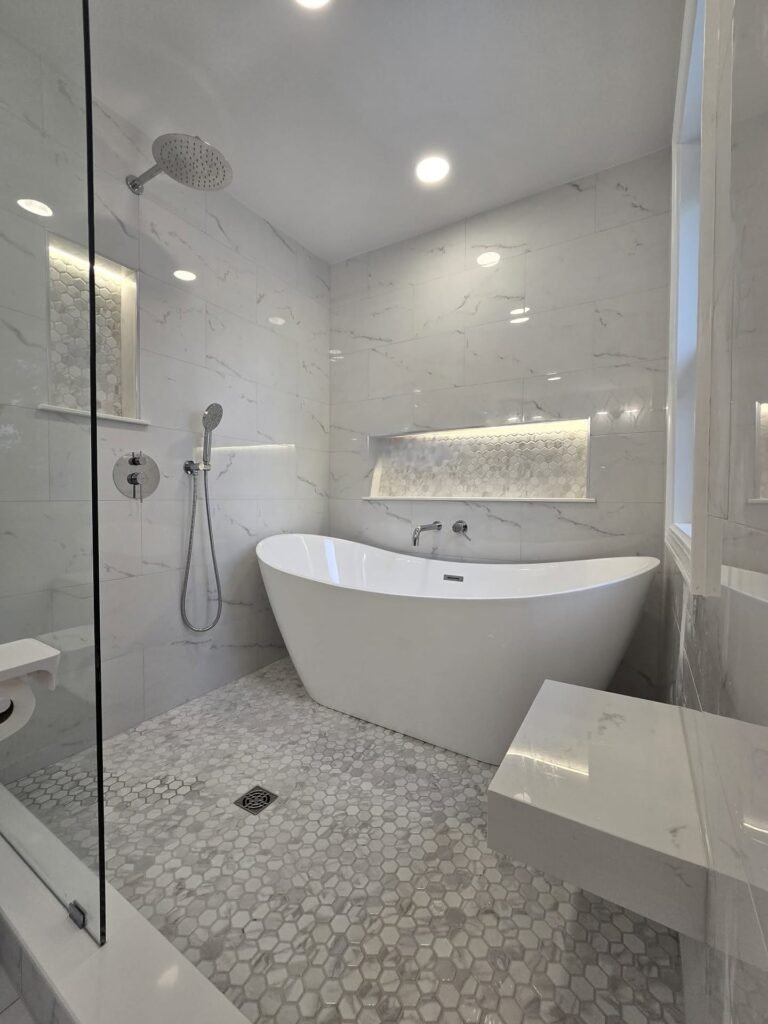
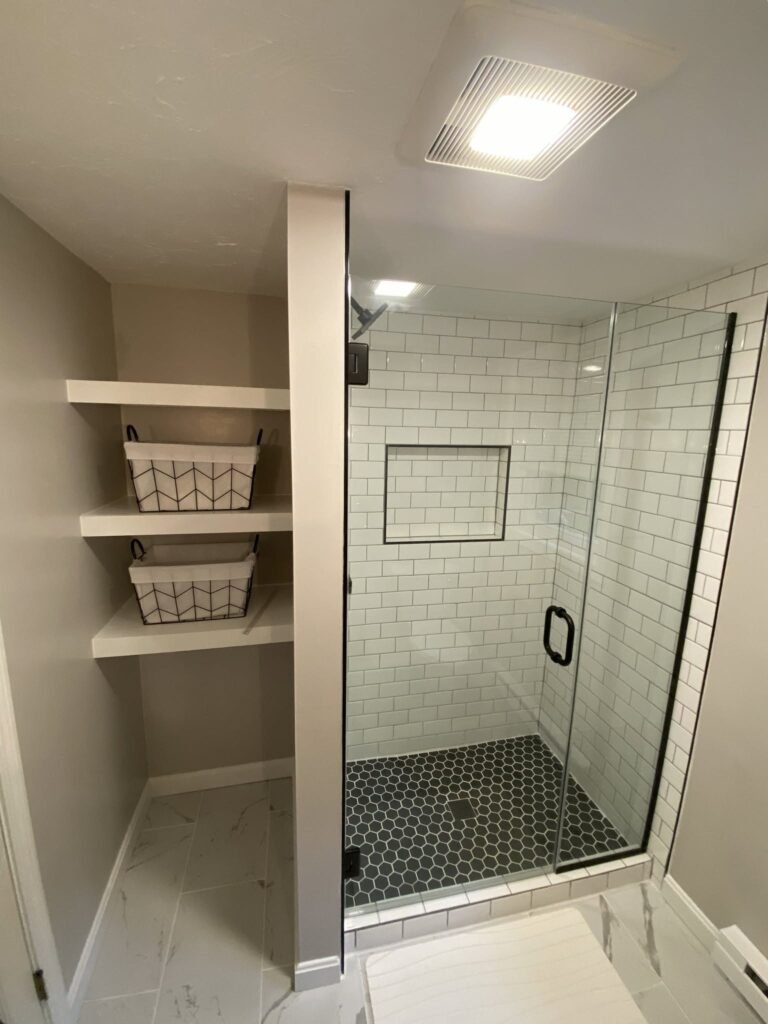
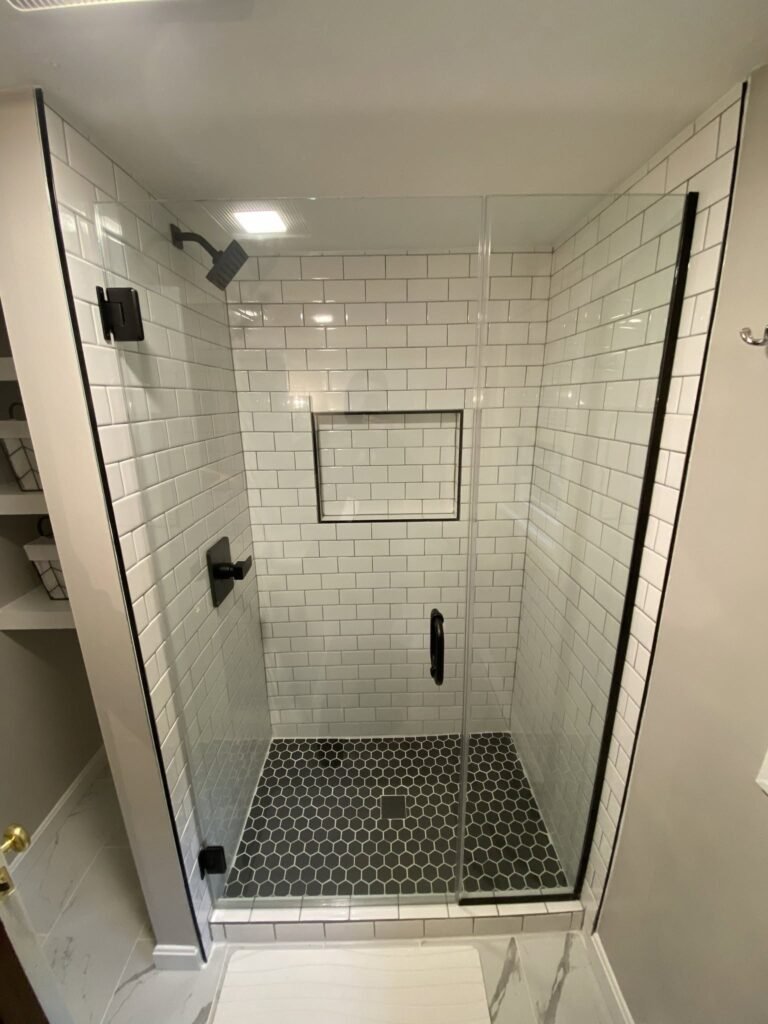
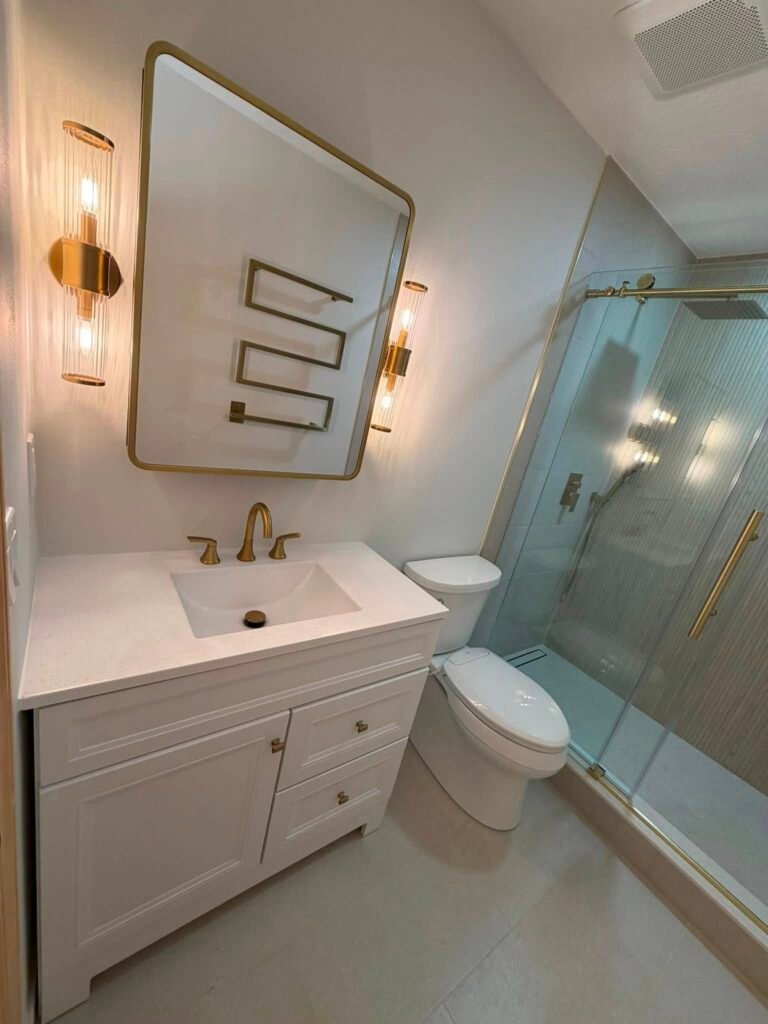
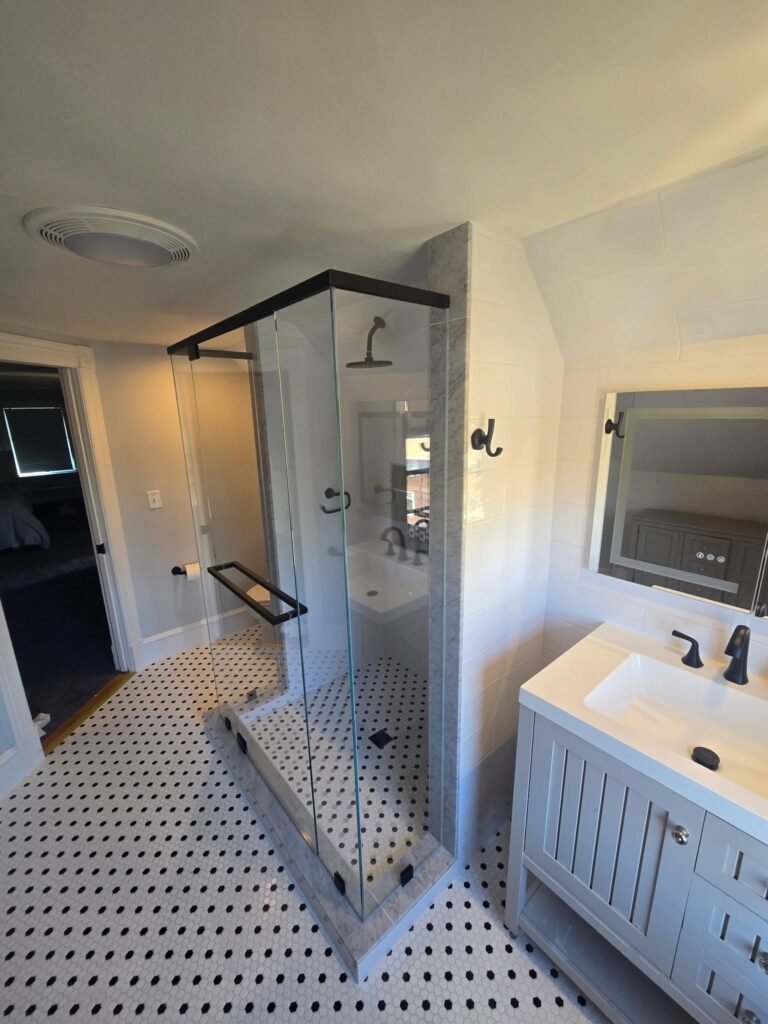
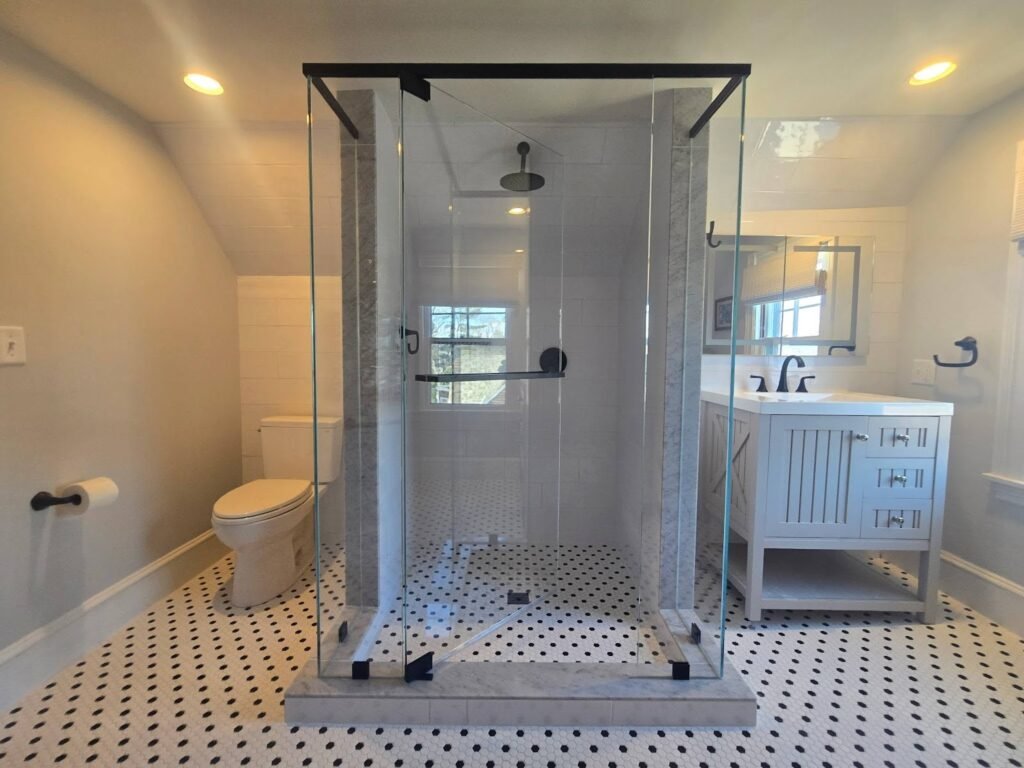
A few real bathroom remodeling projects completed by our team across Worcester County & Central MA. View our full project gallery →
Explore More
Related Services
Cost Guides
Areas We Serve
Free estimate: (508) 925-0396