Home Additions More space without moving — designed, built, and integrated as if it always belonged.
MA design-build contractor for room additions, second-story additions, master suite additions, family room expansions, and full bump-outs. Foundation-to-finish project management. Permit handling, engineering coordination, all trades in-house. Built to seamlessly extend your existing home.
The Smart Way to Get More Space
Your family outgrew the house. The new baby needs a nursery. Your parents are moving in. You want a real master suite instead of the converted spare bedroom. Maybe you just want a proper home office or a real family room. You love the neighborhood, the schools, the yard — you don’t want to move. You want more house.
A home addition is one of the most complex residential construction projects. It involves foundation work, framing tied into existing structure, matching rooflines, integrated HVAC and electrical, multi-trade coordination, town permits, and architectural design that makes the new space look like it was always there. Done well, the addition increases home value by 50-80% of construction cost while solving the space problem permanently. Done poorly, you have a tacked-on room that looks like an afterthought and creates leaks for the next 30 years.
At JM All-Pro Services, we handle home additions across MA as full design-build projects. From the initial design concept through permits, framing, all trades, finishing, and final walkthrough — one project manager, one contract, one accountable team. Additions properly tied into your existing home so the new space feels native, not bolted-on.
Types of Home Additions We Build
Each addition type has its own design, structural, and project management considerations. The most common MA addition projects:
Master Suite Addition
Adding a real primary bedroom suite — typically 400-800 sq ft. King-sized bedroom, walk-in closet, en-suite bathroom with double vanity and shower. Premium addition for owner-occupied homes.
- King bedroom + en-suite bath
- Walk-in closet system
- Often single-story above garage
- 50-70% ROI typical
Second-Story Addition
Adding an entire floor on top of an existing single-story home. Multiple bedrooms, full bath, often shared family space. Maximum space gain on existing footprint. Significant structural engineering required.
- 2-4 new bedrooms typical
- Full bath upstairs
- Existing roof removed/raised
- 6-9 month project
In-Law / Multi-Gen Addition
Adding a self-contained living space for aging parents, adult children, or extended family. Bedroom, bath, often small kitchenette and separate entrance. Can also serve as future ADU.
- Private bath included
- Optional kitchenette
- Separate entrance possible
- Future ADU potential
Family Room Addition
Adding a large living/family room — typically 300-500 sq ft. Opens to backyard with sliders or French doors. Vaulted ceilings common. Connects to existing kitchen as expanded living area.
- Vaulted/cathedral ceiling option
- Backyard doors + view
- Kitchen tie-in for flow
- Daylight maximization
Kitchen Bump-Out
Smaller addition extending existing kitchen 4-8 feet outward. Creates space for island, eat-in dining, or expanded prep area. Cantilevered or with new foundation. Lower budget option.
- 4-8 foot bump-out typical
- Island or eat-in space
- Cantilever or foundation
- 3-4 month project
Sunroom / Four-Season Room
Glassed-in living space addition — three-season (insulated but unheated) or four-season (fully integrated with HVAC). Maximum windows for views and natural light. Premium leisure addition.
- Three-season or four-season
- Maximum glass area
- Connects to deck/patio
- HVAC integration optional
Home Office / Studio Addition
Dedicated workspace addition. Separate entrance for client-facing professional offices. Soundproofing for music or recording studios. Sometimes connected to main house or freestanding ADU-style.
- Separate entrance available
- Soundproof options
- Dedicated HVAC zone
- WFH tax deduction possible
Wing Addition (Full Extension)
Full new wing of the house — multiple rooms across one or two stories. Combines bedroom, bath, family room, sometimes garage. Most significant project type. Custom architectural design required.
- Multi-room program
- Custom architect plans
- 8-12 month project
- Often phased construction
Home Additions — The Numbers That Matter
Home additions are one of the highest-ROI residential investments. Beyond financial return, they solve a problem you actually have: not enough house for your life. Industry data on home addition value:
▸ vs Selling and Buying Bigger: 6-8% in transaction costs (commission, closing, moving), property tax reset on bigger purchase, lost neighborhood/schools/network. Adding to your current home often costs less and keeps everything else stable.
MA Regulatory Process for Additions
Home additions in MA require multiple permit and approval steps beyond standard renovations. We handle all of this — but you should know what’s involved:
Zoning Compliance
Town zoning checks: setbacks from property lines, lot coverage limits, height restrictions, FAR (floor area ratio).
Architectural Plans
Stamped architectural drawings required for permit. We coordinate with architects or use our in-house designs.
Structural Engineering
Foundation design, beam sizing, load calculations stamped by MA-licensed structural engineer.
Building Permit
Town building department review and permit issuance. Typical 4-8 weeks from submission.
Electrical & Plumbing Permits
Separate permits required for electrical and plumbing trades. Pulled by licensed electrician and plumber.
HOA / Historic Approval
If applicable: HOA architectural review committee, historic district commission. Can add weeks-months.
Multi-Stage Inspections
Foundation, framing, electrical rough, plumbing rough, insulation, drywall, final. All scheduled and managed.
Certificate of Occupancy
Final CO issued by town when all inspections pass. Required before legal occupancy of new space.
Who Builds Home Additions
Different life situations drive addition decisions. The most common reasons our clients add to their homes:
Growing Families
Babies arrive. Kids need their own rooms. Family rooms get too small. Adding bedrooms, bathrooms, and living space without leaving the neighborhood you love.
Aging Parents Moving In
Parent needs to live with adult children. In-law suite additions provide privacy and independence while keeping family together.
Empty Nesters Upgrading
Kids moved out. Don’t want to downsize. Adding the master suite they always wanted, or the dream sunroom. Living their next chapter.
Remote Workers
Working from home permanently. Need a proper office that’s not the kitchen table. Dedicated workspace adds value and productivity.
Lifestyle Upgrades
Always wanted a sunroom. Need a real entertaining space. Want a home gym. Adding what makes life better in the home you already love.
Property Investors
Increasing rental income via additional units (multi-family ADU additions) or expanding house size before resale. ROI-focused additions.
Our Home Addition Project Process
Home additions are 4-12 month projects from concept to certificate of occupancy. Our standard phased approach:
Design Consultation
On-site meeting. Understanding your needs, budget, timeline. Initial conceptual design discussion. Zoning feasibility check.
Schematic Design
Concept floor plans, exterior elevations, basic scope. Architect coordination. Two or three iterations to finalize design direction.
Construction Documents
Final stamped architectural drawings. Structural engineering. Material specifications. Detailed contract scope and pricing.
Permits + Pre-Construction
Town permit submission. Zoning Board if needed. HOA/Historic if applicable. Long-lead material orders (windows, custom items).
Site Prep + Foundation
Site protection. Excavation. Footings poured. Foundation walls and slab. Frost-depth requirements per MA building code.
Framing + Roof
Floor framing, wall framing, roof framing. Existing structure tie-in. Roof sheathing and weatherproofing. House becomes weathertight.
Mechanicals + Insulation
Electrical rough-in, plumbing rough-in, HVAC rough-in. Inspections passed. Insulation installed. Air sealing.
Drywall + Interior Finish
Drywall installed and finished. Interior painting. Flooring. Trim and millwork. Cabinetry. Plumbing fixtures.
Exterior Finish
Siding, trim, gutters, exterior paint. Matching to existing house. Landscaping restoration. Punch list completion.
Final Inspections + CO
All final inspections passed. Certificate of Occupancy issued. Final walkthrough. Move-in to new addition.
What Drives Home Addition Cost
Home addition pricing is highly variable based on these factors. Square footage and complexity are biggest:
Square Footage
Primary cost driver. Addition cost per sq ft varies by type — bathrooms and kitchens highest per sq ft, bedrooms lower.
Addition Type
Single-story bump-out cheapest. Master suite mid-high. Second story most complex. Wing addition highest absolute cost.
Foundation Type
Slab on grade cheapest. Crawlspace mid. Full basement most expensive but most useful long-term.
Roofline Match
Matching existing roofline complexity. Simple gable cheapest. Complex hip with valleys premium.
Kitchen / Bath in Addition
Additions with new kitchens or full bathrooms 2-3x cost of bedroom-only additions due to mechanical complexity.
Material Quality
Builder-grade vs custom millwork. Stock windows vs Andersen/Marvin. Standard vs premium finishes.
Site Conditions
Easy access cheapest. Tight urban lots, sloped sites, or limited tree access add cost.
Permits & Engineering
Architectural plans, structural engineering, surveys, permit fees. Standard 5-10% of project cost.
Why Choose JM All-Pro for Your Addition
iDesign-Build Single Source
One contract, one team, one timeline. No coordination chaos between architect and contractor. We own the whole project.
iiMA Licensed
CSL #121166, HIC #214808. Insured. MA construction supervisor with addition project experience.
iiiPermit Management
We handle zoning, building department, HOA, historic district. You sign documents, we handle the runaround.
ivAll Trades Coordinated
Framing, electrical, plumbing, HVAC, drywall, painting, flooring, finishing — all coordinated under one schedule.
vSeamless Tie-In
New addition looks like it always belonged. Matching exterior materials. Aligned rooflines. Floors at right elevation.
viDaily Project Updates
You see what happened each day on your project. Decisions communicated clearly. Surprises don’t lurk.
viiEngineering Coordination
Structural engineers, energy consultants, civil engineers — all coordinated for proper stamped plans.
viiiFixed-Price Contracts
Detailed scope, fixed pricing. Change orders clearly documented if scope changes. No surprise bills.
Home Addition Service Areas
Based in Clinton, MA. Home addition design-build services across Worcester County, Middlesex County, and MetroWest:
Related Services
Home Additions FAQs
How much does a home addition cost in Massachusetts?
Addition cost varies dramatically by type, size, finishes, and complexity. Small bump-outs (100-200 sq ft) are the most affordable. Single-room additions (300-500 sq ft) mid-range. Master suites and family rooms (500-800 sq ft) higher. Full second-story additions and full wings are the highest absolute cost projects. Per-square-foot costs roughly track kitchen/bath density — bedroom additions less expensive per sq ft than additions including kitchens or bathrooms. Detailed estimates provided after design consultation.
How long does a home addition take from start to finish?
Total project timeline including design and permits typically runs 4-12 months. Design phase: 6-10 weeks. Permits: 4-8 weeks (sometimes longer with HOA or historic). Construction: 3-9 months depending on size and complexity. Small bump-outs can complete in 4-6 months total. Large second-story additions or wings run 9-12 months. Weather and permit delays can extend timelines.
Can I stay in my house during construction?
For most additions, yes — you can stay in your existing home while the new addition is built. The new construction happens outside your existing walls. There’s typically one “tie-in” period of 1-2 weeks where existing walls are opened up to connect spaces — during this time you may want to be elsewhere or live in the unaffected parts of the house. Second-story additions require more disruption since roofs come off, but planning helps.
Do I need an architect?
For most additions over 200 sq ft, yes — stamped architectural drawings are required for building permits in MA. We can coordinate with architects we work with regularly, or in some cases, we can produce in-house designs for permit submission if your project is straightforward. Smaller bump-outs may not require formal architectural plans. We confirm during initial consultation.
What about zoning and setback requirements?
Every MA town has its own zoning bylaws regulating setbacks (distance from property lines), lot coverage maximums, height limits, and floor area ratio (FAR). Some towns are restrictive on lot coverage and require variances for additions. We do a zoning feasibility check early in the design process — before you spend money on detailed plans for an addition that can’t be permitted.
Will my addition match the existing house?
That’s the goal of every addition we build. We match siding type, color, roof pitch, window styles, trim profiles, and architectural details. Existing house painted? We can repaint the existing exterior to match the new addition for unified appearance. Some details (older siding profiles, original brick) require sourcing or custom work — we handle that.
What’s the difference between an addition and an ADU?
An addition extends your house — same legal property, same household, same systems. An ADU (accessory dwelling unit) is a separate legal dwelling — own kitchen, bathroom, entrance, often own meter. ADUs can be rented out legally; additions are part of your single-family home. MA’s 2024 Affordable Homes Act made ADUs by-right in most towns. Some additions can be designed to potentially convert to ADUs later.
Can you do additions on small lots?
Yes, but tight lots constrain design options. Setback requirements limit how close to property lines you can build. We work within zoning constraints to maximize the addition possible. Some lots require zoning variances — additional time and approval risk but often successful. We assess feasibility upfront.
What about historic district homes?
Homes in historic districts require Historic Commission approval before exterior changes. Design must respect historic character — matching materials, profiles, scale. Approval can add 4-8 weeks to timelines. We’ve handled historic district additions and know how to design proposals that get approved.
How do I get started?
Call (508) 925-0396 or submit the quote form. The first step is a free in-home consultation where we walk your property, discuss your needs and budget, do a quick zoning feasibility check, and outline next steps. Serious projects move to schematic design after the initial consultation. Most clients are 6-12 months from move-in to their new addition.
Your Bigger House Starts with a Conversation
Free in-home design consultation. Discuss your needs, budget, and timeline. Zoning feasibility check. Outline of design-build process. From concept to certificate of occupancy in 4-12 months — we handle it all.
Recent Projects
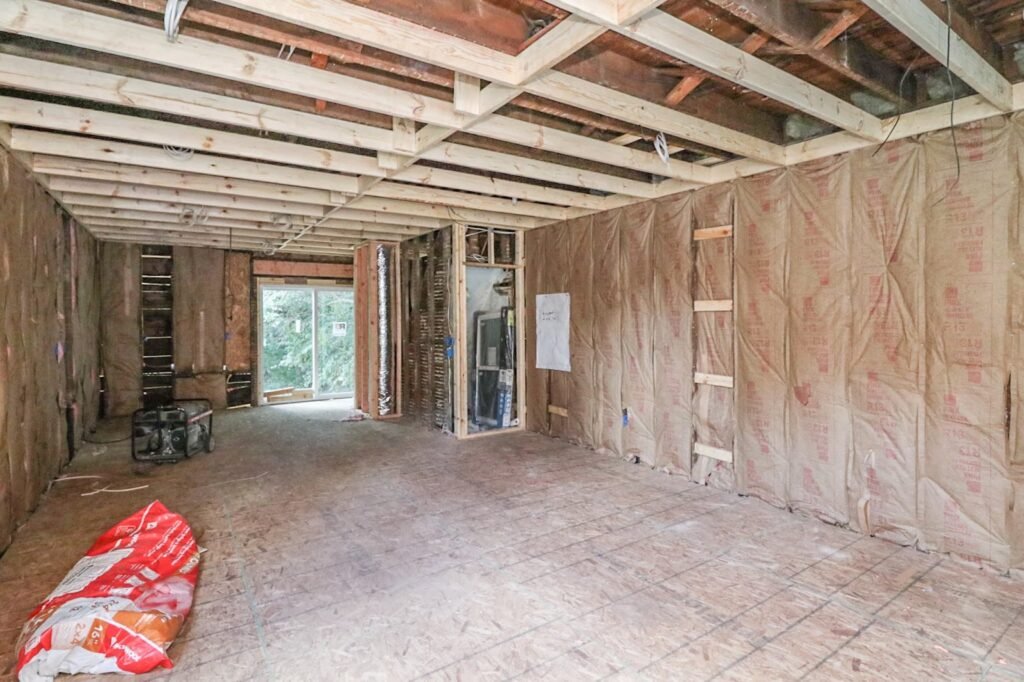
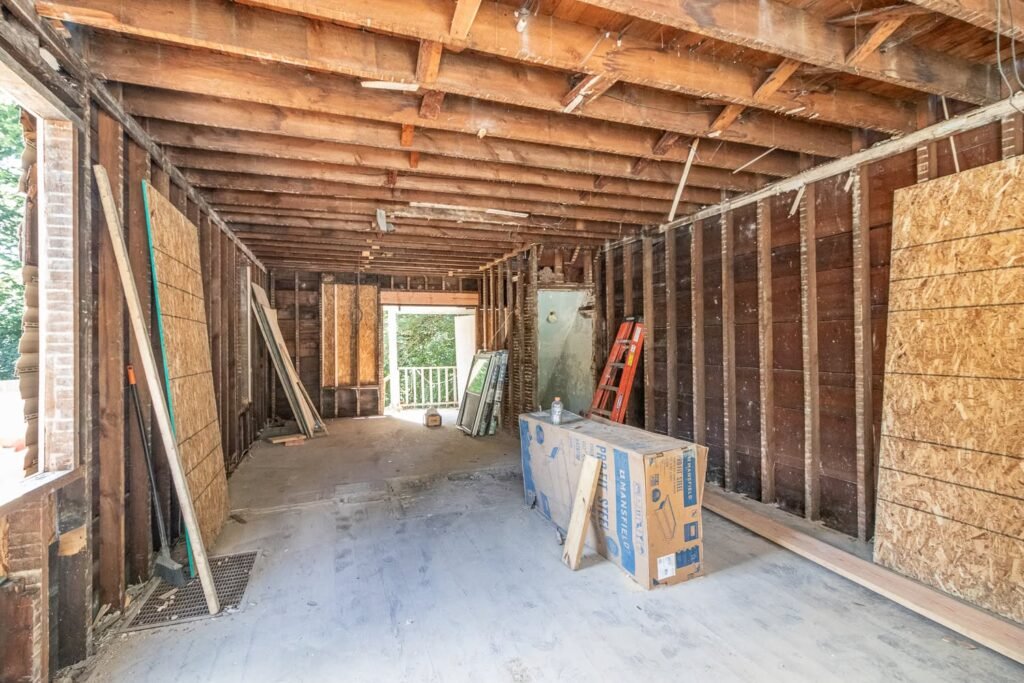
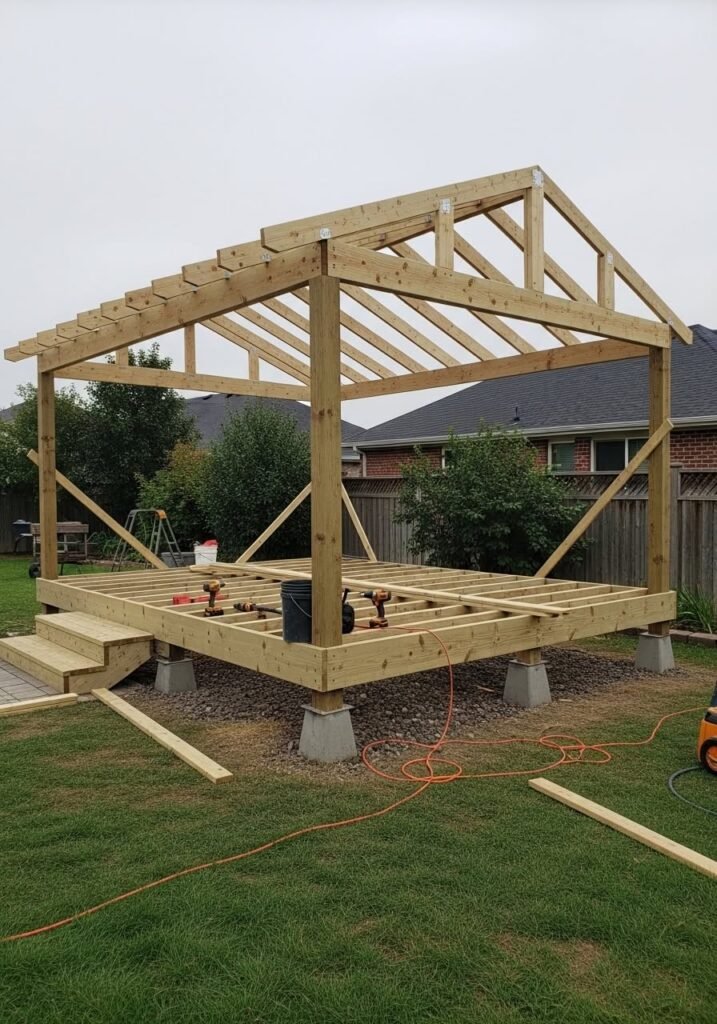
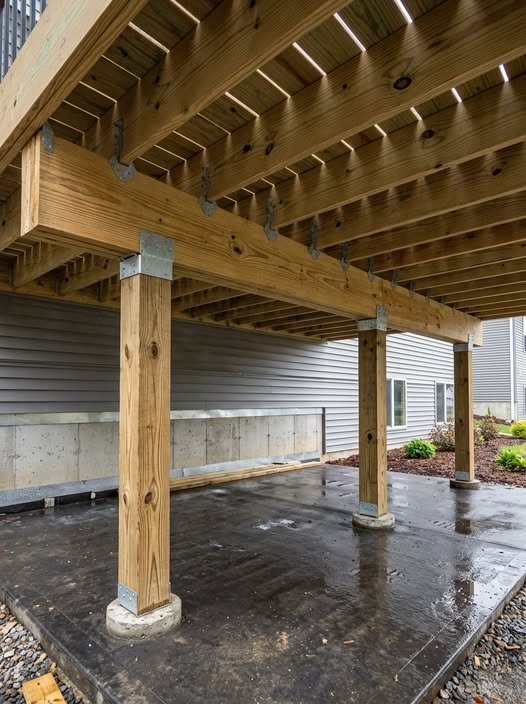
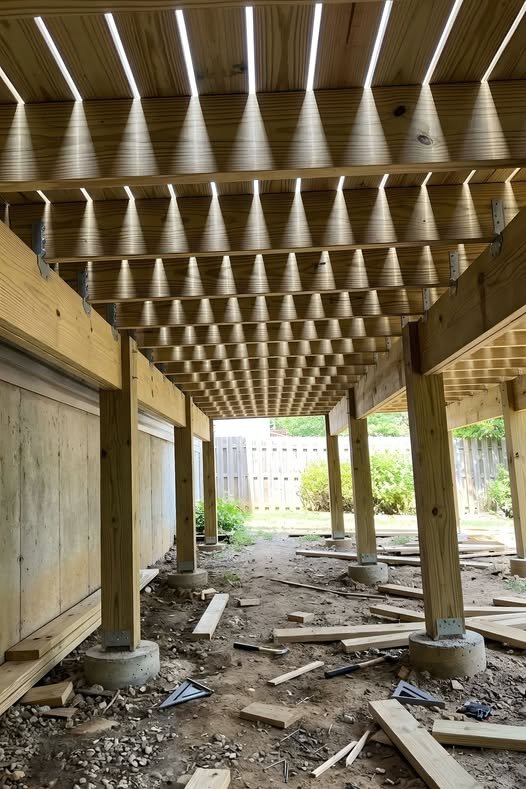
A few real addition and framing projects completed by our team across Worcester County & Central MA. View our full project gallery →
Explore More
Related Services
Cost Guides
Areas We Serve
Free estimate: (508) 925-0396