Code Violation Repair Contractor in Massachusetts
Received a town hall notice? Failed home inspection at sale? Insurance flagged code issues? We fix MA building, electrical, plumbing, fire, and zoning code violations — bringing your property back to compliance and closing the inspection loop.
When Town Hall Sends a Notice — We Respond
Code violation notices in Massachusetts come from many sources: the local building inspector, the electrical inspector, the plumbing inspector, the fire marshal, the board of health, or zoning enforcement. Each has authority to issue notices and impose fines. Each carries a cure window — typically 30 to 90 days to correct the violation before fines escalate, occupancy permits are revoked, or legal action begins.
At JM All-Pro Services, we fix code violations on residential and small commercial properties across Massachusetts. We translate the notice, pull the required permits, perform the repair work to current code, and coordinate the re-inspection with the issuing inspector so the violation closes officially. The work stays on the record as “cured” instead of “outstanding.”
IWho Calls Us About Code Violations
Code violation work usually starts with one of these situations. If any apply to you, we handle it:
Town Hall Notice Received
▸ Direct CitationOfficial violation notice from a town inspector. Has a specific code reference, cure deadline, and possible fine schedule. Must be addressed officially.
Failed Home Sale Inspection
▸ Closing RiskBuyer’s inspector flagged code issues during home sale. Now the buyer wants them fixed or money off price — and you need fast resolution.
Insurance Inspection Failed
▸ Coverage ThreatHomeowners insurance carrier inspected and flagged hazards. Coverage may be cancelled or non-renewed if you don’t address findings within their timeline.
Tenant Complaint Investigation
▸ Landlord IssueLandlord — tenant complained to MA Sanitary Code authorities. Inspector cited the property. State Sanitary Code (105 CMR 410) violations must be cured.
Unpermitted Work Discovered
▸ Historical IssuePrevious owner did unpermitted renovations. Discovered at refinance, sale, or insurance change. Need retroactive permits and inspections.
Smoke / CO Failure
▸ Smoke CertFire department smoke and CO inspection (required at sale) failed. Need code-compliant hardwired interconnected detectors to pass and close on the property.
IICommon MA Code Violations We Repair
Building Code Violations
▸ MA Residential Code 9th EditionThe most common citations come from the local building inspector. These cover structural, framing, egress, ceiling height, stair construction, deck construction, and most residential alterations:
Egress Window Failure
Bedroom window doesn’t meet 5.7 sq ft, 24″ height, 20″ width, or 44″ sill max
Ceiling Height Below 7′
Habitable room less than 7’0″ ceiling over required floor area
Stair Code Non-Compliance
Riser/tread inconsistency, missing handrail, headroom under 6’8″
Improper Deck Construction
Ledger not flashed, joists not hung, footings under frost depth
Unpermitted Alteration
Walls removed, rooms added, or structural changes without permits
Bedroom Without Egress
Basement or attic bedroom without code-compliant exit route
Electrical Code Violations
▸ MA Electrical Code (527 CMR 12)Citations from the electrical inspector based on the MA-amended NEC. Common issues found in older homes and DIY work:
Missing GFCI Protection
Required in bathrooms, kitchens, garage, outdoor, basement, laundry
Knob & Tube Wiring
Pre-1950s wiring without grounding. Often insurance-flagged
Improper Panel Wiring
Double-tapped breakers, mixed wire sizes, missing labels
Aluminum Branch Wiring
1965-1975 aluminum wiring. Fire hazard, requires remediation
Ungrounded Outlets
Two-prong outlets in modern usage areas
Improperly Buried Junction Box
Splices buried in walls without accessible junction box
Plumbing Code Violations
▸ MA Plumbing Code (248 CMR)Citations from the plumbing inspector. The MA plumbing code is one of the strictest in the country:
Improper Drain Venting
Drains without proper vent stack. Causes sewer gas, siphoning
Missing Backflow Preventer
Cross-connection risk. Required on hose bibs, sprinklers
Lead Solder Joints
Pre-1986 lead solder on supply lines. Federal violation
Improper Trap Configuration
Missing P-trap, S-trap (banned in MA), or wrong size
Water Heater Issues
Missing TPR valve discharge, improper venting, no expansion tank
Unlicensed Plumbing Work
MA requires licensed plumber for most work — DIY often cited
Fire & Life Safety Violations
▸ MA Fire Code (527 CMR)Citations from the fire department or fire marshal. Smoke certificate failures at home sale are the most common entry point:
Missing Hardwired Smoke Alarms
Required in every bedroom, hallway, and per code on each level
Detectors Not Interconnected
Modern code requires interconnection — all alarms sound when one trips
Missing CO Detectors
Required in MA on every level and within 10′ of every bedroom
Improper Fire-Rated Walls
Missing Type X drywall between garage and house
Blocked Egress
Bedroom windows blocked, basement exits obstructed
Improperly Stored Flammables
Common in unfinished basements; storage of fuel or chemicals
Zoning & Use Violations
▸ Local Zoning BylawsCitations from the zoning enforcement officer. Each MA town has its own zoning bylaws — these are usage and dimensional issues:
Setback Violations
Structure built too close to property line. Common with sheds and additions
Unpermitted ADU
Accessory dwelling unit without proper zoning approval. New MA law helps
Lot Coverage Exceeded
Total building footprint exceeds allowed % of lot area
Use Variance Issues
Property used for purpose not allowed in zone (commercial in residential)
Height Restrictions
Structure or addition taller than zone allows
Parking Requirements
Multi-family without required off-street parking spaces
Health & Sanitary Code Violations
▸ 105 CMR 410 (State Sanitary)Citations from the local board of health. Especially common for landlords — tenant complaints trigger sanitary code inspections:
Inadequate Heating
MA requires 68°F minimum heat ability in habitable rooms
Lead Paint Hazards
Peeling, chipping paint in pre-1978 housing where children present
Mold & Moisture Issues
Visible mold growth or ongoing water infiltration
Inadequate Ventilation
Bathrooms without proper exhaust, blocked vents
Pest Infestation
Rodents, cockroaches, bed bugs documented at property
Structural Defects
Broken stairs, holes in walls, broken windows, unsafe conditions
Typical Cure Timeline — Don’t Wait
Most MA towns follow a similar enforcement progression. Each step you skip increases penalties and reduces your options:
Initial Notice DAY 0
Written notice received. Specifies code violation, cure window (typically 30 days), and contact info.
Cure Window Open DAY 1-30
Best window to act. Permit, repair, inspect, close — all without fines. Call us immediately.
First Fines Issued DAY 31-60
If not cured, daily fines begin. Usually $50-$300/day. Extensions sometimes granted with active repair underway.
Escalated Action DAY 60-90
Continued non-compliance: occupancy permit suspension, court hearing scheduled, recorded against property title.
Legal Proceedings DAY 90+
Court enforcement, condemnation possible, attorney fees added. Property may become unsellable until cured.
⚠ What Happens If You Don’t Cure
Ignoring code violations doesn’t make them go away. They follow the property and compound in cost over time. Real consequences:
Daily Penalty Accumulation
$50-$300/day depending on town. A 6-month uncured violation can hit $20K+ in fines alone.
Recorded Against Property
Violation recorded at Registry of Deeds. Shows in every title search. Hurts resale and refinance.
Coverage Cancellation
Carriers cancel or non-renew. Replacement coverage may not be available, or only at much higher rates.
Unsellable Property
Title cloud blocks closing. Buyer’s lender refuses loan. Sale falls through, sometimes after months of work.
Rent Withholding
For landlords: tenant can legally withhold rent in escrow until sanitary code issues cured. State law right.
Civil & Criminal Action
Town can pursue both. Misdemeanor charges in extreme cases. Attorney fees added to your liability.
IIIHow We Handle Code Violation Repairs
The Compliance Workflow
▸ From Notice to Cured StatusNotice Review & Translation
Send us the notice. We translate the code references into plain English: what was cited, what code section, what the inspector wants to see, and what the actual repair scope looks like.
On-Site Inspection
We visit the property. Verify the cited issue exists, identify any additional violations the inspector missed, and assess the repair scope. Honest scope, not inflated.
Written Cure Plan
Documented scope: what we’ll do, what permits we’ll pull, what licensed trades are involved (electrician, plumber, etc.), timeline to inspection-ready, and total cost.
Permits Pulled
We file building, electrical, plumbing, or gas permits as required. Notify the inspector that repair work is starting. Sometimes this alone halts daily fine accumulation.
Code-Compliant Repair
Work performed to current MA code — not minimum specs that might fail re-inspection. Smarter to overbuild slightly than risk a second cure cycle.
Re-Inspection Coordination
We schedule the re-inspection with the same inspector who issued the notice. Present for the inspection, walk them through the work, answer code questions in real time.
Documentation Closeout
Signed-off permits, inspection pass certificates, photo documentation, and a complete file you can show insurance, buyers, or lenders. The violation closes officially.
IVMassachusetts Inspection Authorities
Different MA officials enforce different codes. Knowing which one cited you helps determine the path forward:
Building Inspector CSL
Local town official. Enforces 9th Edition MA Residential Code. Issues most structural and construction violations.
Electrical Inspector NEC
Town or state official. Enforces MA-amended NEC (527 CMR 12). Required for all electrical permits.
Plumbing/Gas Inspector 248 CMR
Enforces MA Plumbing & Gas Code. Must sign off on plumbing and gas line installations.
Fire Inspector 527 CMR
Local fire department. Smoke and CO certificates for home sales. Fire code enforcement.
Board of Health 105 CMR 410
Enforces state Sanitary Code. Tenant habitability complaints, lead paint, mold, pest issues.
Zoning Officer BYLAW
Town zoning enforcement. Setbacks, uses, dimensional violations, special permits required.
VProperty Types We Serve
We handle code violations on residential and small commercial properties across MA:
Single-Family Home
Owner-occupied residential
2-3 Family
Triple-decker, duplex
Multi-Family Rental
4+ unit rental property
Condo Unit
In-unit violations (not common areas)
Investment Property
House flip with discovered issues
Small Commercial
Mixed-use, retail with apartments
VIWhy Choose JM All-Pro
Permit-First Always
Every cure starts with proper permitting. Active repair under permits often halts fines while work progresses.
Inspector Relationships
We work with town inspectors regularly. They know our work meets code, which speeds re-inspections.
MA Licensed & Insured
CSL #121166, HIC #214808, EPA RRP certified. Coordinate licensed electricians and plumbers when required.
Code-Current Repairs
Work performed to current code — not minimum specs that risk failed re-inspection. Smart to slightly overbuild.
Fast Turnaround
We prioritize active violation work. Most repairs cured within the original 30-day window when called quickly.
Complete Documentation
Permits, inspections, photos, and certificates all packaged for your records. Show to insurance, buyers, lenders.
Plain-English Translation
Code citations in legal language. We translate to “here’s what they want, here’s what we’ll do.”
Multi-Trade Coordination
Many violations need building + electrical + plumbing work. We project-manage all trades under one written scope.
VIIService Areas
Where We Handle Code Violations
Based in Clinton, MA. Code violation cure work across Worcester County, Middlesex County, and MetroWest:
VIIIRelated Services
IXCode Violation FAQs
What should I do as soon as I get a violation notice?
Read the cure deadline first — that determines urgency. Take a photo of the notice and send to us. Don’t ignore it; fines accumulate. Don’t try to negotiate the violation existence with the inspector; their job is enforcement. Focus instead on resolution: get the repair scoped, permitted, and completed before the deadline. Call us within a week of receiving notice for best outcome.
Can you fix violations from any MA town?
We work primarily across Worcester County, Middlesex County, and MetroWest. We’ve worked with many town inspectors and know each town’s specific quirks (different fee schedules, different inspection scheduling, different enforcement priorities). If you’re outside our regular area, call — we can often still help or refer to a trusted contractor.
How much does cure work cost?
Depends entirely on the violation. A missing GFCI outlet is a fast inexpensive fix. A failed egress window may require structural framing work. Unpermitted finished basement is a multi-trade project. We give written estimates after on-site review. The bigger cost question is usually: cost of cure work versus accumulated fines + reduced sale price + insurance issues. Cure is almost always cheaper than continued non-compliance.
Can I get an extension on the cure deadline?
Yes, sometimes — especially if you have an active repair underway. Once permits are pulled and work scheduled, many inspectors grant extensions because the violation is in progress of being cured. We’ve helped clients get 30-60 day extensions when justified. The worst situation is missing the deadline with no progress shown.
What if I disagree with the violation?
Right to appeal exists in most cases — typically to the local Zoning Board of Appeals or Building Code Appeals Board. Specific timeframe (often 14-30 days from notice). If appealing, we recommend consulting a real estate attorney first. Sometimes appeals win, but they’re often slower and more expensive than just curing the violation.
I’m selling — buyer’s inspector found code issues. What now?
This is one of our most common scenarios. The buyer’s inspector listed items in their report; the buyer is now requesting repairs or credit. We provide a written cure scope and estimate quickly so you can negotiate from a position of knowledge. Many “code issues” on inspection reports are actually minor or non-violations — we help separate real cure items from optional fixes.
What about unpermitted work the previous owner did?
You inherited the issue. Options: leave it (risk of citation at any time), get retroactive permits and inspections (most defensible long-term), or remove the unpermitted work back to code-compliant state. We help evaluate which makes sense and execute. Retroactive permitting is harder and more expensive than original permitting but better than ongoing exposure.
Do you handle landlord sanitary code violations?
Yes. State Sanitary Code (105 CMR 410) violations for landlords are common — tenant complaint triggered inspections. We move quickly to cure, document the work, and coordinate re-inspection. Time matters because tenant has rent withholding rights for habitability issues. See also our rental property remodeling page.
Will fixing one violation trigger more inspections?
Rarely. Inspectors don’t search for additional violations during a re-inspection unless they’re obvious or directly adjacent to the cited issue. If we find additional issues during our scope review, we’ll tell you and recommend addressing them voluntarily before they become future citations.
How do I get started?
Send a photo of the violation notice to (508) 925-0396 by text, or upload through our quote form. We respond within 24 hours with initial assessment of the citation, estimated cure scope, and timeline. Free in-person inspection follows, then written estimate. The faster you start, the more options you have.
Got a Violation Notice? Don’t Wait.
Time-sensitive. Daily fines accumulate. Send us a photo of the notice and we’ll review within 24 hours, then schedule on-site inspection to scope the cure. Most violations cured within the original 30-day window when we start quickly.
Recent Projects
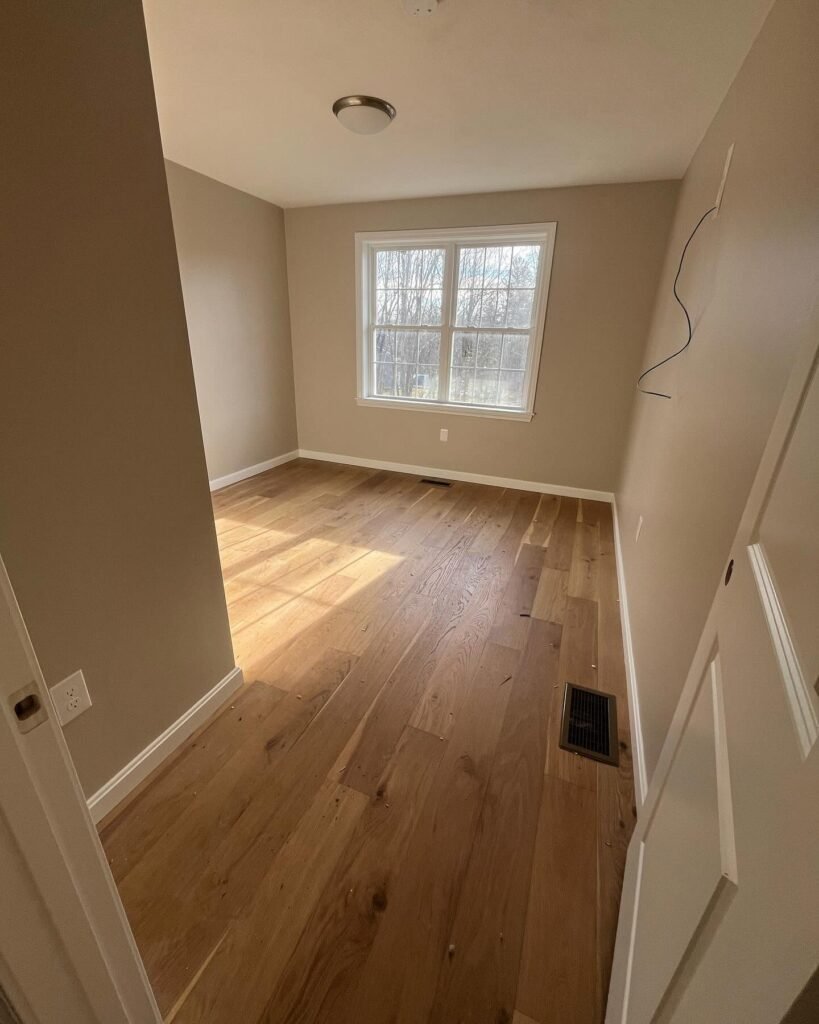
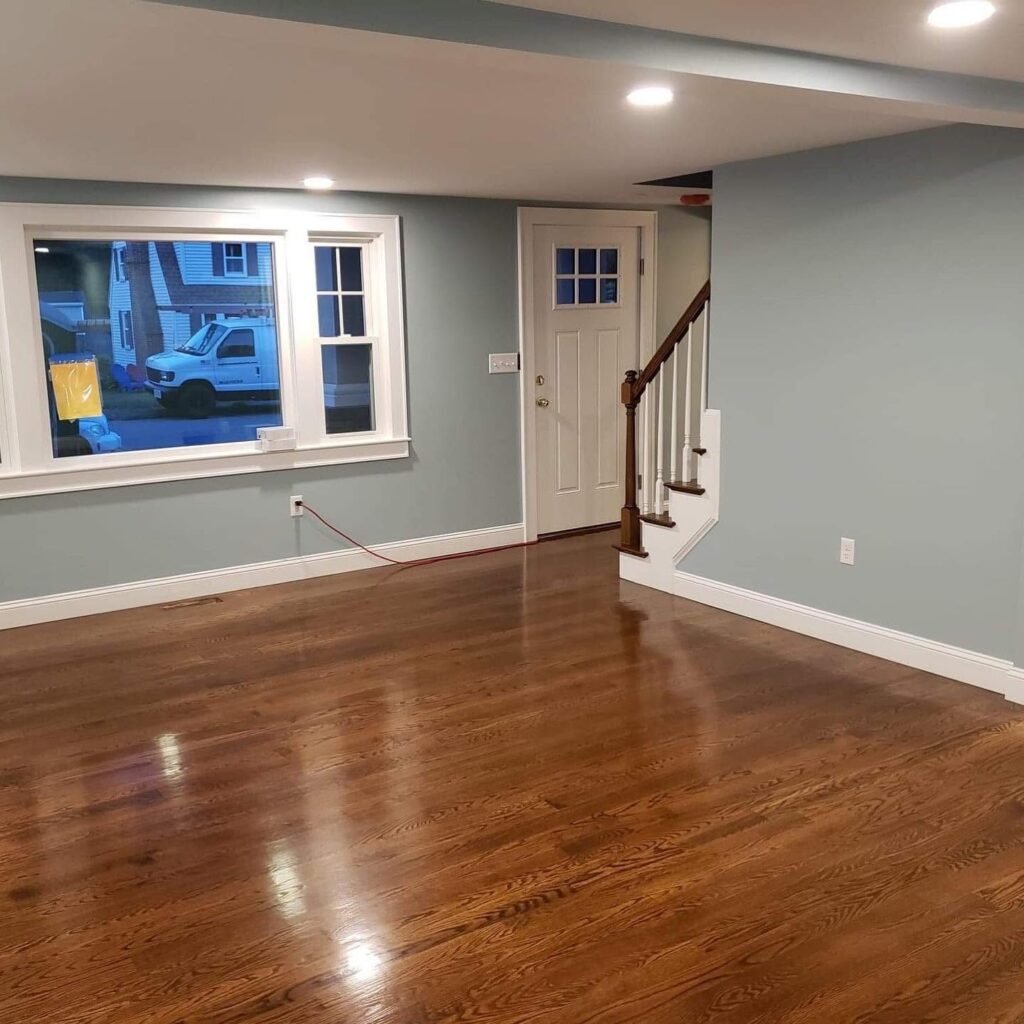
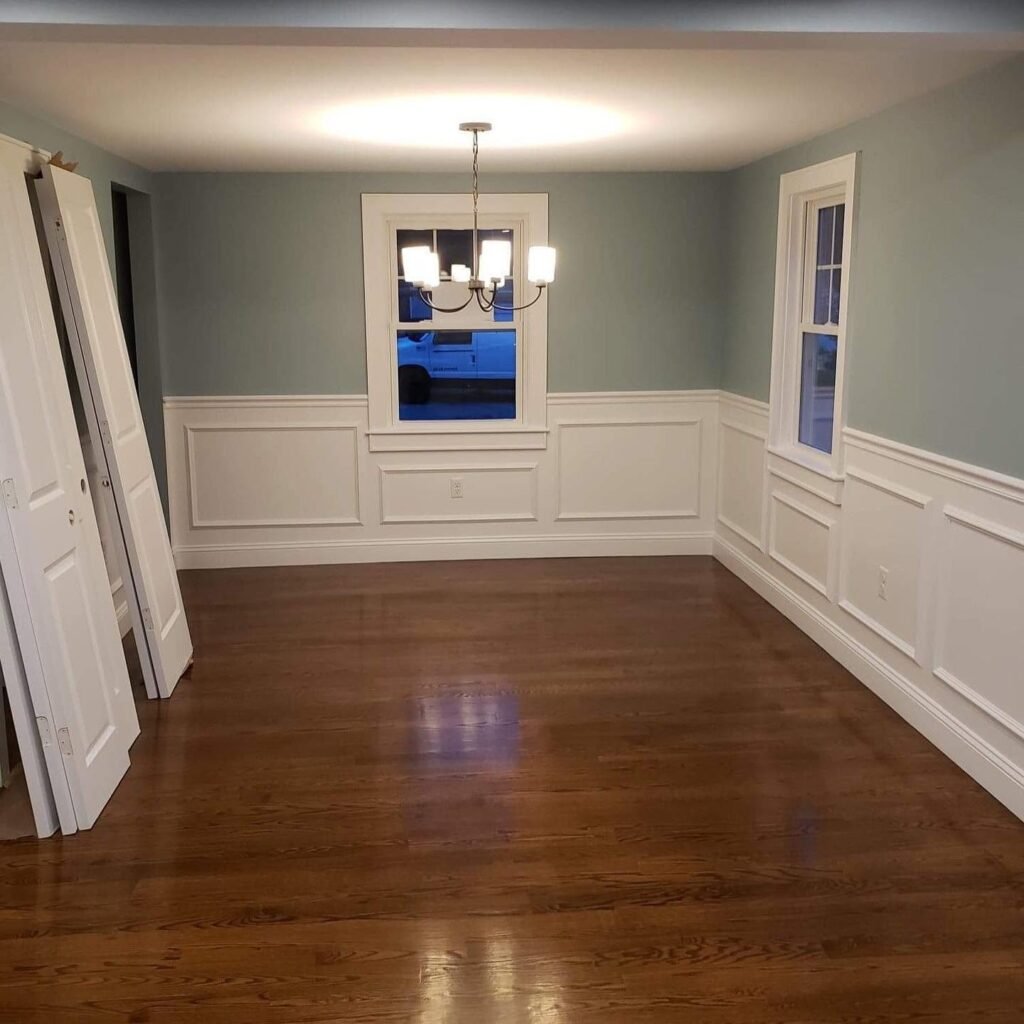
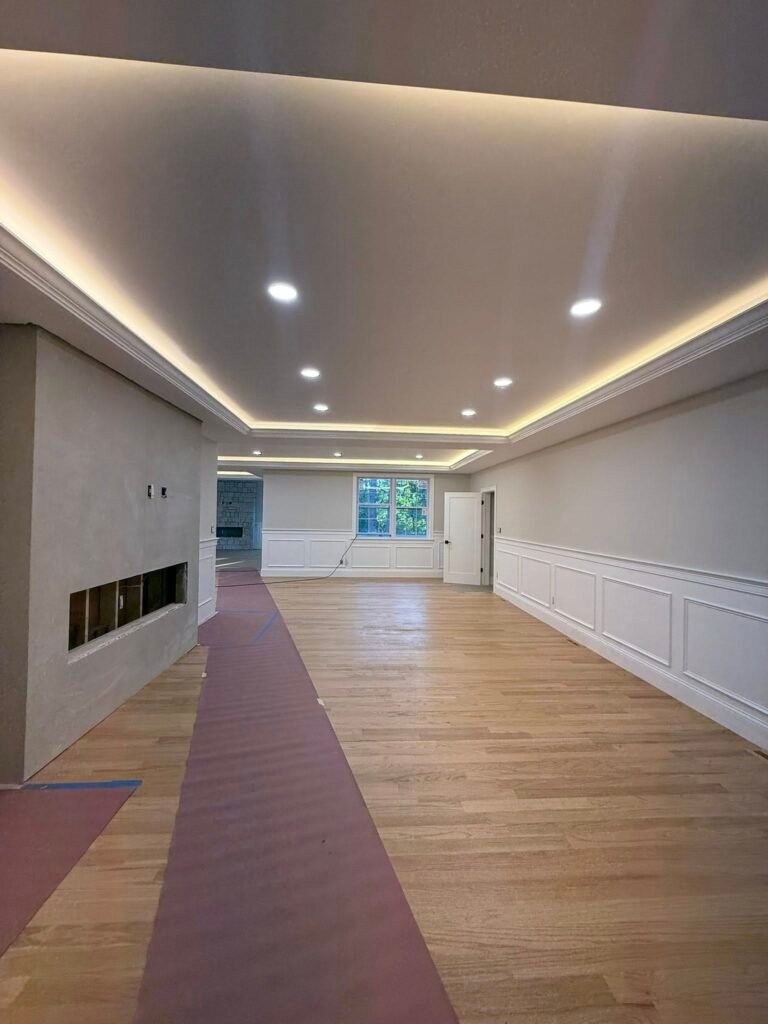
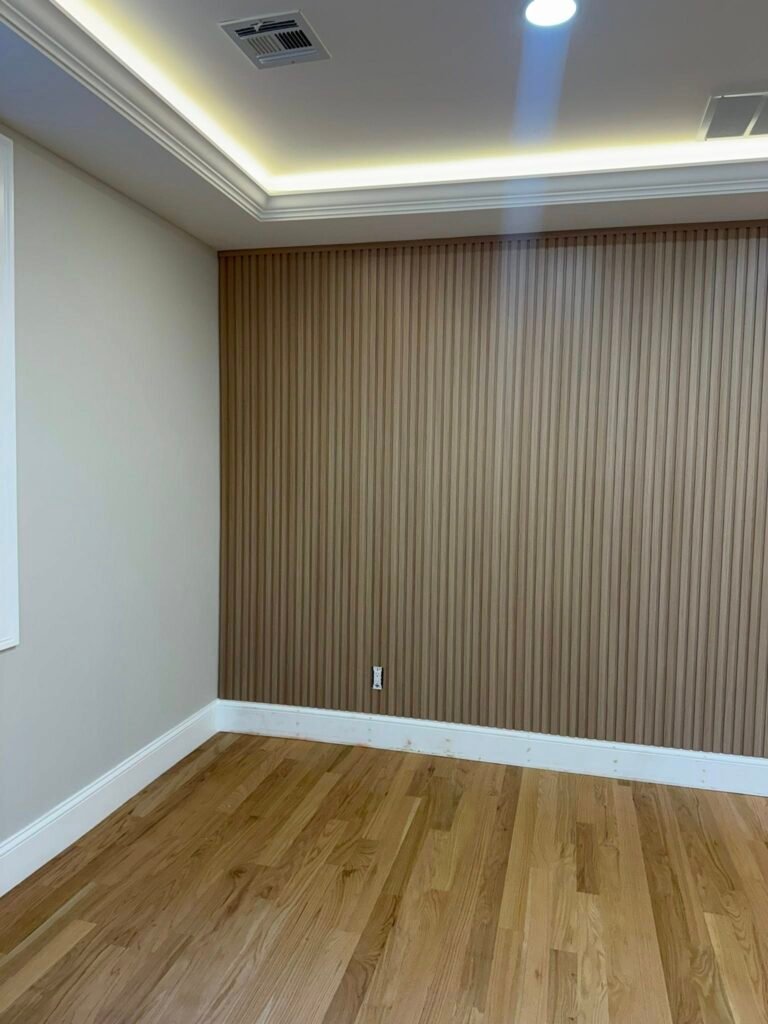
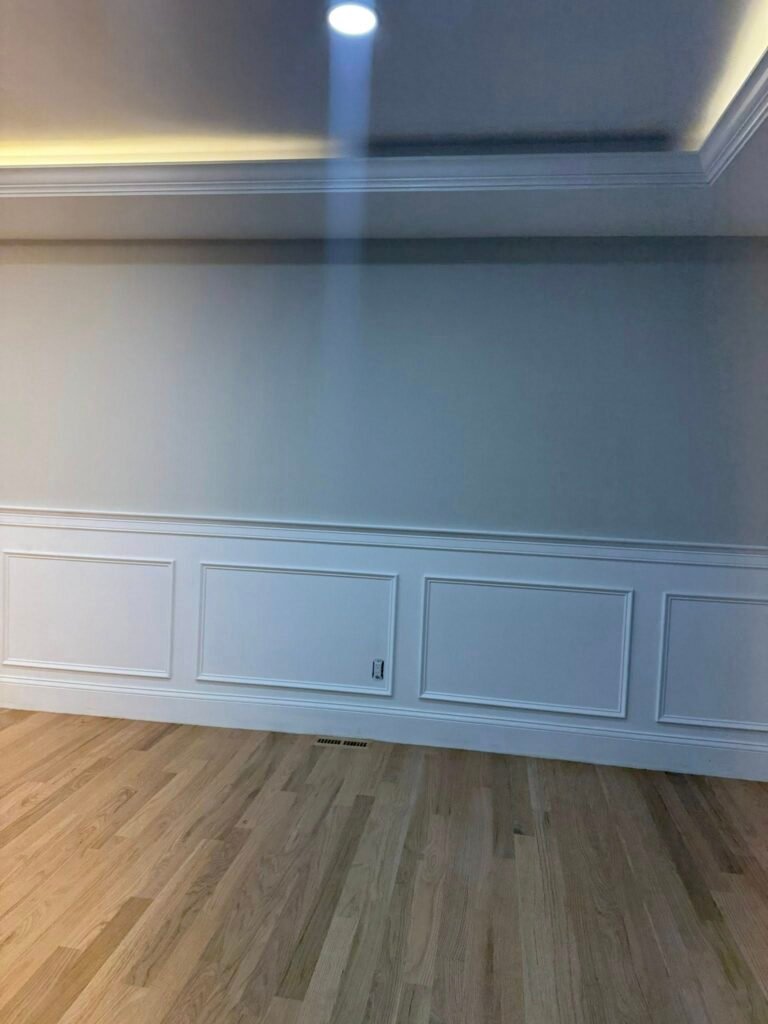
A few real interior remodeling projects completed by our team across Worcester County & Central MA. View our full project gallery →
Explore More
Related Services
Cost Guides
Areas We Serve
Free estimate: (508) 925-0396