Mudroom Remodeling in Massachusetts
Custom benches, cubbies, hooks, lockers, and tile floors built for New England winters. The transition space between outside and inside, designed to handle MA snow, mud, and four seasons of dirt without falling apart.
The One Room Every Massachusetts Home Needs
Snow, slush, mud, fall leaves, spring rain — MA homes face four seasons of outdoor mess being tracked inside. A proper mudroom is the only thing standing between your kitchen, your hallway hardwood, and the boots/bags/coats your family drops every day. The investment pays for itself every winter in saved cleanup, protected floors, and one less daily argument about wet boots.
A mudroom is not a luxury — in New England, it’s infrastructure. Done right, a mudroom is the transition zone where outdoor mess gets contained before it spreads into the rest of your home. Done wrong (or skipped entirely), it means dirt and snowmelt across your hardwood, coats piled on dining chairs, backpacks dumped in the entryway, and a constant battle to keep the main living spaces clean.
At JM All-Pro Services, we design and build mudrooms as their own specialty — not as an afterthought to a kitchen or laundry project. Custom built-ins, durable flooring, proper coat storage, boot bench seating, family member cubbies, and the small details (hidden charging strips, key drops, pet station) that make a mudroom genuinely useful for the way your household actually lives.
I.Where Mudrooms Fit in MA Homes
Most Massachusetts mudrooms are built into one of these spots. Where yours goes depends on which entry your family actually uses, the available square footage, and whether you’re combining it with another room:
Off the Back Entry
The most common location. Connects garage or backyard to the kitchen. Where the family actually enters daily.
Most popularBetween Garage & Kitchen
Built into the existing breezeway or transition space between attached garage and main living area.
Attached garage homesConverted Side Entry
Old side door entry or breezeway converted into a proper mudroom. Common in older Worcester County homes.
Older MA homesHallway Drop Zone
Short hallway near the main entry converted to a mudroom-style space with bench, hooks, and storage.
Smaller homesFront Foyer Built-Ins
Adding bench seating, coat hooks, and storage to an existing front foyer for guest-facing mudroom use.
Welcoming lookAddition / New Build
Custom mudroom added as a small home addition, often attached to the kitchen or garage entry side.
Higher investmentII.The Essential Mudroom Components
Some elements are non-negotiable in a proper mudroom design. These are the parts we build into every project — the difference between “a hallway with hooks” and a real functioning mudroom:
Built-In Bench Seating
A bench is the anchor of any mudroom. Sit to put on or take off boots. Bench height should be 17″-19″ for comfortable seating. Always built with storage underneath — drawers for shoes or open cubbies.
Coat Hooks at Two Heights
Adult-height hooks (54″-66″ from floor) plus a lower row for kids (36″-44″). Heavy-duty hooks rated for winter coats and backpack weight. Minimum 12″ spacing between hooks for bulky coats.
Personal Cubbies or Lockers
One designated cubby per family member. Holds their backpack, daily items, soccer cleats, hat. Solves the “whose stuff is this?” problem. Open cubbies (visibility) or closed locker doors (cleaner look).
Upper Storage Cabinets
Wall-mounted cabinets above coat zone. Holds seasonal gear (winter hats out of summer’s way), umbrellas, lesser-used items. Best to enclose with doors so room feels less cluttered.
Drop Zone Counter or Shelf
Small counter or wall-mounted shelf for keys, phones, mail, sunglasses, bags. The “I just got home” surface. Avoids piles on kitchen counters. Often paired with hidden outlets for charging.
Boot Tray or Drip Catch
Recessed or surface-mount boot tray underneath bench seating. Captures snow melt, rain, and mud from boots without spreading water onto floor or walls. Removable for easy cleaning.
Durable Flooring
Porcelain tile or LVP (luxury vinyl plank). Must handle salt, sand, water, sand-tracked mud, and pet messes. Heated floor optional for melting boot snow faster and adding morning comfort.
Good Lighting
Layered: ceiling fixture for overall light, sconces above bench, or recessed cans. Bright enough to see what color sock is in the cubby on a dark January morning at 6 AM.
III.Storage Strategies by Family Type
Different households need different mudroom layouts. Here’s how we customize designs based on who actually uses the space:
Family with Kids
Backpacks, sports equipment, lunchboxes, art projects coming home — kids need their own dedicated space:
- One full locker/cubby per child
- Lower hook row at kid height (36″-44″)
- Open cubbies (so they actually use it)
- Sport equipment cabinet (separate)
- Magnetic chalkboard or whiteboard
Pet Household
Dog walks, muddy paws, leashes, treats, and waste bags. The mudroom is the pet base camp:
- Leash hook station near door
- Food bowl alcove (tucked under bench)
- Pet wash station (lowered tile shower)
- Towel rod for muddy-paw cleanup
- Waste bag storage near exit
Outdoor Enthusiasts
Hiking, skiing, biking, camping families need real gear storage that handles wet/cold equipment:
- Tall lockers for ski/board gear
- Pegboard wall for hooks & hangers
- Ventilated drying rack overhead
- Heavy-duty hooks (helmet, packs)
- Drying floor near bench
Empty Nesters / Couples
Less gear, more aesthetic. Mudroom doubles as elegant transition space with focused storage:
- Cleaner, hidden storage (closed doors)
- Built-in seat with cushion
- Smaller drop zone counter
- Decorative coat tree alternative
- Quality finishes (stained wood, stone)
❄️ MA Winter-Proofing Your Mudroom
A mudroom built for Massachusetts winters has to handle salt, ice melt, deep snow, and freezing temperatures right next to a finished interior. These are the specific design details we include in every MA mudroom build:
Insulated Exterior Walls
R-20+ wall insulation. Cold infiltration kills comfort and drives up heating bills.
Storm Door + Weather Stripping
Properly sealed exterior door with full weather seal. Stops cold drafts year-round.
Heated Floor (Optional)
Electric radiant heat under tile. Melts boot snow faster, eliminates cold-floor mornings.
Drainage-Friendly Floor Tile
Porcelain with proper slope to a floor drain (if possible) or boot tray channels for snowmelt.
Salt-Resistant Trim & Base
Tile or PVC baseboard at bottom 6″. Salt destroys wood baseboards over a winter or two.
Moisture-Tolerant Paint
Semi-gloss or satin paint above 4 feet. Easier to wipe down and resists humidity better.
Ventilation
Wet coats and boots create humidity. Bath fan or operable window prevents trapped moisture.
USB + Outlet Strip
Charge phones at the back door. Outlets for vacuum, heated jacket, or boot dryer.
IV.Mudroom Design Styles
Mudrooms can match the aesthetic of any home — from rustic farmhouse to clean modern. The style affects materials, finish colors, and built-in details:
Modern Farmhouse
Shiplap walls, stained wood bench, painted lockers, black iron hooks. Most popular for MA homes — fits both old and new construction.
Rustic Cabin
Stone tile floor, distressed wood, leather-padded bench, antler or branch hooks. Fits log homes, ranches, and ski-house aesthetic.
Traditional Classic
Painted white millwork, raised-panel locker doors, brass hooks, marble or porcelain floor. Timeless look for traditional homes.
Modern Minimalist
Flat-panel doors, hidden hardware, monochromatic palette, recessed lighting. Clean look — storage disappears into the architecture.
Coastal Cottage
Beadboard, soft blues and greens, woven baskets, weathered finishes. Fits cape cod-style and lake/coastal homes.
Eclectic / Personalized
Mix wood tones, painted accent wall, vintage hooks, family photos in cubbies. Personal expression with functional storage.
V.Mudroom Size Guide — Minimums & Comfortable
Mudrooms can fit into surprisingly small spaces. Here’s what you can actually accomplish at each size range:
Drop Zone Wall Only
Just a wall with hooks, a small bench, and a shelf above. Fits in any hallway or alcove. Better than nothing.
Single Bench + Wall of Cubbies
5×6 alcove space. Comfortable for 2 people max. Bench, hooks, 2-3 cubbies. Good starter mudroom for couples.
Family of 4-5 Mudroom
6×8 to 7×8 dedicated room. Bench, 4-5 cubbies, upper cabinets, drop zone counter. Most common size for families.
Mudroom + Laundry Combo
8×10 or 8×12. Adds washer/dryer, utility sink, more storage. The dream mudroom for active MA households.
Full Custom Mudroom Suite
10×12+ space with bench, full locker wall, laundry, pet wash, drop zone, half bath, second fridge. The works.
VI.Mudroom Flooring Choices
The floor takes the worst beating in the entire house — wet boots, salt, sand, mud, melting snow, pet accidents. Floor selection matters more here than anywhere else:
VII.Our Mudroom Remodeling Process
Most mudroom projects take 2-4 weeks from start to finish. Here’s how the process breaks down:
Consultation
Walk the space, discuss family needs and storage requirements.
Design Plan
Layout drawn to scale with built-ins, hooks, cubbies, dimensions.
Written Estimate
Clear scope, materials, labor, timeline before any work begins.
Demo & Prep
Existing finishes removed, framing checked, surfaces prepped.
Floor + Walls
Floor installation (tile/LVP), drywall, paint or shiplap, trim.
Built-Ins
Bench, lockers, cubbies, upper cabinets installed and finished.
Hardware
Hooks, hardware, outlets, lighting, drop zone fixtures.
Walkthrough
Final inspection, punch list, demonstration of features, handoff.
VIII.Mudroom Investment Tiers
Mudroom budgets vary widely based on size, materials, and complexity. We help you scope the project to fit your household needs and budget:
Drop Zone Refresh
Existing space, minor updates- New bench seating
- Coat hook installation
- Paint refresh
- Standard hardware
- 1-2 week timeline
Custom Built-Ins
Full mudroom design, mid-range materials- Custom bench with storage
- Personal cubbies/lockers
- Upper cabinetry
- New tile or LVP floor
- Lighting + outlets
- 3-4 week timeline
Full Custom Suite
Premium materials, complex layouts- Heated floor
- Pet wash station
- Custom wood lockers
- Drop zone with charging
- Possible mudroom-laundry combo
- 4-6 week timeline
Mudroom Addition
New construction off existing entry- Full structural addition
- New foundation/slab
- Framing + roof + siding
- Full electrical + HVAC
- All custom finishes
- 6-10 week timeline
⚠ Mudroom Mistakes We Help You Avoid
After building many mudrooms, these are the design and build mistakes we see most often when homeowners DIY or use a general handyman:
✕ Bench Too Tall or Short
Below 17″ you can’t get up easily. Above 19″ your feet dangle while putting on boots. The sweet spot is 17-19″ seat height.
✕ Hooks Mounted Only Into Drywall
Drywall anchors fail under loaded winter coats. Hooks must be screwed into stud or proper backing block in the wall.
✕ No Lower Hook Row for Kids
Hooks only at adult height = kids can’t reach = backpacks on the floor. Always include a lower row when kids live there.
✕ Wood Baseboards Near the Door
Salt + snowmelt destroys wood baseboards in 1-2 winters. Use tile or PVC baseboard at bottom 6 inches.
✕ Carpet in the Mudroom
Carpets trap salt, water, and pet messes. Mold and odor develop within a year. Always use tile or LVP instead.
✕ No Outlets in the Space
You’ll regret not having outlets here when you want to charge phones, plug in a vacuum, or run a boot dryer.
✕ Too Much “Pretty” Storage
Beautiful baskets that don’t fit a real coat. Hooks too far apart. Mudrooms need to be functional first — not Pinterest-pretty.
✕ No Boot Tray or Drainage
Wet boots dripping onto unprotected floor = ruined finish. A simple boot tray under the bench prevents 90% of damage.
IX.Why Choose JM All-Pro for Your Mudroom
MA Climate Experience
Designed for New England winters. Salt-resistant trim, proper drainage, durable finishes that last.
Custom Built-Ins
We build benches, cubbies, lockers, and storage to fit your exact dimensions — not off-the-shelf furniture.
Family-Specific Design
Kids, pets, sports gear, work commute — every design starts with how your family actually lives.
MA Licensed & Insured
Construction Supervisor License #121166 and HIC #214808. Fully insured for residential remodeling work.
Hardware Installed Right
Hooks anchored into studs or blocking. Cabinets secured to wall framing. Built to handle real-world loads.
Tile & Flooring In-House
We handle tile and LVP installation directly. No subcontracted floor crews. Consistent quality work.
Written Estimates
Full scope, materials, labor, and timeline documented before any work begins. No surprise invoices.
Mudroom-Laundry Combos
Experience combining mudrooms with laundry rooms for the most useful single room in your home.
X.Service Areas in Massachusetts
📍 Where We Build Mudrooms
Based in Clinton, MA. Mudroom remodels and custom built-ins across Worcester County, Middlesex County, and MetroWest:
XI.Related Services
XII.Mudroom Remodeling FAQs
What’s the difference between a mudroom and a laundry room?
A mudroom is a transition space for coats, boots, bags, and outdoor gear — no appliances. A laundry room is for washer/dryer/utility sink. The two are commonly combined in MA homes into a single hardworking room, but they’re not the same. A pure mudroom is simpler and cheaper to build because no plumbing or 240V electrical is required.
What’s the minimum space I need for a mudroom?
You can create a useful drop zone in as little as 12 sq ft (a wall with hooks, bench, and shelf). A proper dedicated mudroom that fits a family of 4-5 typically needs 40-60 sq ft. A full custom mudroom-laundry combo runs 80+ sq ft.
How long does a mudroom remodel take?
Most mudroom projects take 2-4 weeks. Drop zone refreshes (paint, bench, hooks) can finish in 1-2 weeks. Full custom built-in installations with new flooring and lighting take 3-4 weeks. Mudroom additions (new construction) take 6-10 weeks.
Do I need a permit to build a mudroom?
Interior mudroom remodels (built-ins, new finishes, no structural changes) typically don’t require permits. Mudroom additions, structural changes, new electrical circuits, or relocating walls require building and electrical permits. We pull all required permits as part of the project.
What floor should I use in a mudroom?
Porcelain tile or luxury vinyl plank (LVP). Both are waterproof, durable, and handle MA salt and snowmelt. Tile is more durable; LVP is warmer underfoot and cheaper. Both can have radiant electric heat installed underneath. Avoid carpet, hardwood, and laminate.
Can I combine my mudroom with the laundry room?
Yes — this is the most popular configuration for MA homes. The combo room has bench seating, hooks, cubbies, washer/dryer, utility sink, and often a pet station. It requires 80+ sq ft for comfortable use and adds plumbing/electrical to the scope.
How tall should the bench be?
17-19 inches from the floor. Below 17″ you can’t get up easily from a seated position. Above 19″ your feet dangle while putting on boots. The 17-19″ range matches standard chair height for comfortable seating.
Should the coat hooks be at one height or multiple heights?
If kids live in the house, always use two heights: adult hooks at 54″-66″ AFF and kid hooks at 36″-44″ AFF. If only adults, a single row at 60″-64″ works well. Heavy-duty hooks rated for winter coat + backpack weight, spaced minimum 12″ apart.
What’s a typical mudroom remodel cost?
Cost varies by scope. A drop zone refresh (paint, bench, hooks) is the lowest tier. Custom built-ins with new flooring is mid-range. Full custom suites with heated floors and pet wash stations are premium. Mudroom additions (new construction) are the highest tier. We provide written estimates based on your actual project scope.
How do I get started?
Call (508) 925-0396 or submit the quote form with photos of your proposed mudroom space and rough dimensions. We schedule a free in-home consultation, discuss layout and storage needs for your family, and follow up with a written estimate.
→Ready to Build a Real Mudroom?
Schedule a free in-home estimate. We’ll measure your space, discuss layout and storage requirements based on your household, and follow up with a written estimate covering built-ins, flooring, lighting, and finish work.
Recent Projects
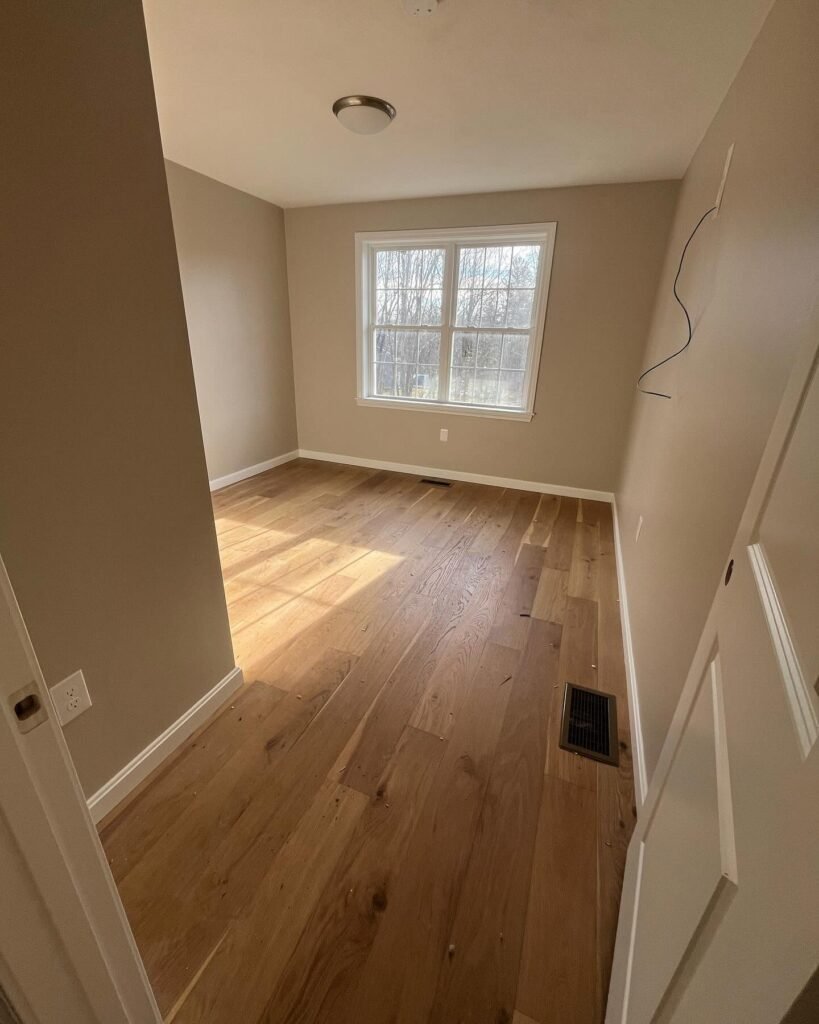
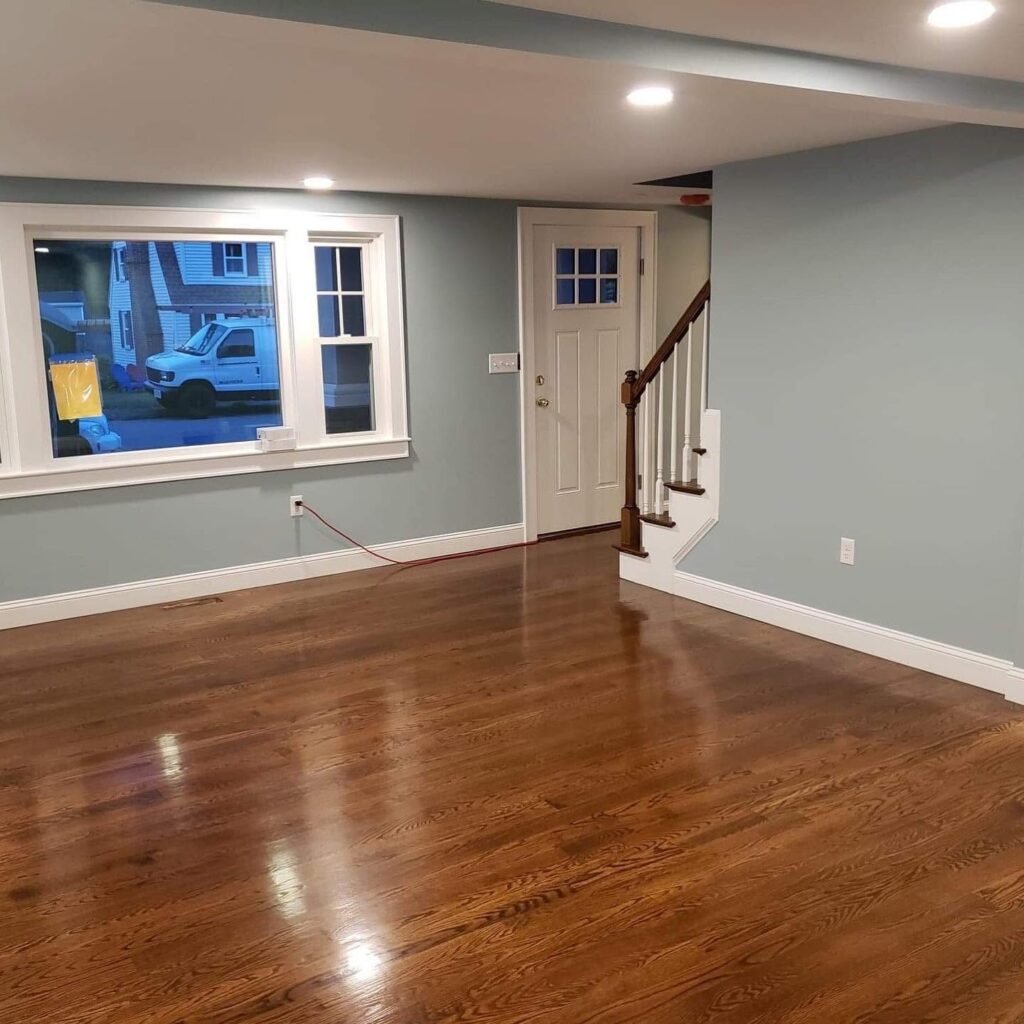
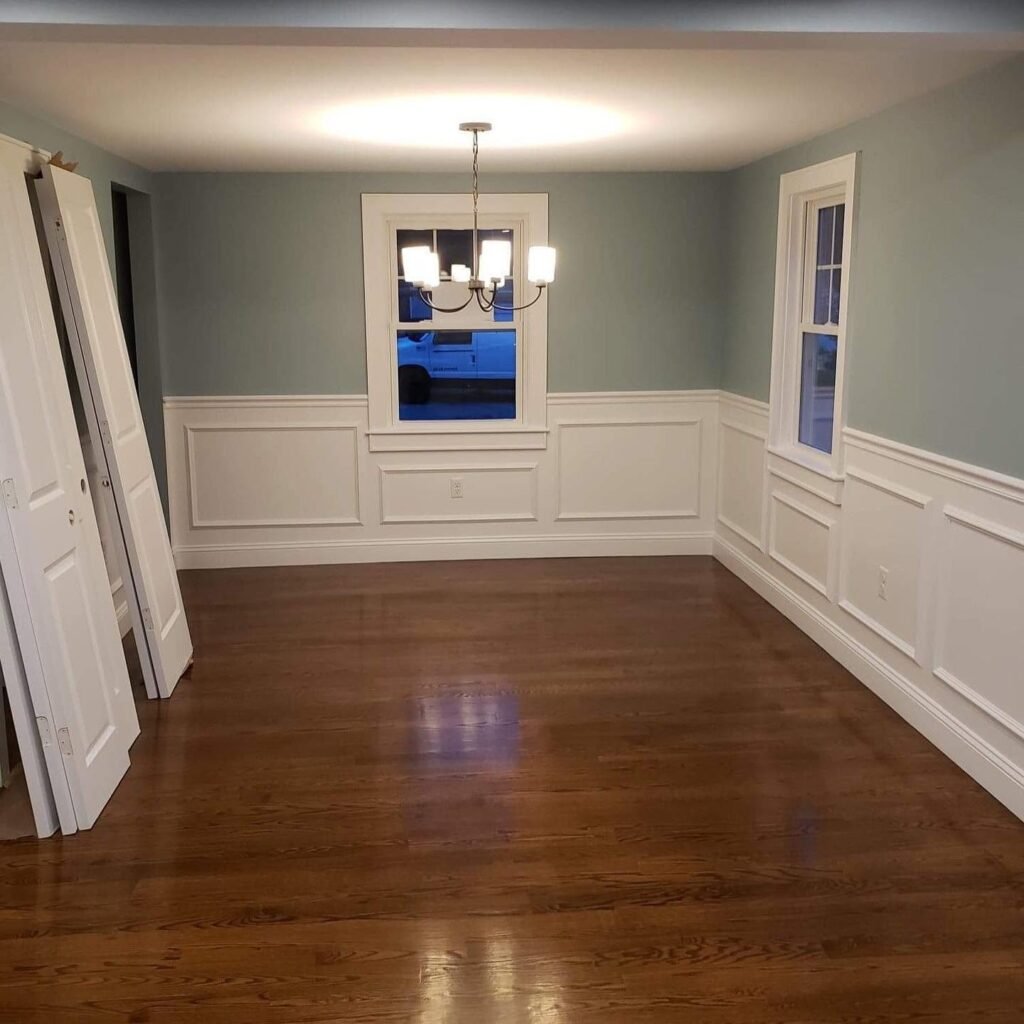
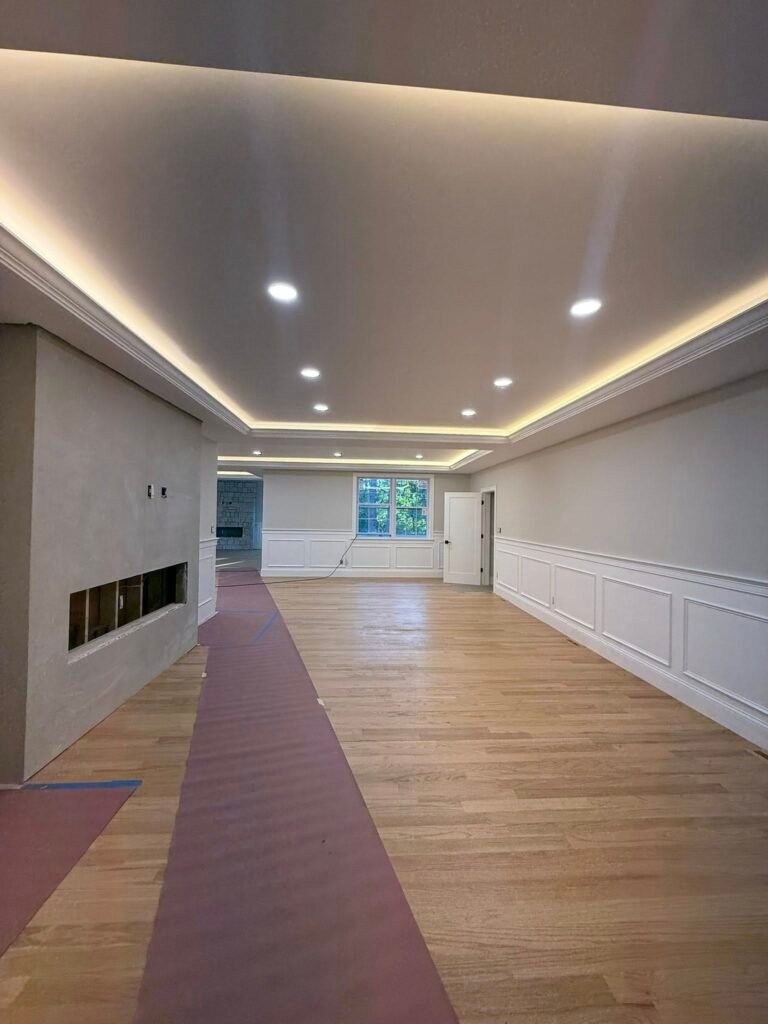
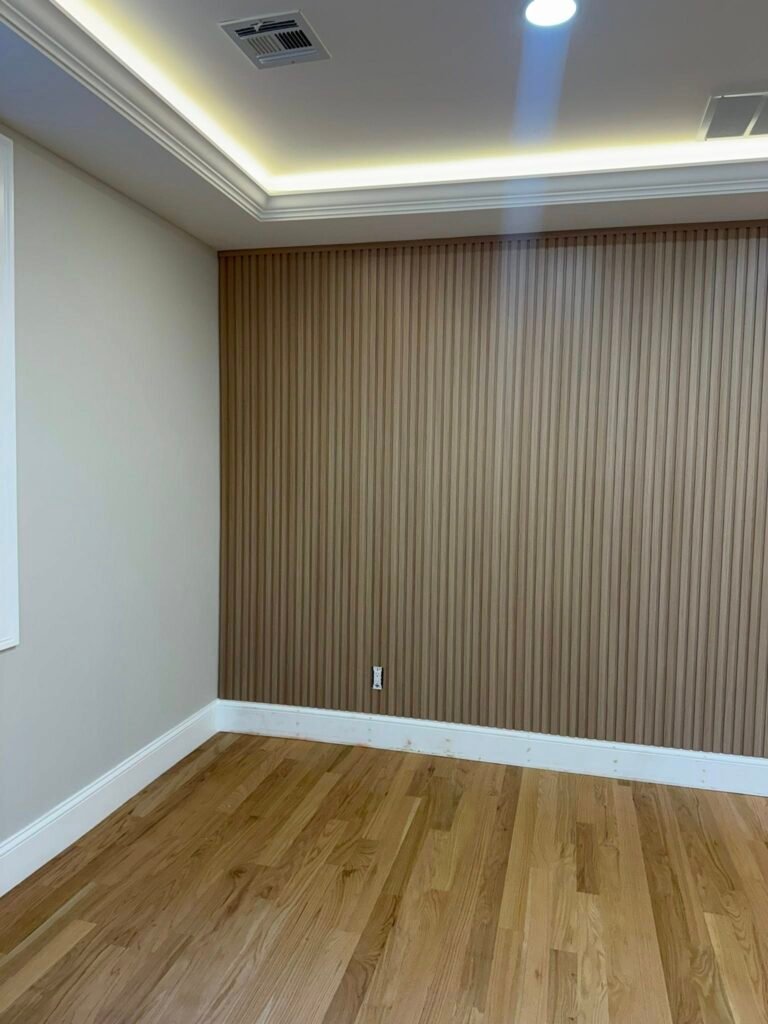
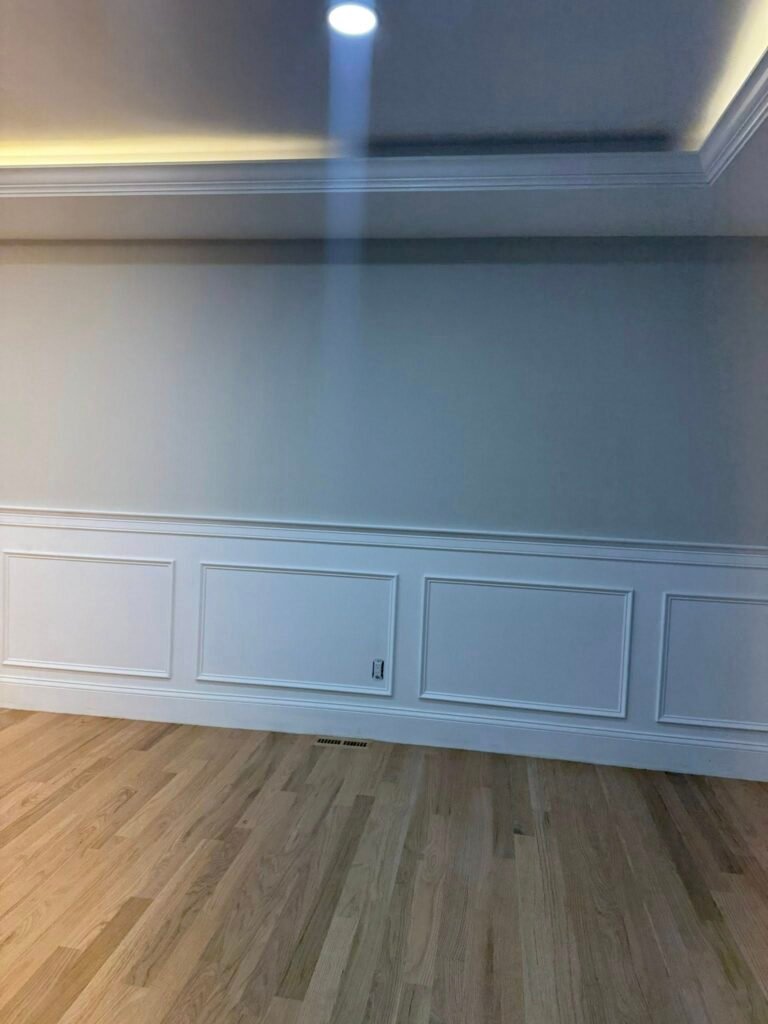
A few real interior remodeling projects completed by our team across Worcester County & Central MA. View our full project gallery →
Explore More
Related Services
Cost Guides
Areas We Serve
Free estimate: (508) 925-0396