Tub to Shower Conversion in Massachusetts
Replace your old, hard-to-step-into bathtub with a modern walk-in shower. Easier to clean, easier to use, and often the single best upgrade you can make to a bathroom you actually use every day.
Old Tub-Shower Combo
Hard to step over • Cramped feel • Tile and grout that’s hard to clean • Outdated look
Walk-In Shower
Low or zero threshold • Open & spacious • Modern tile or solid surround • Glass enclosure
A tub-to-shower conversion is one of the most requested bathroom updates in Massachusetts homes — and for good reason. Most older homes were built with a tub-shower combo that the family never actually uses as a tub. The bathtub becomes a place where the shower curtain catches mildew, the porcelain stains, and stepping in and out feels harder every year. Converting that space into a dedicated walk-in shower is faster than a full bathroom remodel, costs less, and gives you a bathroom that genuinely fits how you live.
At JM All-Pro Services, we handle the full conversion: removing the old tub, adjusting plumbing, framing the new shower opening, waterproofing properly (this part really matters), installing tile or a solid surround, fitting the glass enclosure, and finishing all the trim and tile transitions. Most projects finish in 5 to 10 working days.
Why Massachusetts Homeowners Convert Tubs to Showers
The same handful of reasons come up in almost every conversation. If any of these sound like your situation, a tub-to-shower conversion is probably worth a serious look:
You Never Actually Take Baths
If you haven’t used the tub for a bath in a year (or five), it’s just a deep, awkward step you climb over every morning. A walk-in shower returns the floor space and removes the climb.
Aging-in-Place & Accessibility
Stepping over a tub wall becomes harder with age. A low-threshold or zero-threshold shower (curbless wet room) is the single best accessibility upgrade for staying in your home longer.
The Bathroom Feels Bigger
Tubs are visually heavy — they sit at the front of the bathroom like a wall. A glass-enclosed walk-in shower opens up sight lines and makes even small bathrooms feel substantially larger.
Easier to Clean
No more soap scum on tub walls, no more mildew curtains, no more cleaning grime behind the tub. Modern walk-in showers with large-format tile and proper grout are dramatically faster to clean.
Tub or Tile is Failing
Cracked porcelain, stained surround, loose tile, or mildew behind the wall? At that point a conversion costs about the same as a tub repair plus retile — except you end up with a brand new shower.
Modernizing for Resale
Buyers prefer a primary bathroom with a walk-in shower. As long as another bathroom in the home still has a tub (for resale value with families), converting your daily bathroom is a smart upgrade.
What Type of Shower You Can Build in That Footprint
A standard tub footprint is roughly 30″ × 60″ — and that’s actually a generous space for a walk-in shower. Here are the most common shower configurations we build into former tub spaces:
A fully tiled shower with a custom-built shower pan or pre-formed base, glass enclosure, and tile walls. Highest design flexibility — pick any tile, any pattern, any niche placement.
Pre-made acrylic, fiberglass, or solid surface panels installed as walls. Faster install, no grout lines to clean, modern seamless look. Less custom than tile but very low maintenance.
The shower floor sits flush with the bathroom floor — no curb to step over. Requires more precise waterproofing and sloped floor framing, but the most accessible option. Great for aging-in-place.
Heavy 3/8″ or 1/2″ tempered glass with no metal frame. Cleaner sight lines, more modern, easier to clean than framed doors. Pairs with any of the shower types above.
What’s Actually Involved in a Tub-to-Shower Conversion
This isn’t just “rip out the tub and call it a day.” A proper conversion involves plumbing changes, structural prep, waterproofing, and finish work. Here’s exactly what happens during a typical project:
Demo & Tub Removal day 1
Old tub, surround tile or panels, and any damaged drywall come out. We protect the surrounding floor and create a dust barrier so the rest of the home stays clean.
Plumbing Adjustment day 1-2
The tub spout is removed. The drain location and trap may need to shift to fit the new shower pan. The shower valve might be moved up to standard shower height (if the existing valve was set for a tub-shower combo at a lower position).
Framing & Subfloor Prep day 2
We check the subfloor for rot or damage (common in older Massachusetts homes), reinforce framing where the new shower pan will sit, and frame any new walls if the shower footprint is changing.
Waterproofing day 3
This is the step that decides whether the shower lasts 5 years or 25. We install proper waterproof membrane on the walls and shower pan (Schluter, RedGard, or equivalent system) with sealed seams at every corner and penetration.
Shower Pan or Base day 3-4
Either a pre-formed pan is set in mortar with proper slope to the drain, OR a custom mortar bed is built and tiled. The slope (¼” per foot toward the drain) is critical for proper drainage.
Tile or Surround Install day 5-7
Tile walls and floor are installed with the proper thinset, spacing, and waterproof grout. Or, if you chose a solid surround, the panels are fitted and sealed. Niche openings get finished.
Fixtures, Glass & Finish day 7-10
Shower head, valve trim, drain cover, and any accessories installed. Glass enclosure measured, fabricated, and installed (glass typically takes 1-2 weeks to fabricate after templating). Final caulk, paint touch-ups, and walkthrough.
Why Waterproofing Is The Most Important Step
The number one reason converted showers fail in older Massachusetts homes is improper waterproofing during the install. Behind the tile, water needs a continuous waterproof barrier — not just cement board, not just paint, but a real membrane system with sealed seams at corners, drains, and valve penetrations. We use Schluter Kerdi or equivalent for every shower we build because a properly waterproofed shower lasts decades; one done with shortcuts starts leaking inside the wall within a couple years.
Accessibility & Aging-in-Place Features
Plan Now, Stay Home Longer
Many homeowners convert their tub to a shower specifically because climbing over a tub wall is becoming harder. If accessibility is a priority — for you, a family member, or just future-proofing your home — these features can be built into the conversion at little to no additional cost when planned upfront:
💡 Tip: Even if you don’t need accessibility features today, installing grab-bar blocking inside the walls during the build costs almost nothing extra — and adding it later requires opening up tile walls. We always recommend blocking by default.
What Affects the Cost of a Tub-to-Shower Conversion
Cost varies based on several factors. Here’s what moves the price up or down on a conversion project:
📅 Typical Project Timeline
Most tub-to-shower conversions move quickly because the footprint stays roughly the same. Here’s what to expect:
⚠️ Glass enclosures are typically templated after tile install and take 1-2 weeks to fabricate. Many homeowners use a temporary shower curtain during that gap, or we schedule the glass measurement early so it arrives on time.
Common Misconceptions About Removing a Tub
Why Choose JM All-Pro Services
Tub-to-shower conversions look simple, but the difference between a job that lasts 25 years and one that leaks at year 3 is invisible — it’s the waterproofing layer behind the tile. Here’s what we bring:
Proper Waterproofing Every Time
We use proven membrane systems (Schluter, RedGard, or equivalent) with sealed seams — not just cement board behind tile.
MA Licensed & Insured
Construction Supervisor License #121166 and Home Improvement Contractor #214808 in good standing.
Honest Tile Quality
Tile work shows every imperfection. We handle it directly rather than subcontracting to outside crews.
Clear Written Estimates
Full scope, materials, labor, and timeline before any work begins. No surprise invoices.
Hidden Damage Disclosure
If we find rotted subfloor or hidden leaks during demo, we photograph it and discuss repairs upfront.
Accessibility Knowledge
Experience building curbless showers, grab bar blocking, and aging-in-place features for MA homeowners.
Service Areas
📍 Where We Convert Tubs to Showers in MA
Based in Clinton, MA. We service homeowners across Worcester County, Middlesex County, and MetroWest:
Related Bathroom Services
Tub-to-Shower Conversion FAQs
How long does a tub-to-shower conversion take?
Most projects run 5 to 10 working days from demo to final walkthrough. The glass enclosure adds a 1-2 week wait because it’s templated after tile install and fabricated to size. During that window, a temporary shower curtain is used.
Will I lose home value by removing the tub?
Only if it’s the only tub in the home and the home is in a family-buyer market. Most homes have at least two bathrooms — converting the primary or daily-use bathroom while keeping a tub in another bathroom preserves resale appeal and dramatically improves daily use.
Do I need a permit for a tub-to-shower conversion in Massachusetts?
Plumbing changes (moving drain, replacing valve) typically require a plumbing permit in Massachusetts. Cosmetic-only swaps may not. We assess each project and pull required permits before starting work.
Can the conversion fit in the same footprint as the tub?
Yes, almost always. A standard tub is 30″×60″ — that’s enough space for a generous walk-in shower. Sometimes we expand it slightly into adjacent dead space if the layout allows.
Should I do a curb or curbless shower?
Curbless (zero-threshold) is the most accessible and modern, but requires more framing work and precise waterproofing. A low curb (3-4″) is easier to step over and slightly less expensive to build. We’ll walk through the pros and cons during the estimate.
How long does the shower last?
A properly waterproofed tile shower lasts 25+ years. A solid surround shower with quality materials lasts 15-25 years. The waterproofing layer behind the surface is what determines longevity — which is why we don’t cut corners on it.
Can you install grab bars for aging-in-place?
Yes. More importantly, we install grab bar blocking inside the walls during the build — even if you don’t need bars yet. Adding blocking now costs almost nothing; adding it later requires opening up tile walls.
What’s the cheapest option?
Solid acrylic surround with a framed glass slider or shower curtain rod, keeping the existing valve and drain in place. Most cost-effective and still a major upgrade. Tile and frameless glass cost more but give a more custom result.
Do you handle the glass enclosure too?
Yes. We coordinate the glass templating (after tile is installed) and the installation. Glass typically takes 1-2 weeks to fabricate after templating, which is built into the project timeline.
What’s the first step to get started?
Call (508) 925-0396 or submit the quote form with photos of your existing bathroom. We’ll schedule a free in-home consultation, talk through the shower options that fit your space and budget, and follow up with a clear written estimate.
Ready to Lose the Tub?
Schedule a free in-home estimate. We’ll measure your current tub space, walk through shower options that fit your style and budget, and follow up with a written quote for your conversion.
Recent Projects
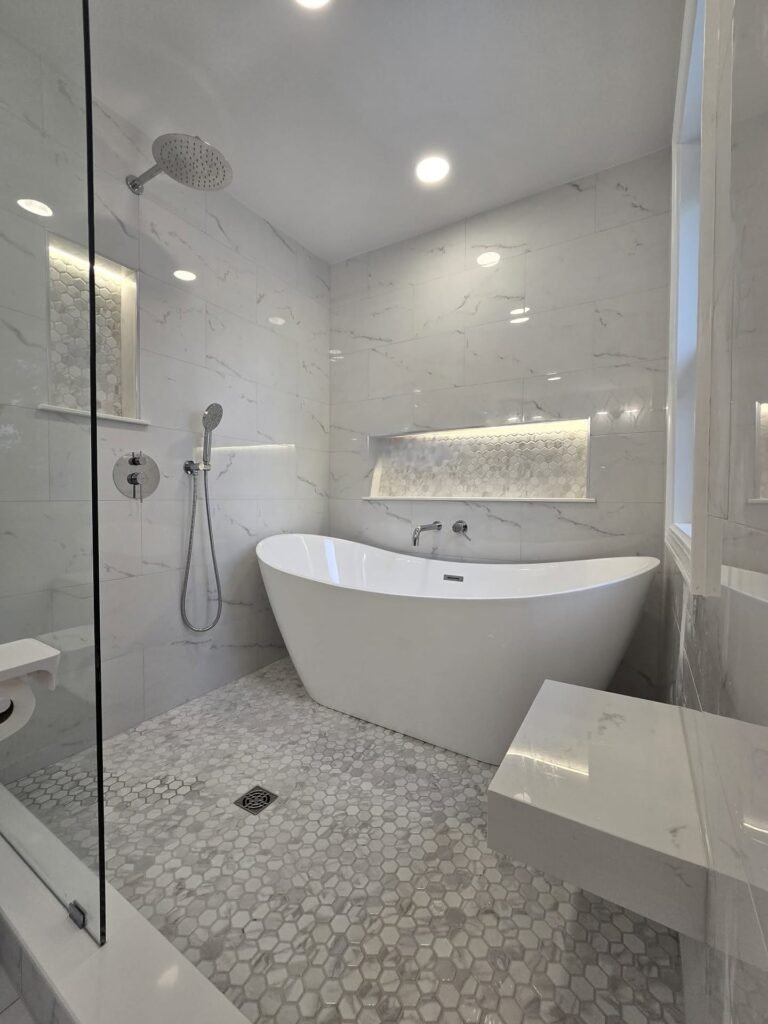
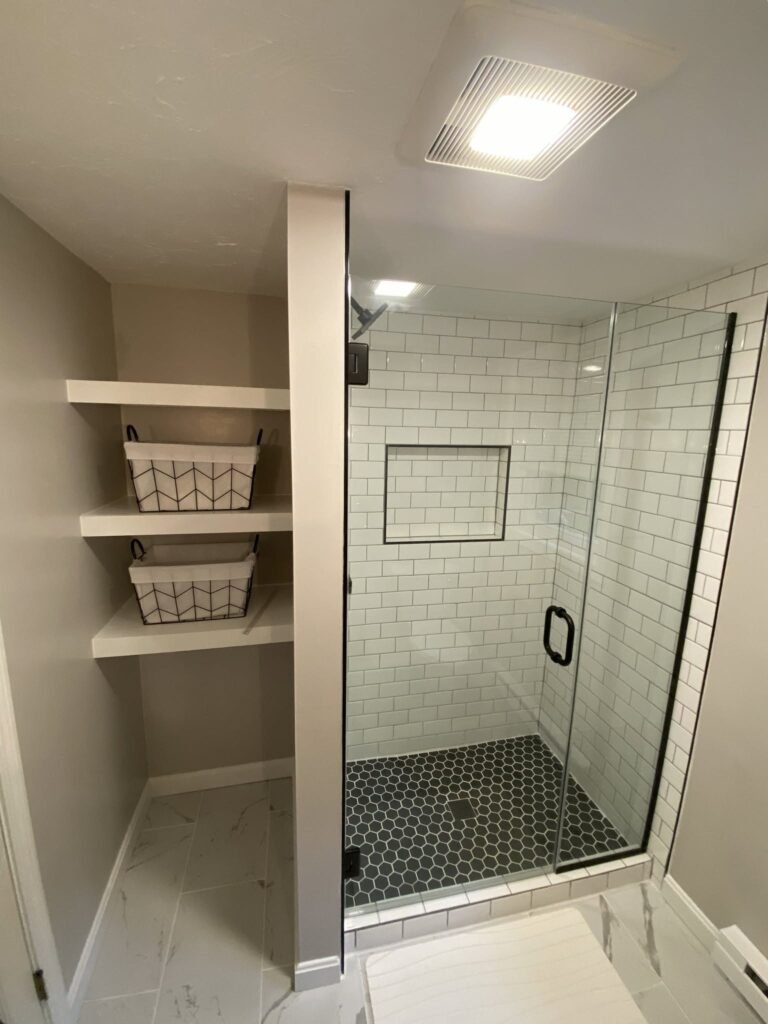
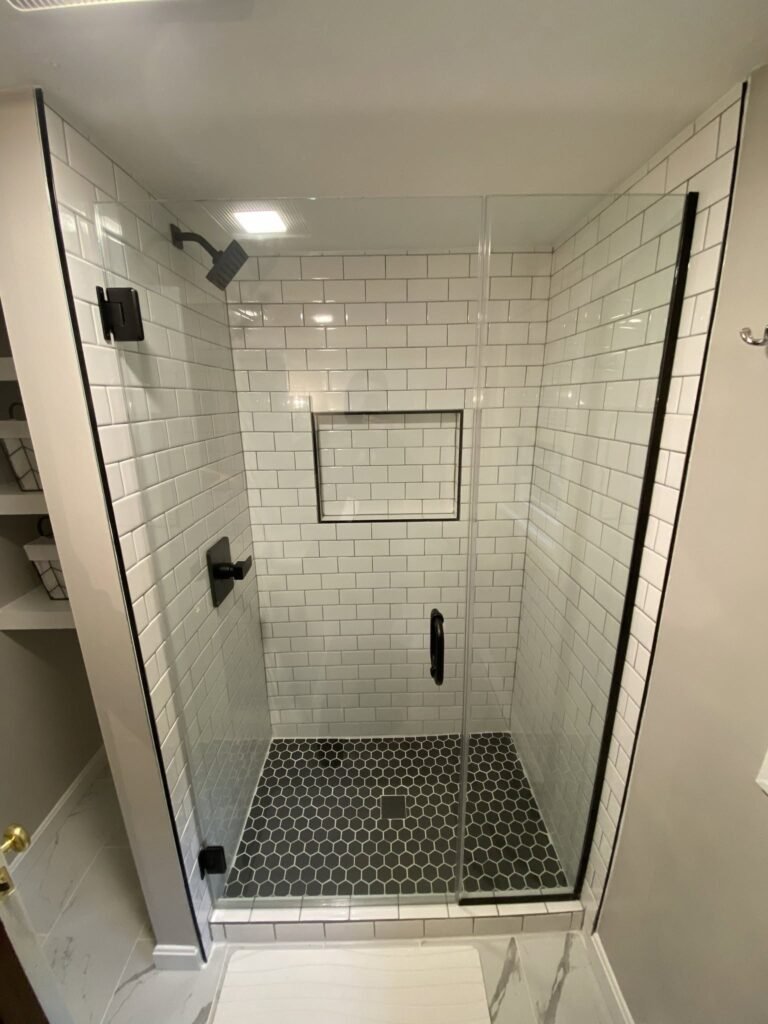
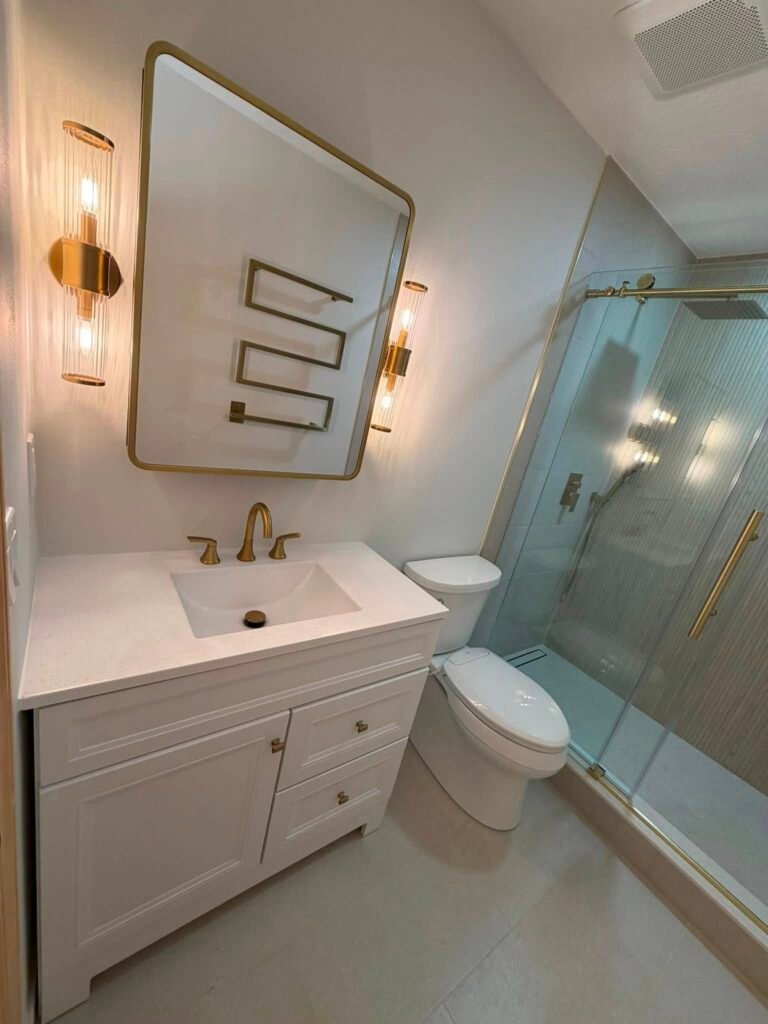
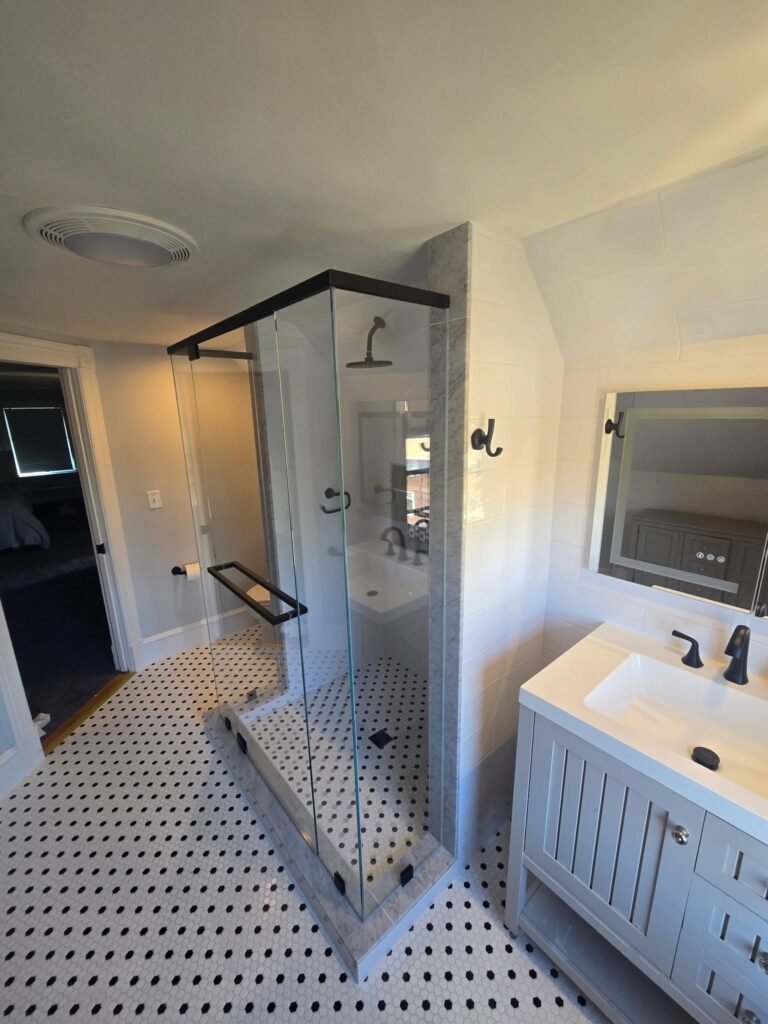
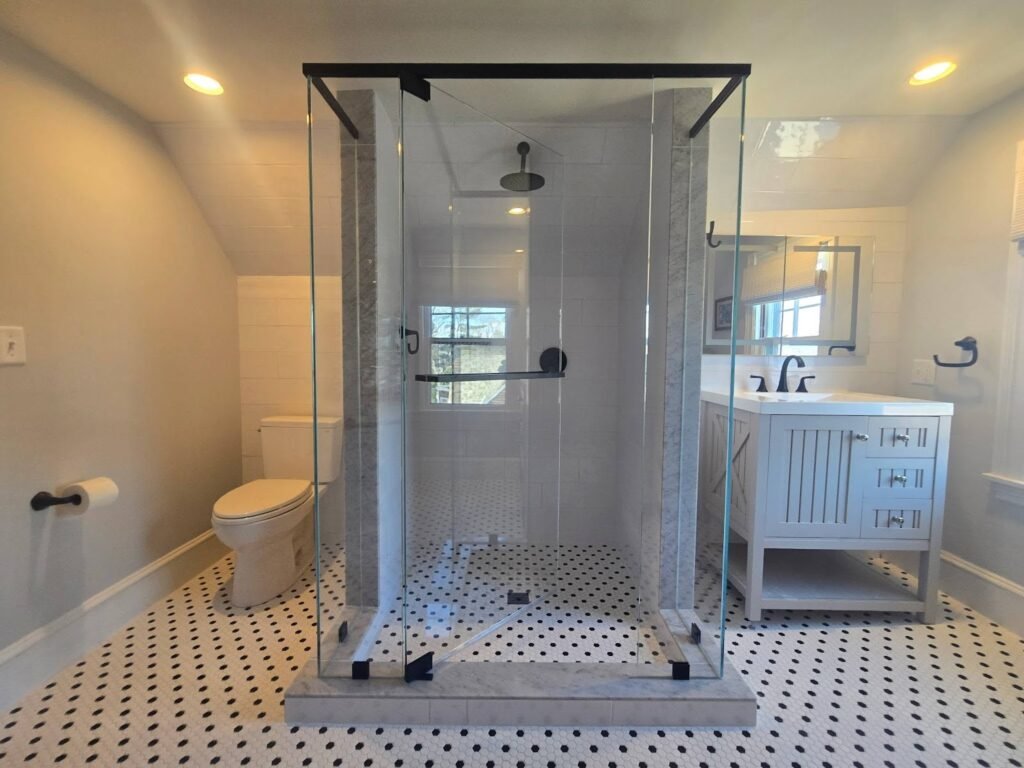
A few real bathroom remodeling projects completed by our team across Worcester County & Central MA. View our full project gallery →
Explore More
Related Services
Cost Guides
Areas We Serve
Free estimate: (508) 925-0396