Multi-Family Renovation Full-building rehab for duplexes, triple-deckers, and small apartment buildings across MA.
MA general contractor for multi-family renovation, triple-decker rehabilitation, and small apartment building upgrades across Worcester County and MetroWest. Unit-by-unit or whole-building renovations. Tenant coordination, lead-safe RRP, fire escape compliance, and multi-unit permit management handled under one contract.
Multi-Family Is a Different Animal
Renovating a multi-family building is not the same as renovating a single-family home three times. It’s fundamentally different work with different code requirements, different logistics, and different stakeholders. Fire separation between units, shared egress paths, lead paint in pre-1978 buildings (which is most of them in Worcester County), tenant displacement coordination, and city-specific inspection requirements — all of these are multi-family specific problems that single-family contractors don’t typically handle.
Massachusetts has one of the densest concentrations of multi-family housing in the country. Worcester alone has thousands of triple-deckers — the iconic three-story, three-unit buildings that defined New England working-class neighborhoods for over a century. Most were built between 1890 and 1930. Many haven’t had a significant renovation since the 1970s. The bones are solid — heavy timber framing, plaster walls, hardwood floors underneath carpet — but the systems are decades past useful life.
At JM All-Pro Services, we handle multi-family renovations as organized, phased construction projects — not chaos. Unit-by-unit sequencing so tenants can be relocated within the building. Lead-safe RRP practices on every pre-1978 property. Fire escape assessment. Coordinated multi-trade scheduling across units. One general contractor managing framing, drywall, electrical coordination, plumbing coordination, painting, flooring, windows, doors, and kitchens/baths across every unit.
Property Types We Renovate
Different multi-family building types have different renovation considerations. The most common in our service area:
Triple-Deckers
Worcester County StapleThe classic New England three-story, three-unit building. Typically 900-1,200 sq ft per floor. Front and rear porches. Common in Worcester, Leominster, Fitchburg, Clinton. Most built 1890-1930 with balloon or platform framing, plaster walls, and single-pane windows.
- 3 units, one per floor
- Front + rear porches / fire escapes
- Typically pre-1978 (lead paint likely)
- Heavy timber framing — solid bones
- Hardwood floors under carpet common
Duplexes
Side-by-Side or Up-DownTwo-unit properties — either side-by-side (shared center wall) or stacked (one unit per floor). Common first investment property for new landlords. Renovation scope is more manageable, but fire separation and lead-safe requirements still apply fully.
- 2 units, shared wall or stacked
- Owner-occupied + rental common
- Fire separation between units required
- Simpler logistics than 3+ units
- Often first-time investor property
Small Apartment Buildings
4 to 8 UnitsSmall apartment buildings with 4-8 units. Often converted single-family homes or purpose-built small apartments. Higher code requirements than 2-3 unit buildings in some categories. Professional landlord or property management company typically owns these.
- 4-8 units, mixed layouts
- Sprinkler requirements at 4+ units in some jurisdictions
- Professional management typical
- Phased renovation critical for income continuity
- Common areas (hallways, stairs) included
Condo Conversions
Rental → OwnershipConverting a multi-family rental building into individual condominium units for sale. Renovation to market-ready finish quality. Each unit needs independent systems, metering, and finishes that appeal to buyers rather than tenants.
- Higher finish quality for sale market
- Separate utility metering per unit
- Common area specifications
- Unit-specific kitchen/bath upgrades
- Legal conversion process parallel
What Multi-Family Renovation Covers
Multi-family renovation typically includes work across every unit plus common areas and building systems:
Kitchens (Per Unit)
Cabinet replacement, countertops, sinks, appliances, flooring. Rental-grade or condo-grade finishes depending on exit strategy.
Bathrooms (Per Unit)
Tub/shower replacement or refinishing, vanity, toilet, tile, flooring. Full gut or cosmetic refresh per unit condition.
Flooring Throughout
LVP over existing subfloor most common for rentals. Hardwood refinish for condos. Tile in wet areas. Consistent across units or unit-specific.
Interior Paint (All Units)
Full repaint every unit — walls, trim, ceilings, doors. Neutral palette for rental. Premium palette for condo conversion.
Windows + Doors
Replace single-pane windows building-wide. Entry doors, unit doors, storm doors. Energy Star products reduce tenant utility complaints.
Drywall + Plaster Repair
Patch holes, repair cracks, skim-coat plaster walls, replace damaged sections. Multi-unit means multiply every repair by unit count.
Common Areas
Hallways, stairways, entryway, mailbox area, laundry rooms. Often overlooked but critical for tenant satisfaction and condo sales.
Exterior Envelope
Siding repair/replacement, exterior paint, porch repair, fire escape maintenance, roof assessment, gutter replacement.
Electrical Upgrades
Panel upgrades, separate metering, GFCI/AFCI where required, lighting upgrades. Coordinated with licensed electricians.
Lead Paint Remediation
EPA RRP certified lead-safe practices on every pre-1978 unit. MA 105 CMR 460.000 compliance. Containment, HEPA cleanup, documentation.
Multi-Family Code Requirements in MA
Multi-family buildings have additional code requirements beyond single-family that many contractors don’t know or don’t follow. These are non-negotiable and inspector-verified:
Fire Separation Between Units
One-hour fire-rated assembly (5/8″ Type-X drywall minimum) on all shared walls and floors between dwelling units. Fire-rated doors at unit entries.
Two Means of Egress
Each unit needs two separate exit paths. Typically front stairs and rear stairs or fire escape. Both must be maintained in working condition.
Smoke + CO Detection
Hardwired interconnected smoke detectors in every bedroom and hallway per unit. CO detectors required with any fuel-burning appliance. Common area detectors.
Lead Paint (Pre-1978)
EPA RRP required for any renovation disturbing painted surfaces. MA requires de-leading or interim controls in units with children under 6. Inspections common at tenant turnover.
Fire Escape Maintenance
Exterior fire escapes must be structurally sound, rust-free, clear of obstructions, and properly connected to building. Repair or replacement during renovation.
Electrical Per Unit
Each unit needs adequate electrical service. Separate metering typical. Panel capacity sufficient for modern appliance loads. GFCI in kitchens and bathrooms.
Heating Per Unit
Each unit requires independent heating system or independent zone control. Tenant must be able to control their own temperature. Common boiler with zone valves acceptable.
Sanitary Code 410
MA State Sanitary Code 105 CMR 410.000 sets minimum habitability standards — hot water, heating, pest control, structural integrity, ventilation. Applies to all rental units.
The Worcester County Triple-Decker: A Renovation Goldmine
Triple-deckers are the defining housing type of central Massachusetts. Built as worker housing for the industrial economy, they’re structurally overbuilt (heavy timber framing designed to last centuries), logically laid out (one unit per floor, identical floor plans), and ripe for renovation because most haven’t been significantly updated in decades.
A full triple-decker renovation transforms a tired, lead-painted building with single-pane windows and dated kitchens into a modern, code-compliant, tenant-attractive property generating premium rents. Post-renovation rents in Worcester are currently $1,400-$2,200 per unit depending on size and finish quality — three units means $4,200-$6,600 per month in gross rental income from a single building.
Who Hires Multi-Family Renovation
Buy-and-Hold Landlords
Long-term rental property owners upgrading units to command higher rents, reduce maintenance calls, and attract better tenants. ROI-focused renovation decisions.
Multi-Family Flippers
Investors buying distressed multi-family properties, renovating all units simultaneously, and selling at a premium. Speed and budget control critical.
Condo Converters
Converting rental buildings to individual condo units for sale. Higher finish quality required. Each unit needs to attract individual buyers.
Owner-Occupant Landlords
Living in one unit, renting the others. Renovating tenant units to increase income while also upgrading their own unit. Common with duplexes and triple-deckers.
Property Management Companies
Managing multiple buildings for owners. Need reliable contractor who can handle recurring renovation work across their portfolio with consistent quality.
BRRRR Strategy Investors
Buy, Rehab, Rent, Refinance, Repeat. Renovation scope driven by appraisal value targets for refinance. Need contractor who understands ARV-driven renovation decisions.
Our Multi-Family Process
Multi-family renovation requires more project management than single-family. Our phased approach:
Building Assessment
Walk every unit. Document condition of kitchens, baths, flooring, walls, windows, electrical panels. Assess common areas, exterior, fire escapes. Lead paint testing for pre-1978 buildings.
Scope + Budget Matrix
Per-unit renovation scope defined. Prioritize by ROI: which upgrades increase rent most vs cost least? Build a unit-by-unit budget matrix showing total project cost and projected rent increase.
Tenant Coordination Plan
If units are occupied: which tenants move to which vacant unit during renovation? Sequencing plan so no tenant is displaced from the building. Timeline communicated clearly to all tenants.
Permits + Lead Testing
Building permits pulled. Lead paint testing completed and documented. EPA RRP plan prepared. Electrical and plumbing permits coordinated.
Unit-by-Unit Renovation
One unit at a time (or all simultaneously if building is vacant). Demo, framing, rough mechanicals, drywall, paint, flooring, kitchen, bath, trim — full sequence per unit.
Common Areas + Exterior
Hallways, stairways, entry repainted and repaired. Exterior siding, paint, porches, fire escapes addressed. Building-wide curb appeal restored.
Inspections + Turnover
All inspections passed. Lead-safe clearance testing if applicable. Units cleaned and ready for tenant move-in or listing for rent/sale.
What Drives Multi-Family Renovation Cost
Number of Units
Primary multiplier. Each additional unit adds kitchen, bath, flooring, paint, windows. Volume pricing helps but doesn’t eliminate per-unit cost.
Scope Per Unit
Cosmetic refresh (paint, flooring, fixtures) cheapest. Kitchen/bath gut renovation mid. Full gut-to-studs most expensive per unit.
Lead Paint Scope
Pre-1978 buildings (most multi-family in MA) require EPA RRP. Full de-leading vs encapsulation vs interim controls — costs vary significantly.
Finish Quality
Rental-grade finishes (LVP, stock cabinets, laminate counters) cheapest. Condo-grade finishes (hardwood, custom cabinets, stone counters) premium.
System Upgrades
Electrical panel upgrades, boiler replacement, separate metering — building-system upgrades shared across all units. One-time cost but significant.
Exterior Envelope
Siding, windows, porches, fire escapes, roof — building-wide exterior costs are significant but shared across all units.
Tenant Relocation
Occupied buildings need tenant coordination. Temporarily relocating tenants adds complexity and sometimes direct cost (temporary housing).
Fire Escape Work
Rusted or structurally compromised fire escapes need repair or replacement. Structural steel work and painting adds cost but is non-negotiable for safety.
Why Choose JM All-Pro for Multi-Family
01Multi-Unit Experience
We understand the logistics of renovating multiple units — sequencing, tenant coordination, and consistent quality across every unit in the building.
02MA Licensed
CSL #121166, HIC #214808. Insured. MA construction supervisor experienced with multi-family building code requirements.
03EPA RRP Lead-Safe
Pre-1978 multi-family buildings require lead-safe renovation practices. We’re EPA RRP certified and follow MA 105 CMR 460.000.
04All Trades Coordinated
Framing, drywall, paint, flooring, kitchen, bath, windows, doors — all managed under one schedule. Not 8 separate subcontractors to chase.
05Investor-Friendly Communication
We speak investor language — ARV, rent comps, cost-per-unit, ROI on specific upgrades. Budget matrix, not vague estimates.
06Tenant Coordination
Occupied buildings need careful planning. We create sequencing plans so tenants move within the building, not out of it.
07Volume Consistency
When renovating 3-8 identical units, consistency matters. Same finish quality, same material specs, same workmanship — every unit.
08Portfolio Relationship
Investors with multiple buildings need a reliable repeat contractor. We build long-term relationships with landlords and property managers.
▐▐▐ Multi-Family Renovation Service Areas
Based in Clinton, MA. Multi-family renovation across Worcester County, Middlesex County, and MetroWest — the densest concentration of triple-deckers and small multi-family in central MA:
Related Services
Multi-Family Renovation FAQs
How much does a full triple-decker renovation cost?
Cost depends on scope per unit, number of units, existing condition, lead paint status, and finish quality (rental-grade vs condo-grade). A cosmetic refresh (paint, flooring, fixtures, appliances) per unit is the most affordable tier. Full kitchen and bath gut renovation per unit is mid-range. Complete gut-to-studs with new windows, electrical, and plumbing is the highest tier. Building-wide costs (exterior, fire escapes, boiler, roof) are shared across units. Written estimates after building assessment with per-unit and total project breakdown.
Can you renovate while tenants are still living in the building?
Yes — this is one of our core competencies. We create a sequencing plan: renovate the vacant unit first, move tenant from unit 2 into the finished unit 1, renovate unit 2, move tenant from unit 3 into finished unit 2, renovate unit 3. This rotation keeps tenants in the building throughout. Clear communication and timeline adherence are critical. We provide written schedules to all tenants before work begins.
Is lead paint a guaranteed issue on multi-family buildings?
If the building was constructed before 1978 — which includes most triple-deckers and small apartment buildings in Worcester County — lead paint is almost certainly present on some surfaces. EPA RRP lead-safe practices are legally required for any renovation that disturbs painted surfaces. Massachusetts has additional requirements under 105 CMR 460.000, including mandatory de-leading or interim controls in units with children under 6. We’re EPA RRP certified and handle lead-safe practices on every pre-1978 multi-family project.
Do you handle the permitting for multi-family renovation?
Yes. Multi-family building permits are more complex than single-family — they often involve the building department, fire department, and board of health. Electrical and plumbing permits are pulled by licensed tradespersons. We coordinate all permit applications, schedule inspections, and manage the approval process. Lead-safe documentation is maintained throughout and provided to the property owner for records.
What’s the difference between rental-grade and condo-grade renovation?
Rental-grade renovation uses durable, cost-effective materials designed for tenant turnover: LVP flooring, stock cabinets, laminate countertops, builder-grade fixtures. Condo-grade renovation uses higher-quality materials that appeal to individual buyers: hardwood or premium LVP, semi-custom cabinets, stone or solid-surface countertops, upgraded fixtures and hardware. The cost difference is significant — condo-grade typically costs 40-60% more per unit — but the sale price per unit also reflects the higher finish.
Can you help with fire escape repair?
Yes. We assess fire escape structural condition during the building walk-through. Rusted connections, missing railings, deteriorated platforms, and poor anchoring to the building are common issues on older triple-deckers. We coordinate structural steel repair or replacement, rust treatment, and painting. Fire escapes are life-safety systems — deferring maintenance is not acceptable and will be cited by inspectors.
Do you work with property management companies?
Yes. Property managers need reliable contractors for recurring renovation work across their portfolio — unit turnovers, capital improvement projects, emergency repairs, and planned renovation schedules. We build ongoing relationships with PM companies, maintain consistent pricing, and prioritize their scheduling needs. Portfolio contractors who deliver consistent quality earn repeat business.
What about condo conversion — do you handle the full process?
We handle the construction side of condo conversion — renovating each unit to sale-ready condition with independent systems, metering, and market-grade finishes. The legal conversion process (master deed, unit deeds, condo association formation, regulatory filings) requires a real estate attorney. We coordinate with your attorney and real estate agent on construction timing relative to sales timeline.
How long does a full triple-decker renovation take?
With all three units vacant: 8-16 weeks depending on scope. With occupied tenants using the rotation method: 12-20 weeks due to move coordination between units. Full gut renovation with system upgrades (electrical, plumbing, windows) takes longer than cosmetic renovation. Exterior work (siding, paint, porches) can happen simultaneously with interior work in warmer months. We provide detailed timelines during the scope development phase.
How do I get started?
Call (508) 925-0396 or submit the quote form. Tell us building type (duplex, triple-decker, 4+ unit), approximate condition, number of occupied vs vacant units, and your goals (hold for rental, flip for sale, condo conversion). We schedule a building walk-through, assess every unit and common area, and provide a per-unit scope matrix with total project pricing.
▐▐▐ Your Whole Building, One Contractor
Free building assessment across all units and common areas. Per-unit scope matrix with total project pricing. Tenant coordination plan. Lead-safe RRP on every pre-1978 property. From triple-deckers to small apartment buildings — one contract, one timeline, consistent quality every unit.
Recent Projects
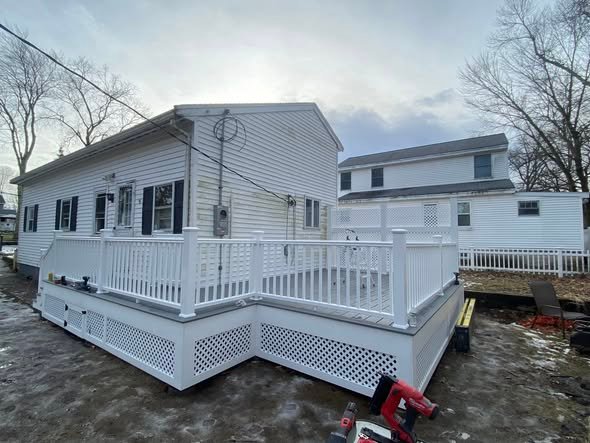
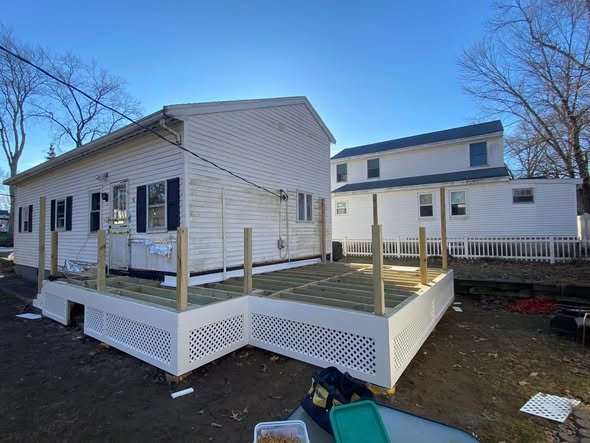
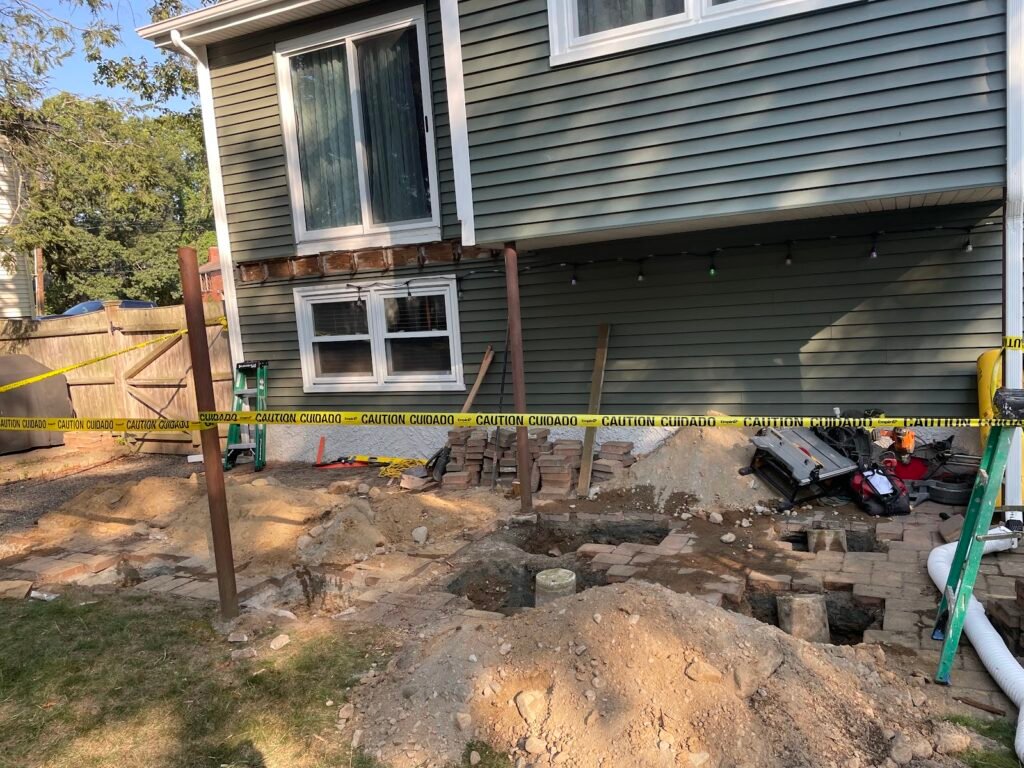
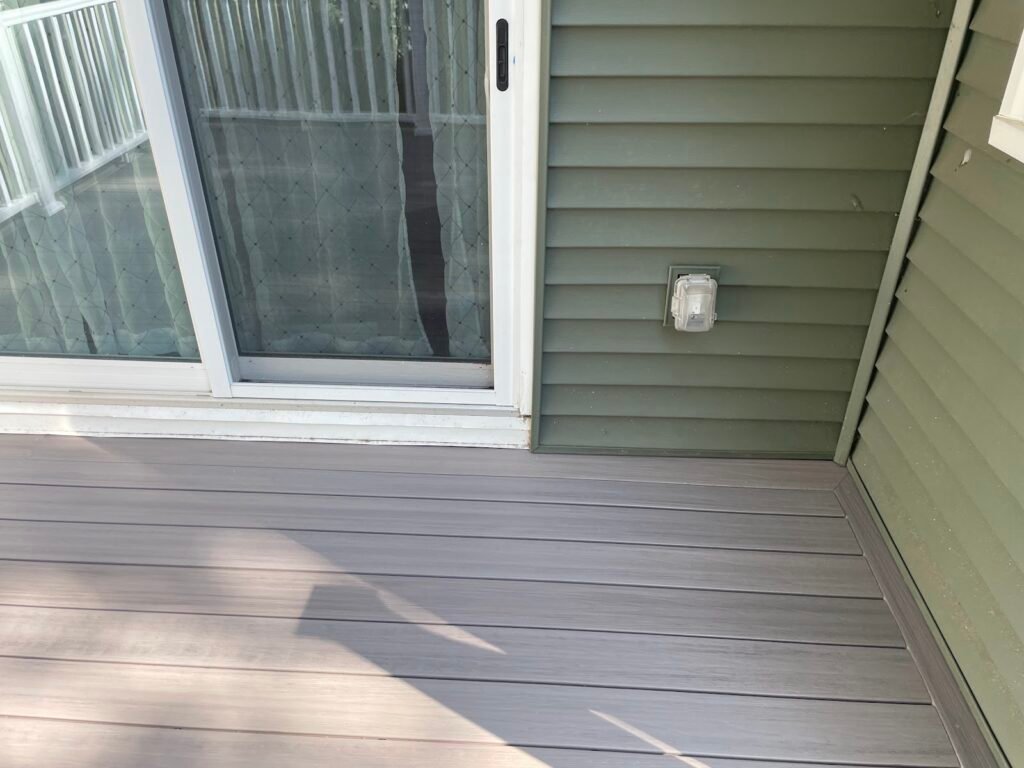
A few real exterior remodeling projects completed by our team across Worcester County & Central MA. View our full project gallery →
Explore More
Related Services
Cost Guides
Areas We Serve
Free estimate: (508) 925-0396