Porch Repair in Massachusetts
Rotted porch floors, sagging roofs, loose railings, cracked columns, and crumbling steps. We diagnose what’s actually failing on your porch — and fix it without quoting a full rebuild when targeted repair is what’s needed. Includes porch steps repair, the most common issue.
Porches have roof, columns, and ledger connections that decks don’t. Different inspection, different repairs, different code rules.
Porches Aren’t Decks — Different Repairs Required
Porches and decks share some elements (joists, ledgers, footings) but porches have additional systems: roof structures, columns, beadboard ceilings, ornamental trim, integrated railings, and stairs that often connect to grade. The repair approach is different, the materials are different (porches often have decorative profile matching), and the code requirements are different. Most Massachusetts porches are 50-120 years old — historic homes with original detail worth preserving.
Porch Safety — When NOT to Use It
Some porch issues are cosmetic and can wait. Others are structural failures that make the porch dangerous. Stop using your porch if you see any of these:
Sagging Porch Roof
Visibly drooping in the middle or pulling away from house
Cracked Support Columns
Vertical splits, lean, or compression damage at column base/cap
Rotted Porch Floor Boards
Soft spots that flex underfoot, especially near stairs or edges
Wobbly / Failed Steps
Stairs that shift, separate from porch, or have loose treads
Failed Railing
Railings that lean, wobble, or aren’t securely attached
Pulling From House
Gap appearing between porch and house wall (ledger failure)
PART IPorch Repair Services
Porch Floor Repair
Decking ▪ Joists ▪ Beams ▪ SubfloorPorch floors take heavy weather and traffic. Rotted boards, sagging spots, and squeaking are the most common complaints. Some are cosmetic, others structural. Common problems we repair:
Rotted Floor Boards
Soft, splintered, or cracked tongue-and-groove boards. Usually starts where water sits — corners, near columns, against the house.
Fix: Replace damaged boards with matching profile. Inspect joists underneath.
Sagging Floor
Whole sections feel low or sloped. Joists rotted from below, beam settling, or footing failure.
Fix: Sister joists, replace beam, or add new posts/footings. Engineering review for major sag.
Squeaky Boards
Boards squeak when stepped on. Fasteners loose, joists shifted, or wood dried and shrunk.
Fix: Re-screw boards from above with proper fasteners, or shim from below.
Failed Subfloor
Plywood subfloor rotted (common on enclosed porches). Damages tongue-and-groove flooring above.
Fix: Remove top flooring, replace damaged subfloor, reinstall or replace floor boards.
Porch Column Repair
Wood ▪ Composite ▪ Fiberglass ▪ AluminumPorch columns do two jobs — they hold up the roof, and they’re often a dominant visual element of the home. Damaged columns affect both. Common column problems:
Rotted Column Base
Bottom of wood column rotted from sitting on damp porch floor. Most common column problem.
Fix: Replace base with PVC or pressure-treated, restore profile, or full column replacement.
Cracked / Split Column
Vertical splits running up wood column. From wood shrinkage, frost expansion, or compression damage.
Fix: Epoxy fill and reinforce, or replace if structural integrity compromised.
Leaning / Tilted Column
Column out of plumb. Roof beam may be sagging, footing may have settled, or column base rotted.
Fix: Diagnose root cause, fix underlying issue (footing/beam), reset column properly.
Damaged Column Profile
Decorative cap or base trim damaged. Common on Victorian and Colonial porches with elaborate column tops.
Fix: Custom mill replacement profile or use stock matching profile.
Column Material Options for Replacement
Cellular PVC
Moisture-proof. Best for new column replacements.
Fiberglass
Strong, paint-grade. Premium tapered or fluted profiles.
Aluminum
Lightweight, never rots. Common for replacements only.
Pressure-Treated Wood
Traditional, matches historic homes. Budget option.
Cedar Wood
Naturally rot-resistant, historic look without PT chemicals.
Stone Wrap
Stone-veneer wraps over structural columns. High-end look.
Porch Roof & Ceiling Repair
Soffit ▪ Beadboard ▪ Trim ▪ BeamPorch roofs leak, sag, or damage the ceiling and trim below. Beadboard ceilings (very common on MA porches) are particularly susceptible to water damage from above:
Sagging Roof Structure
Porch roof visibly drooping. Beam undersized, joist span too long, or rotted framing.
Fix: Add support beam, sister rafters, or full reframe section. Engineering for severe cases.
Damaged Beadboard Ceiling
Tongue-and-groove beadboard panels stained, sagging, or rotting. Usually from roof leak above.
Fix: Fix roof leak first. Replace damaged panels with matching beadboard, paint to match.
Rotted Soffit / Fascia
Soffit boards (under roof overhang) or fascia (front edge of roof) showing rot.
Fix: Replace damaged sections with PVC or primed pine. Address gutter or flashing issue.
Damaged Trim & Crown
Decorative trim, dentil molding, or crown rotted or damaged. Historic porch detail elements.
Fix: Custom-mill matching profile, or use stock profiles to recreate look.
PART IIPorch Steps Repair
Porch Steps Repair
Treads ▪ Risers ▪ Stringers ▪ HandrailsPorch steps are the most-used and most-exposed part of any porch. They’re walked on every day, exposed to weather year-round, and often the first part of a porch to fail. Most porch steps issues fall into one of these categories:
Step-Specific Problems
Rotted / Broken Tread
The horizontal board you step on cracked, splintered, or rotted. The most common porch step failure.
Damaged Stringer
Diagonal support boards on either side of the steps. Rot in stringer means structural failure — steps will collapse.
Wobbly Steps
Steps shift or feel unstable. Stringers separated from porch, fasteners failed, or foundation settled.
Rotted Risers
The vertical board between treads. Often rots before treads due to water running down them.
Loose / Failed Handrail
Wobbly or completely failed handrail. Common safety issue, especially for older homeowners.
Settled / Tilted Steps
Whole stair assembly tilted forward or sideways. Base/footing failure under bottom step.
Off-Code Risers / Treads
Inconsistent riser heights (variation more than 3/8″) create trip hazard. MA code violation.
Cracked Concrete Steps
Brick or concrete porch steps cracked, spalled, or sinking. Different repair approach than wood.
📋 Massachusetts Stair Code for Porches
Porch steps have specific code requirements in Massachusetts. We bring repairs up to current code, which often catches issues from original construction that wouldn’t pass today:
Riser Height 7-3/4″ Max
Each riser height max 7-3/4″. Variation between risers max 3/8″.
Tread Depth 10″ Min
Each tread minimum 10″ deep. Front of tread to back of next riser.
Stair Width 36″ Min
Minimum clear width 36″ between handrails or walls.
Handrail Required
Required on 4+ risers. Height 34-38″. Continuous along full stair length.
Handrail Graspability
1-1/4″ to 2″ diameter for grip. Returns required at ends.
Headroom 6’8″ Min
Minimum 6’8″ of clear vertical space above stair tread surface.
Slip-Resistant Surface
Treads must provide slip-resistant surface, especially in MA weather.
Frost-Depth Bearing
Bottom step must rest on frost-depth (48″) footing in MA, not just on grade.
PART IIIMaterials & Profile Matching
Historic and older MA porches often have specific moldings, profiles, and details that need matching during repair. The wrong material or wrong profile makes the repair stand out:
Cellular PVC Trim
Looks like wood, never rots. Best replacement material for ground-level trim, baseboards, columns base.
▸ MOISTURE PROOFPressure-Treated Pine
For structural framing — joists, beams, stringers. Rot-resistant for hidden structural members.
▸ STRUCTURECedar Tongue-and-Groove
Traditional porch floor material. Rot-resistant naturally, takes stain or paint well.
▸ FLOOR BOARDSMahogany Decking
Premium porch flooring. Beautiful grain, weather-resistant, traditional historic homes.
▸ PREMIUMPainted Beadboard
1×4 or 1×6 tongue-and-groove for porch ceilings. Easy to match existing.
▸ CEILINGSFiberglass Columns
Match historic column profiles (Doric, Tuscan, Ionic, Corinthian). Tapered and fluted available.
▸ COLUMNS❦ Porch Repair vs. Full Rebuild
Most porch problems can be repaired without a full rebuild — even on 80-100 year old porches. Here’s how we evaluate:
Repair Makes Sense When…
- Foundation and footings sound
- Roof framing structurally OK
- Issues localized to specific components
- Historic detail worth preserving
- Less than 30% of structure damaged
- Original profiles can be matched
- Cost less than 50% of rebuild
Full Rebuild Better When…
- Foundation/footings failing
- Roof framing widely damaged
- Multiple systems failing
- Porch wasn’t originally built to code
- Want to change size or design
- More than 50% structure damaged
- Repair cost exceeds rebuild cost
PART IVOur Repair Process
Photos / Call
Send photos or describe issue. Initial assessment free.
On-Site Inspection
Full porch evaluation: floor, roof, columns, steps, foundation.
Honest Recommendation
Repair or rebuild guidance with specific reasoning.
Written Estimate
Detailed scope, materials, profile matching, timeline.
Material Sourcing
Custom profiles milled or matching stock ordered.
Repair Execution
Code-compliant work matching existing detail.
Paint / Stain
Finished to match existing or fresh look.
Walkthrough
Final walkthrough, punch list, jobsite clean.
PART VWhy Choose JM All-Pro for Porch Repair
Historic Profile Matching
Custom-milled trim and column profiles for historic porches. Repairs that blend in.
Code-Compliant Steps
Riser height, tread depth, handrail spec, footing depth — all to current MA code.
MA Licensed & Insured
MA CSL #121166 and HIC #214808. Full liability + workers comp coverage.
Repair-First Philosophy
We push for targeted repair when it makes sense — not always full rebuild quotes.
Roof System Specialists
Porch roof framing, beam replacement, beadboard ceilings, soffit work — full system.
Column Replacement
PVC, fiberglass, cedar, aluminum — all column types matched to your home’s style.
Permits Handled
Major structural repairs require permits. We pull and schedule inspections.
Written Estimates
Full scope, materials, timeline in writing before any work begins.
PART VIService Areas
📍 Where We Repair Porches
Based in Clinton, MA. Porch repair and porch steps repair across Worcester County, Middlesex County, and MetroWest:
PART VIIRelated Services
PART VIIIPorch Repair FAQs
How do I know if my porch is unsafe?
Red flags: sagging roof, cracked columns, soft/rotted floor boards (especially near edges or stairs), wobbly steps, failing handrail, or visible gap pulling away from the house. If any of these are present, stop using the porch and call for inspection right away.
How much does porch repair cost in MA?
Wide range depending on scope. Spot board replacement is the lowest tier. Step replacement mid-range. Column replacement higher. Roof framing repair or major structural work approaches porch rebuild cost. Written estimates provided after on-site inspection.
Should I repair or rebuild my porch?
Most porches can be repaired even when they look bad. If foundation, footings, and roof framing are sound, repair makes financial sense. If multiple systems are failing or the porch wasn’t built to code originally, full rebuild may be the better investment. We give honest assessment.
Can you match my historic porch’s details?
Yes. Custom-milled trim profiles for matching original moldings. Column profiles matched (Doric, Tuscan, Ionic, Corinthian). Beadboard ceiling panels matched in width and profile. Historic homes deserve appropriate repair work.
Are porch steps different from regular stairs?
Porch steps follow the same MA stair code as any other exterior stairs: 7-3/4″ max riser, 10″ min tread, 36″ min width, handrail required on 4+ risers. The footing requirement matters — bottom step must rest on frost-depth (48″) footing in MA, not just on grade.
Do porch repairs require permits in Massachusetts?
Cosmetic repairs (board replacement, painting, trim) typically don’t. Structural repairs (roof framing, columns, ledger, footings, steps to grade) usually require permits. We pull required permits and coordinate inspections.
How long does porch repair take?
Spot repairs (few boards, hardware) often finish in 1-2 days. Component repairs (steps, columns, sections of floor) 3-7 days. Major structural repairs 1-3 weeks. Custom profile matching for historic porches can add lead time.
Can you fix the steps without rebuilding the whole porch?
Yes, in most cases. Porch steps are a standalone assembly — they can be rebuilt without touching the porch itself. We replace stringers, treads, risers, and handrails as a unit, often in 2-4 days.
Does my homeowners insurance cover porch repair?
Generally only for sudden damage (storm, fallen tree, vehicle impact). Gradual rot, normal wear, or material failure typically isn’t covered. We work with insurance adjusters when applicable. Check with your insurance carrier.
How do I get started?
Call (508) 925-0396 and describe the issue, or text photos. We can give an initial assessment from photos alone. Then we schedule a free on-site inspection and follow up with a written estimate within 24-48 hours.
Porch or Steps Need Repair?
Send photos by text to (508) 925-0396 or submit through our quote form. We respond within 24 hours with initial assessment and schedule an on-site inspection. Safety-critical issues prioritized.
Recent Projects
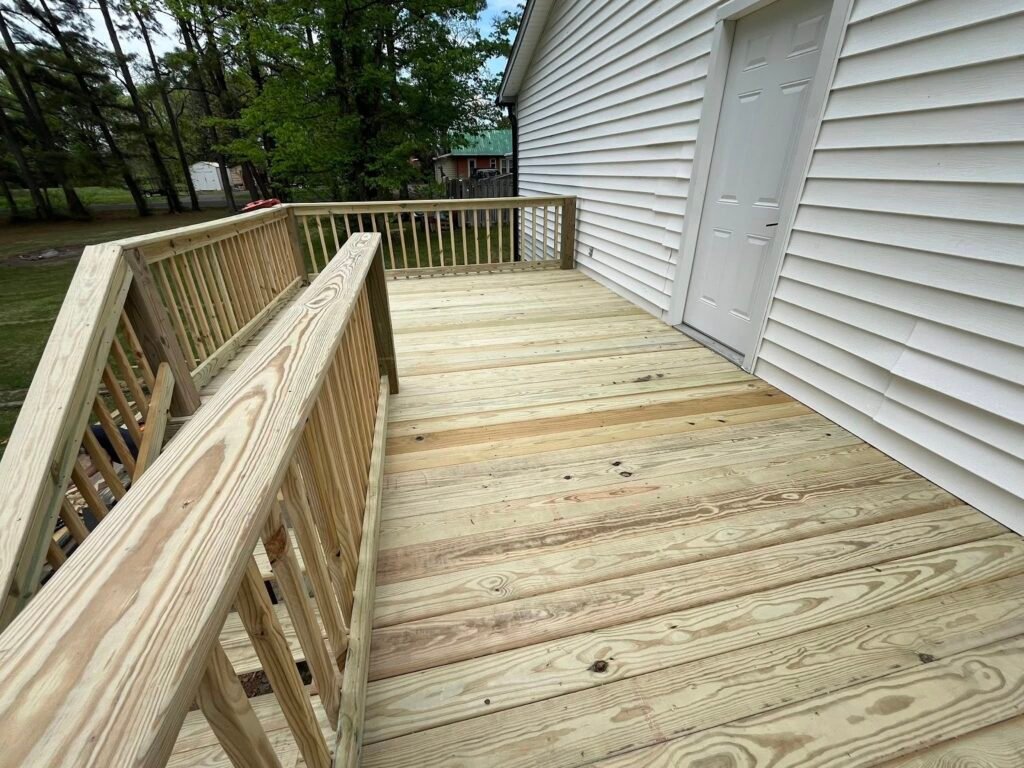
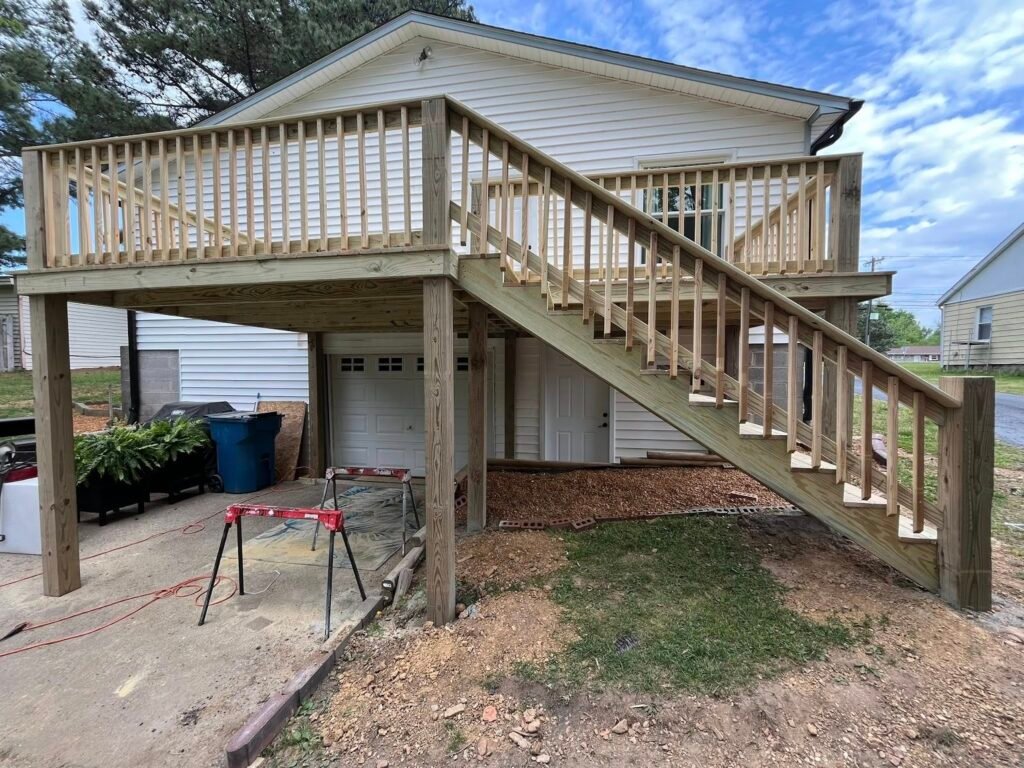
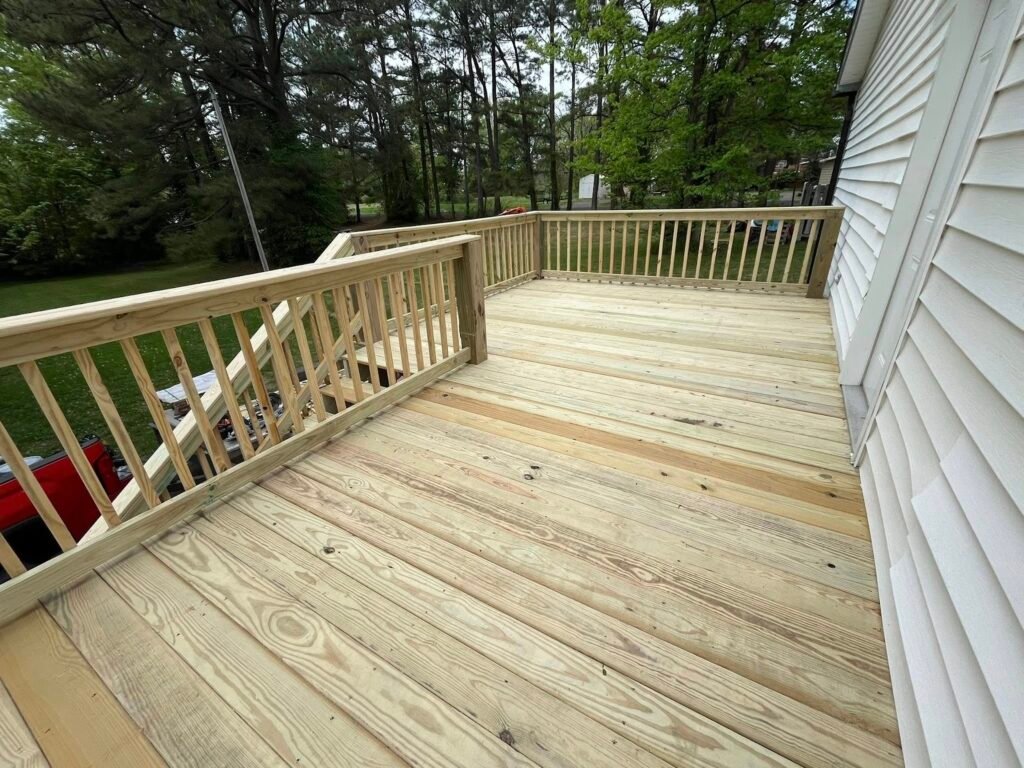
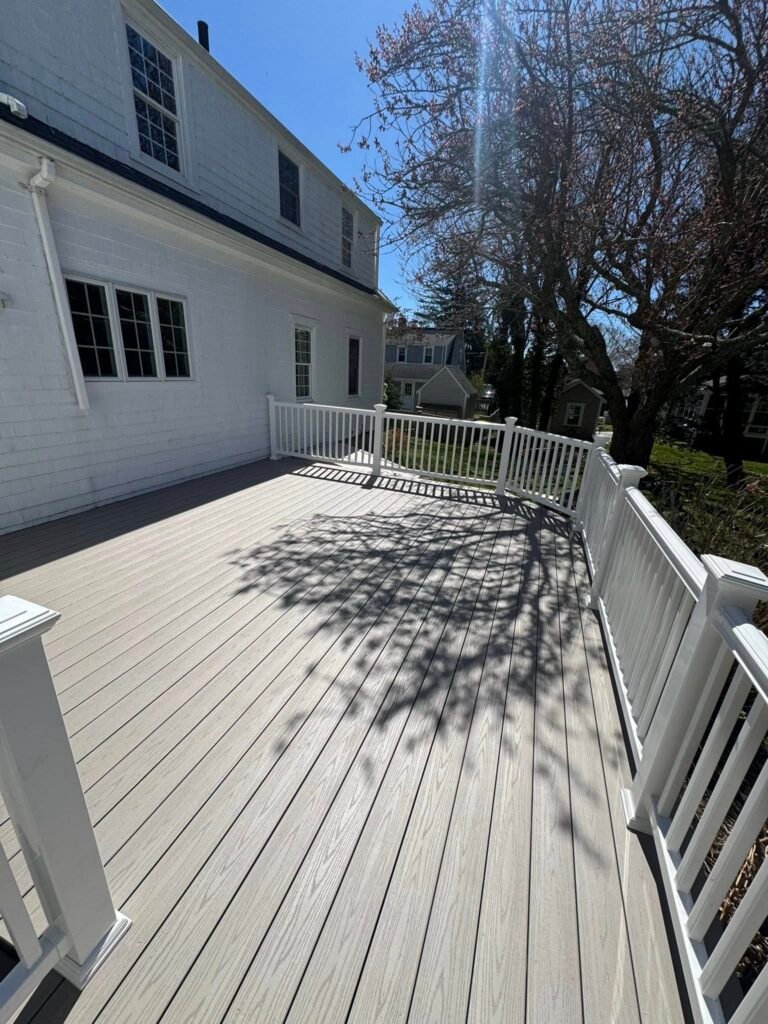
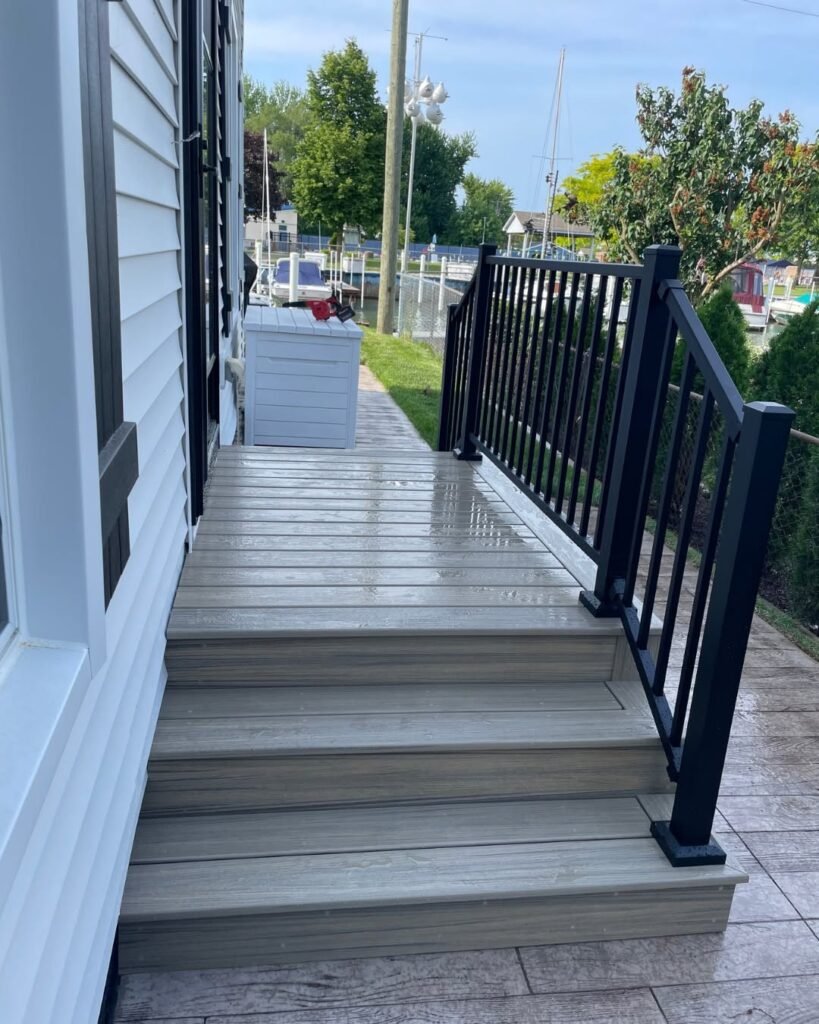
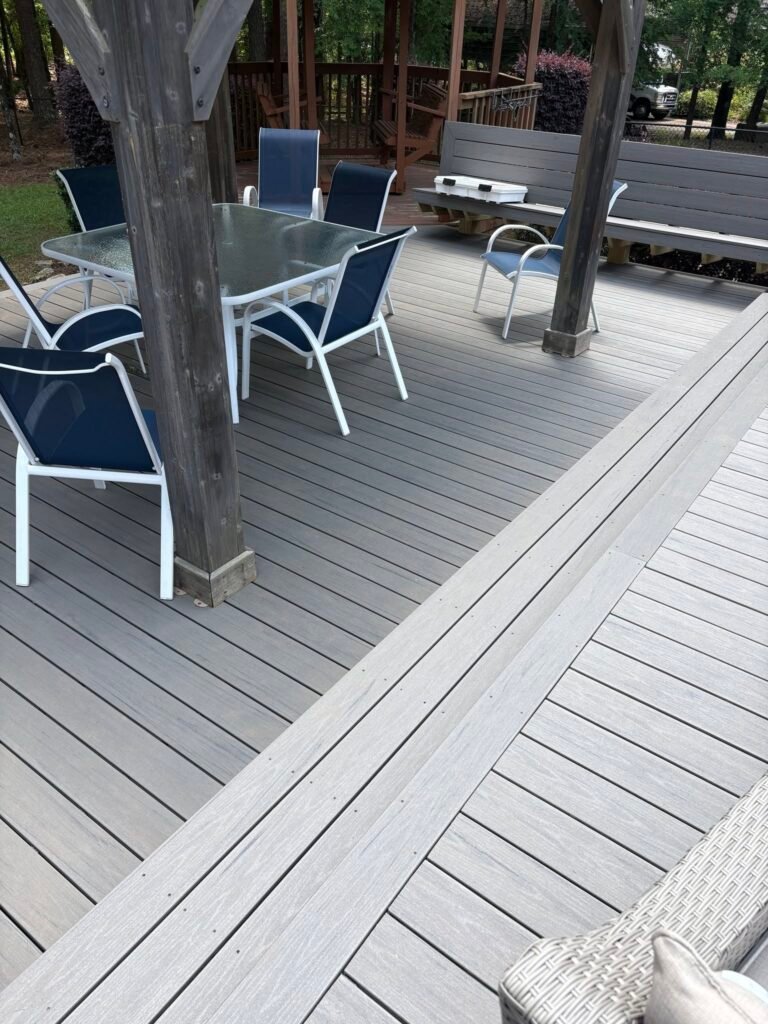
A few real deck building projects completed by our team across Worcester County & Central MA. View our full project gallery →
Explore More
Related Services
Cost Guides
Areas We Serve
Free estimate: (508) 925-0396