Attic Remodeling in Massachusetts
Turn unused attic space into a finished bedroom, home office, playroom, or primary suite. Proper insulation, code-compliant headroom, smart staircase planning, and HVAC done right — built for New England climate.
The attic is the most underused space in most Massachusetts homes. It already exists — under the same roof, on the same foundation, with the same walls — but it’s filled with old insulation, holiday boxes, and dust. Done properly, an attic remodel adds hundreds of square feet of usable living space without expanding the home’s footprint. That makes it one of the highest ROI renovations available, especially in zoning-restricted areas where additions are difficult or expensive.
At JM All-Pro Services, we handle attic conversions across Massachusetts — from straightforward unfinished spaces with adequate headroom, to complex projects involving dormers, structural reinforcement, new staircases, HVAC zoning, and dedicated electrical service. Every project starts with a feasibility check, because not every attic can be converted — but most can if approached correctly.
▲ 01Can Your Attic Be Converted? The Feasibility Check
Before Anything Else — The Reality Check
Not every attic can become living space. Before we quote anything, we walk through the existing attic and check these six fundamental items. If most are favorable, you have a workable project. If they’re not, we’ll tell you up front:
HEADROOM
Minimum 7’0″ ceiling height over at least 50% of the floor area for MA code.
FLOOR JOIST SIZE
Existing joists must support live load. 2×8 minimum, 2×10 typical. May need sistering.
ROOF FRAMING
Rafters (not trusses) preferred. Truss-framed attics often can’t be converted without major rebuild.
STAIRCASE ACCESS
Need stairs that meet MA code (not just pull-down attic stairs). Often the biggest design challenge.
EGRESS WINDOW
If a bedroom, code requires a window meeting egress dimensions for fire escape.
MECHANICAL SPACE
HVAC, plumbing, and electrical capacity to extend into the new space.
▲ 02Headroom & Ceiling Height Requirements
📏 Ceiling Height by Zone (MA Code Compliant)
Sloped attic ceilings create different zones with different code requirements. Massachusetts code allows lower ceiling heights at the perimeter — but the central area must meet minimums:
Required Center
Min. height over 50% of floor
Counts Toward Area
Floor below counts for room sq ft
Comfortable Standing
Standard adult comfort zone
Open & Spacious
Feels like a regular room
▲ 03What to Build in Your Attic
What works in your attic depends on size, layout, headroom, and how it connects to the rest of your home. Here are the most popular conversions we handle:
Bedroom Suite
Master or guest bedroom with closet. Adds full bedroom value for resale. Requires egress window per MA code.
Primary Suite + Bath
Bedroom + full bathroom + walk-in closet. Adds the most value but requires plumbing run from below.
Home Office
Dedicated workspace away from main living. Quiet, private, often with skylights. Doesn’t need egress window.
Playroom / Family Room
Kids’ play area, TV room, gaming space. Open floor plan works well with sloped ceilings.
Studio / Hobby Room
Art studio, craft room, music space. Skylights provide great natural light. Storage under sloped sections.
Apartment / In-Law Suite
Self-contained unit with kitchenette and full bath. Massachusetts ADU regulations apply.
▲ 04Insulation — The Make-or-Break Detail
🌡️ MA R-Value Requirements for Finished Attics
Massachusetts is climate zone 5. Attic insulation requirements are strict, and getting this right determines whether your attic is comfortable in summer (95°F+ outside) and winter (single digits). Cutting corners here means a beautiful but unusable space:
Cathedral Ceiling
Roof slope from inside the attic. Maximum R-value required because of direct roof exposure.
R-49 required by MA codeKnee Walls
Short vertical walls separating finished space from triangular unfinished attic space behind.
R-21 blown or batt insulationCeiling (Flat Section)
Where horizontal ceiling above your head meets unfinished attic space above.
R-38 blown or batt insulationClosed-Cell Spray Foam
Premium option. Air seal + insulation combined. Best performance in rafter bays.
R-7 per inch — highest efficiencyFiberglass Batts
Standard rolled or batt insulation between studs/rafters. Cost-effective but less efficient.
R-3.5 per inch — most commonRigid Foam Boards
Continuous insulation layer below rafters. Eliminates thermal bridging through framing.
R-5 to R-6.5 per inch — premium▲ 05Dormers — When to Add Them
A dormer is a roof projection that breaks up the slope of the main roof to add headroom, window area, and floor space. Most attics benefit from adding dormers to convert otherwise unusable triangular space into livable square footage:
Gable Dormer
Triangular roof projection with a single window. Classic look, often used in pairs along the front of a Colonial. Adds modest interior space.
Shed Dormer
Single-slope roof projection running along one side of the roof. Maximum added floor space and headroom. Most common for full attic conversions.
Hip Dormer
Three-sided sloped roof dormer. Blends well into existing roof line. Used when zoning restricts large dormers from changing the home’s character.
Eyebrow Dormer
Curved, no-ridge dormer that adds character but minimal headroom. Architectural feature more than functional space.
▲ 06Getting Up There — Staircase Options
The staircase is one of the biggest design challenges in attic conversions. A pull-down ladder won’t satisfy code for occupied living space. You need real stairs, and they need to fit somewhere in your existing home:
Straight Staircase
Single straight flight from lower floor to attic. Needs about 12-15 linear feet. Easiest to build, most space-efficient.
L-Shaped (90° Turn)
Stairs with a landing and 90° turn. Fits in tighter spaces. Common when straight run won’t fit your floor plan.
U-Shaped (180° Turn)
Two flights with a landing in between turning back 180°. Most compact footprint when vertical space is tight.
Spiral Staircase
Compact circular stair. Saves floor space dramatically. Generally only allowed in MA code for secondary access, not primary.
▲ 07Heating & Cooling Your New Attic
🌬️ HVAC Solutions for Attic Conversions
Attics get hot in summer and cold in winter — that’s why they were unused for so long. A successful conversion requires HVAC capacity that the existing system probably doesn’t have. We work through these options based on your home’s setup:
Knee Walls — Don’t Lose That Space
Knee walls are the short vertical walls (usually 36″-48″ tall) that separate your finished attic from the triangular unfinished space behind, where the roof slopes too low to walk. The space behind knee walls is usually treated as wasted — but it’s actually some of the most valuable storage in the whole house:
▲ 08MA Code Requirements for Finished Attics
📋 Massachusetts Building Code — Attic Conversion
IRC 2015 amendments per 9th Edition MA Residential Code▲ 09Our Attic Remodeling Process
Attic conversions typically take 8-16 weeks depending on scope. Dormers, plumbing runs, and structural reinforcement extend the timeline. Here’s how we phase the project:
Feasibility Inspection
Full walkthrough of existing attic. Measure ceiling heights, check joist sizes, inspect roof framing (rafter vs truss), evaluate access points, check existing HVAC and electrical capacity. Honest go/no-go assessment.
Design & Engineering
Floor plan drawn. Structural engineer consulted if joist reinforcement or dormers required. Plumbing/electrical/HVAC routes mapped. Egress windows and stair locations finalized.
Written Estimate & Permits
Detailed scope with all materials, labor, and timeline. Building/plumbing/electrical permits pulled. Engineering documents submitted to local building department.
Structural Work & Dormers
Floor joists sistered if needed. New floor decking installed. Dormers framed and roofed if part of scope. Roof openings cut for skylights and windows.
Staircase Construction
New code-compliant staircase built and installed. Opening cut in lower floor ceiling. Stair walls framed and sheathed.
Rough-Ins
Electrical wiring run, outlets and lights roughed in. Plumbing supply and drain lines extended up if bathroom included. HVAC ductwork or mini-split lines installed.
Insulation & Drywall
Insulation installed per R-value requirements. Vapor barrier applied. Drywall hung, taped, sanded. Ceiling and walls finished, including sloped ceiling areas.
Finish Work & Walkthrough
Flooring installed. Trim, doors, baseboards. Painting. Fixtures, outlets, lighting installed. Final inspection by town. Punch list and handoff.
⚠ Common Mistakes That Sink Attic Projects
Attic conversions have specific failure modes that other remodels don’t. Here are the most common issues we encounter — most are preventable with proper planning:
✕ Truss-Framed Roof Ignored
Pre-engineered roof trusses cannot be cut or modified without engineer review. Skipping this voids structural integrity.
✕ Inadequate Floor Joists
Attic joists typically designed for storage load (20-30 PSF), not living load (40 PSF). Sistering or new beam required.
✕ Skipping Roof Ventilation
Insulating rafter bays without ventilation baffles causes ice dams, mold, and shortens roof life dramatically.
✕ Pull-Down Stairs Only
Pull-down stairs don’t count as code-compliant access to habitable space. Real staircase is required.
✕ Skipping the Egress Window
Bedrooms require code-compliant egress windows for fire escape. Often missed in DIY conversions.
✕ Undersized HVAC
Trying to extend existing system without checking capacity. Result: hot upstairs, cold downstairs, frustrated homeowner.
✕ No Air Sealing
Insulation alone doesn’t stop air leakage. Without proper air sealing, attic conversions waste heating/cooling energy constantly.
✕ Forgetting Soundproofing
Attic bedrooms sit above main floor. Without sound insulation between joists, every footstep echoes through the house.
▲ 10Why Choose JM All-Pro for Attic Remodeling
Honest Feasibility Check
If your attic isn’t a good conversion candidate, we’ll tell you before you spend money on plans.
MA Climate Specialists
R-value spec’d for zone 5. Air sealing and ventilation done properly. Built for New England.
MA Licensed & Insured
Construction Supervisor License #121166 and HIC #214808. Full liability and workers comp.
Engineer Coordination
We work with structural engineers when joist sistering, dormers, or roof modifications are needed.
Permit Management
Building, plumbing, electrical permits pulled and managed. Inspections scheduled on time.
Code-Compliant Stairs
Custom stair builds that meet MA code: 36″ wide, proper riser/tread ratios, 6’8″ headroom.
Knee Wall Storage Built-In
We turn the wasted triangular space behind knee walls into custom storage every time.
Written Estimates
Full scope, materials, labor, and timeline documented before any work begins.
▲ 11Service Areas in Massachusetts
📍 Where We Remodel Attics
Based in Clinton, MA. Attic conversions across Worcester County, Middlesex County, and MetroWest:
▲ 12Related Services
▲ 13Attic Remodeling FAQs
Can every attic be converted to living space?
No. Truss-framed roofs are very difficult to convert because trusses can’t be cut without engineering review and modification. Attics with less than 7’0″ ceiling height over a significant portion of the floor area may not be convertible without raising the roof. We assess feasibility first before any quote.
How much does an attic conversion cost in MA?
Cost varies significantly based on scope. A basic attic finish (existing space with adequate headroom, no dormers, no bathroom) is the lowest tier. Adding dormers, structural work, a bathroom, or significant HVAC work increases cost substantially. We provide written estimates after a feasibility check.
How long does an attic remodel take?
Most attic projects take 8-16 weeks. Simpler conversions (existing adequate headroom, no dormers, no bathroom) run 8-10 weeks. Projects with shed dormers and a bathroom typically take 12-16 weeks. Engineering and permit timelines can add upfront delay.
Do I need a permit for an attic conversion?
Yes, always. Building permits are required for converting attic to habitable space because of structural, mechanical, and electrical work. If adding a bathroom, plumbing permits also required. We pull all required permits as part of the project.
Does an attic conversion add to home value?
Yes, generally. Converted attic space is one of the highest ROI renovations because you’re adding livable square footage without expanding the home’s footprint. Bedrooms add the most value (especially with bathroom). Office and playrooms add usable space without the bedroom multiplier.
What if my attic doesn’t have enough headroom?
Options: (1) Add a shed dormer to raise the ceiling over a portion of the room, (2) Raise the roof entirely (major project), or (3) Use the attic as legal storage only — not living space. Dormers are the most common solution and add usable square footage and natural light.
Can I add a bathroom in the attic?
Yes, in most cases. Plumbing supply lines can run up through interior walls. The drain must connect to the existing vent stack — usually possible but adds cost. Best when the attic is located above an existing bathroom (so plumbing routing is short).
What’s the best HVAC for an attic?
Mini-split heat pump is the most popular and energy-efficient choice. Ductless, individual zone control, both heating and cooling. Extending existing forced-air system works if there’s capacity, but often requires zone dampers and additional return.
Do I lose attic storage if I convert it?
Not all of it. The triangular space behind knee walls and above the new ceiling typically remains accessible storage. We build it in as part of the design — drawers, doors, or removable panels.
How do I get started with an attic remodel?
Call (508) 925-0396 or submit the quote form with photos of your existing attic, rough dimensions, and access location. We schedule a free in-home feasibility check, walk through what’s possible, and follow up with a written estimate.
▲ FINAL Ready to Unlock Your Attic?
Schedule a free in-home feasibility check. We’ll walk through your existing attic, evaluate headroom and structure, discuss what’s possible for your space, and follow up with a written estimate covering everything from framing through finish work.
Recent Projects
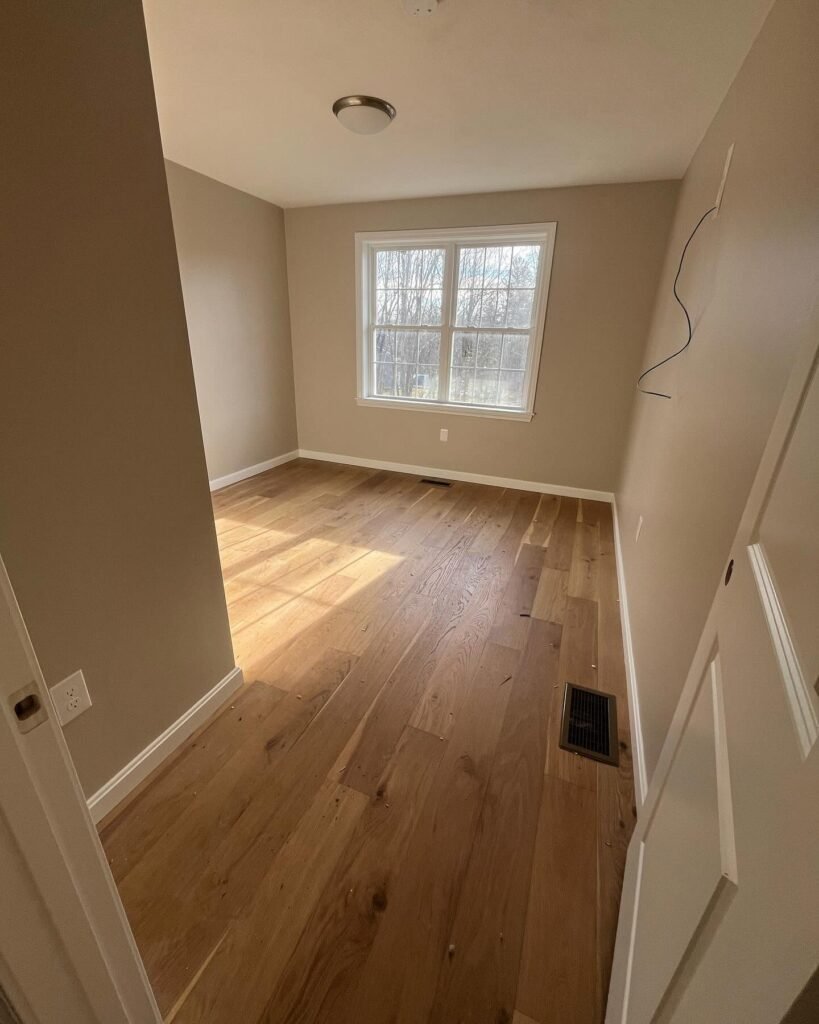
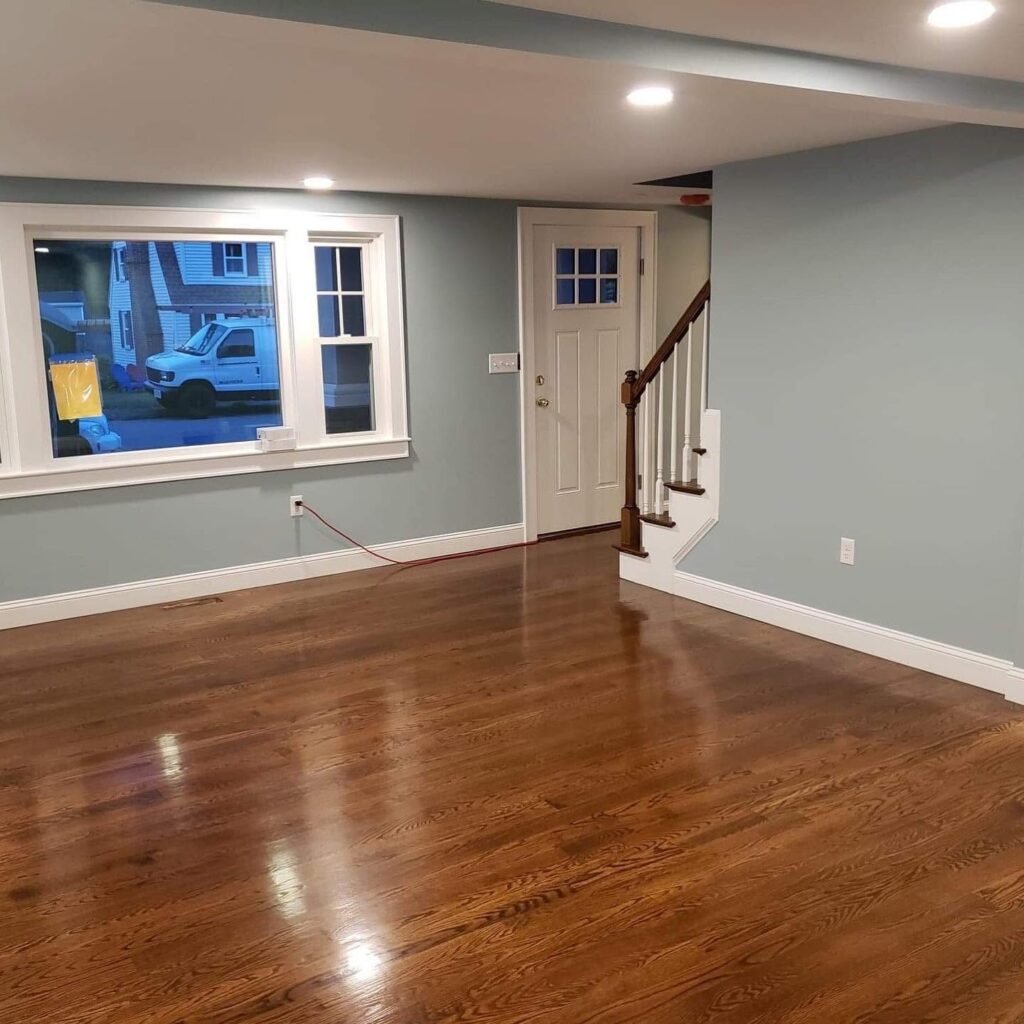
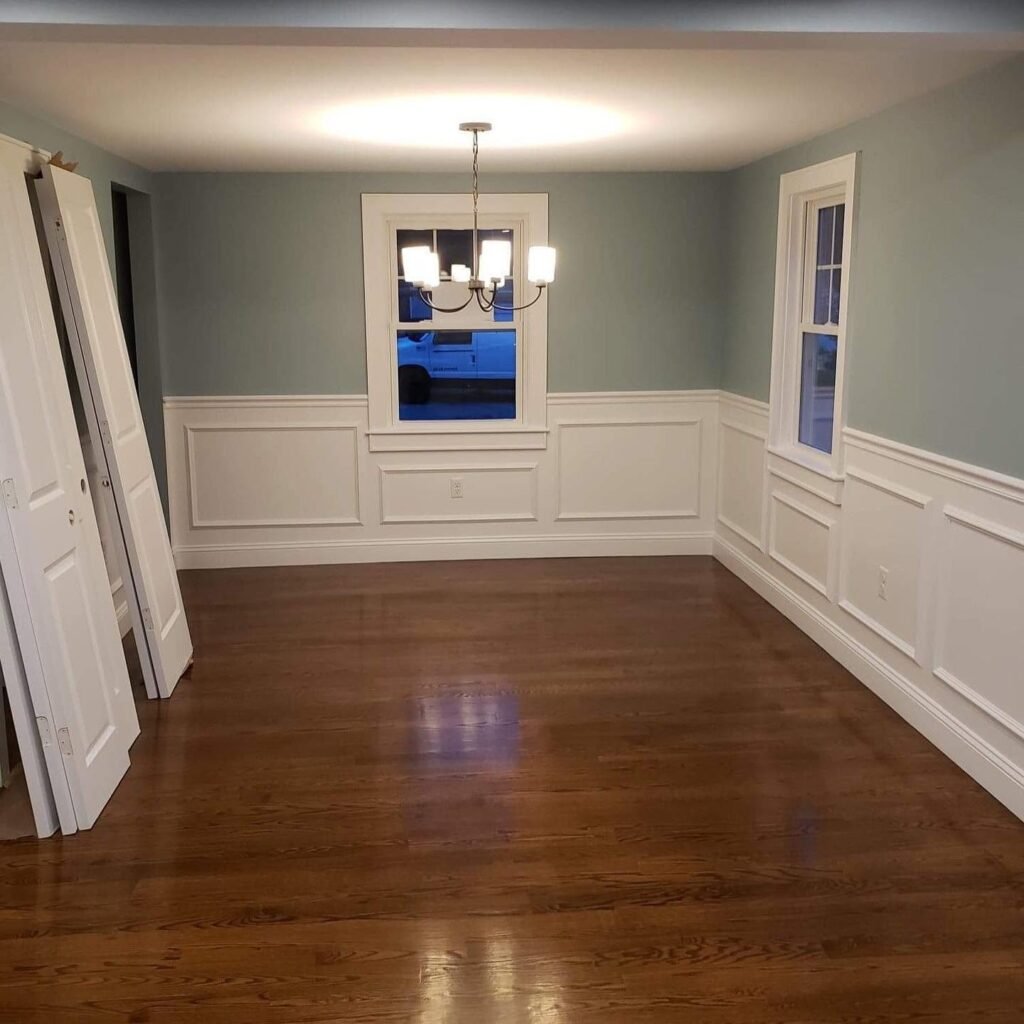
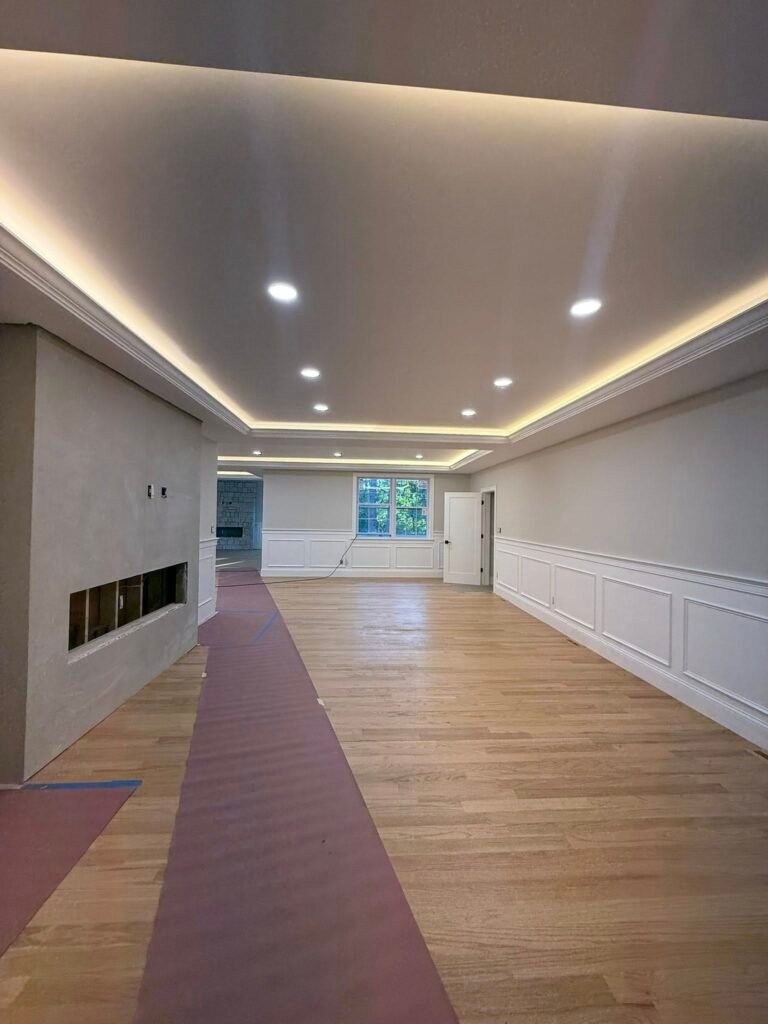
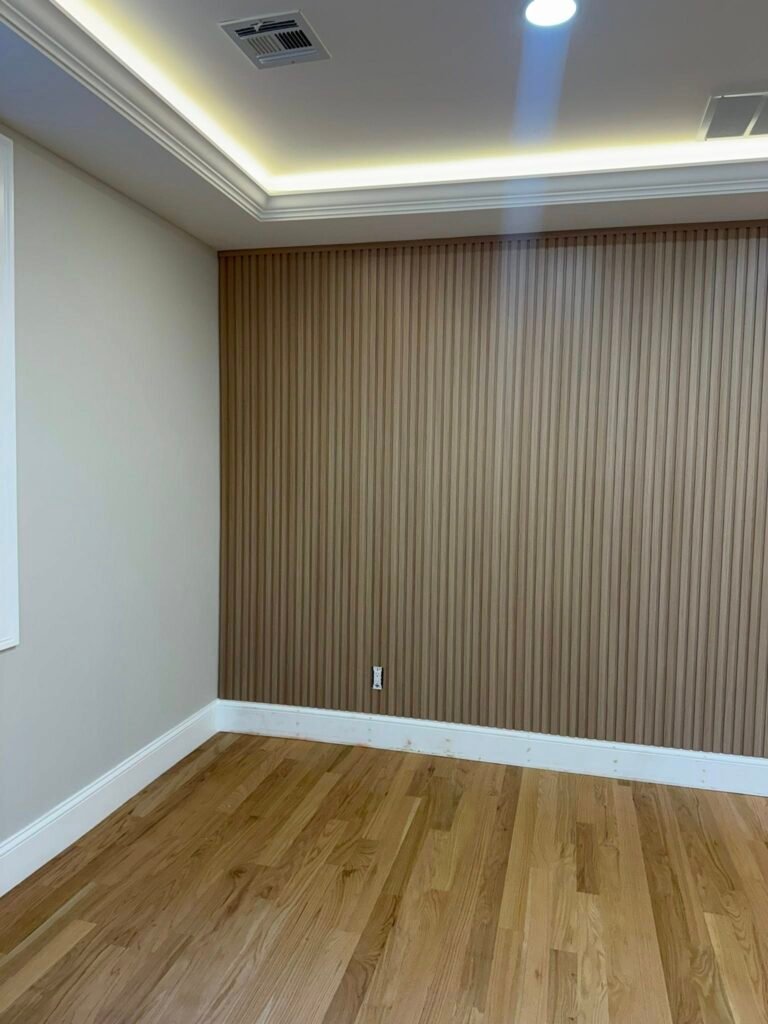
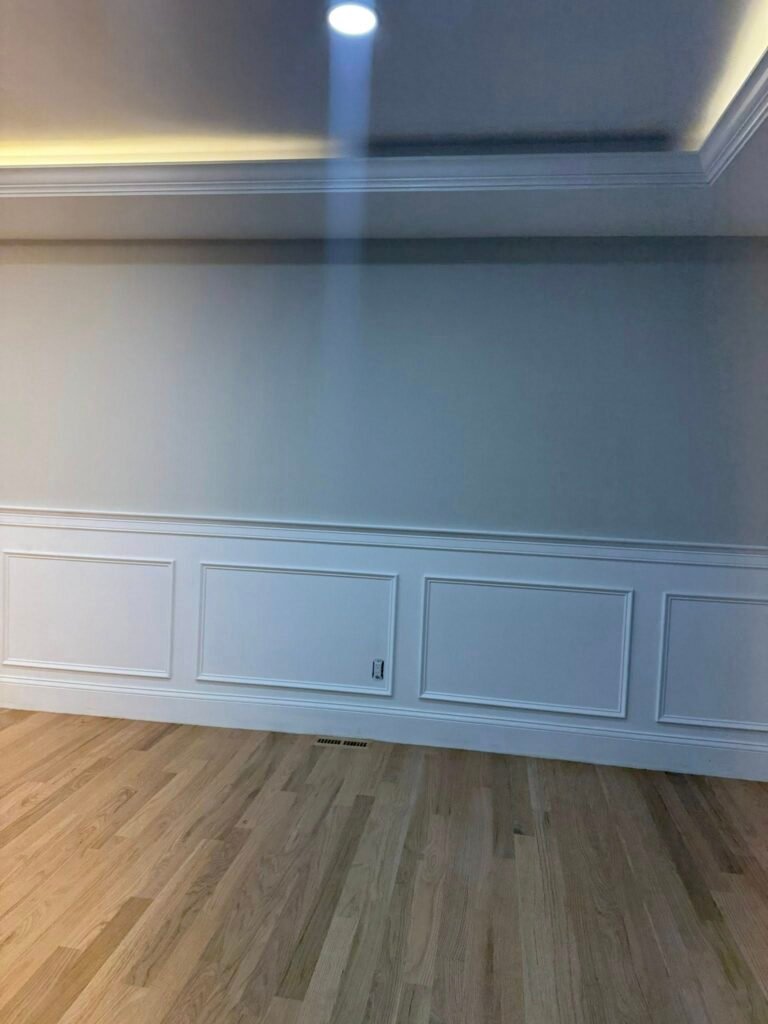
A few real interior remodeling projects completed by our team across Worcester County & Central MA. View our full project gallery →
Explore More
Related Services
Cost Guides
Areas We Serve
Free estimate: (508) 925-0396